


ミャオ・バティックの現在: この工芸品はどのように存続し、変化していくのか
簡単な回答
ミャオ・バティックが生き残っているのは、人々が今でもバティックを教え、作り、身に着け、家庭で使用し、手作りの藍染織物アートとして購入しているからです。プロセスが目に見えるものであれば、工芸品は生き続け、職人は本物の手作りの仕事から収入を得られます。
伝統工芸は遠くから賞賛されるだけでは存続しません。人々が作り続け、若い作り手が学び、完成した作品が現代の生活に定着することで、それらは生き残るのです。
ガイドセクション

なぜミャオ・バティックは生き残ったのでしょうか?
ミャオ・バティックが生き残ったのは、それが単なる装飾的な技法ではなかったからです。それは衣服、家族の知識、村の生活、女性の仕事、地元のアイデンティティ、そして有用な織物を作る必要性と結びついていました。ワックスレジストのプロセスは家庭で教えられ、世代を超えて繰り返すことができます。
ユネスコは伝統的な職人技を無形文化遺産の最も具体的な形態の1つと説明していますが、焦点は物体だけにあるわけではありません。オブジェクトの背後にある知識とスキルも同様に重要です。その考えはミャオ・バティックによく当てはまります。布も重要ですが、ワックスの描き方を知っている手も重要です。
この船を存続させることが難しいのはなぜですか?
課題は時間です。手作りのバティックはゆっくりです。職人は、生地を準備し、ワックスを熱し、模様を描き、藍で染め、ワックスを取り除き、すすぎ、乾燥し、織物を仕上げなければなりません。プリントされた生地は、パターンをすぐに模倣することができます。手作りのバティックには、忍耐と練習、そして違いを理解する購入者が必要です。
| 機体にかかるプレッシャー | 何が変わるのか | 何が役立つのか |
|---|---|---|
| 迅速な製造 | 印刷されたパターンはより安く、より速くなります。 | 手作りのワックスレジスト作業についての明確な教育。 |
| 村を離れる若者たち | 古い作成者に近づき続ける学習者は少なくなる可能性があります。 | ワークショップ、実習、職人への公正な収入。 |
| 観光客向けの簡素化 | モチーフは一般的なお土産になる可能性があります。 | 地域、プロセス、シンボルについてのより良いストーリーテリング。 |
| 購入者の認知度が低い | 顧客は、手作り品の価格がなぜ高くなるのかわからないかもしれません。 | 並列ガイド、詳細写真、正直な製品説明。 |
ワックスナイフはまだ中心にあります
ミャオ・バティックがこれほど特徴的なラインを持っている理由の 1 つは、ワックス ナイフです。このツールは溶けたワックスを保持し、それを布の上に放出し、職人が染色前に模様を描くことができます。ワックスは覆われた領域へのインディゴの侵入をブロックするため、ワックスを取り除くと最終的なデザインが現れます。

ツール自体を理解したい場合は、お読みください。ミャオ・バティック道具とは何ですか?。初心者向けのプロセスが必要な場合は、を参照してください。ミャオ・バティック用バティックワックスナイフの使い方.
教えることでプロセスが生き続ける
人々が実際の環境でそれを学ぶことができれば、工芸品は存続します。ミャオ族のろうけつ染めでは、ワックスがどのように熱されるか、手の動き、線と線の間のスペース、染浴の中で布がどのように変化するかなどを観察することから学びが始まります。
正式なワークショップも役立ちますが、バティックには通常の繰り返しも必要です。人は、ラインが失敗したり、固まったり、壊れたり、にじんだりすることによってワックスのコントロールを学びます。この種の知識は、印刷されたパターンや短いビデオで置き換えるのは困難です。

現代のバイヤーが作るものを変える
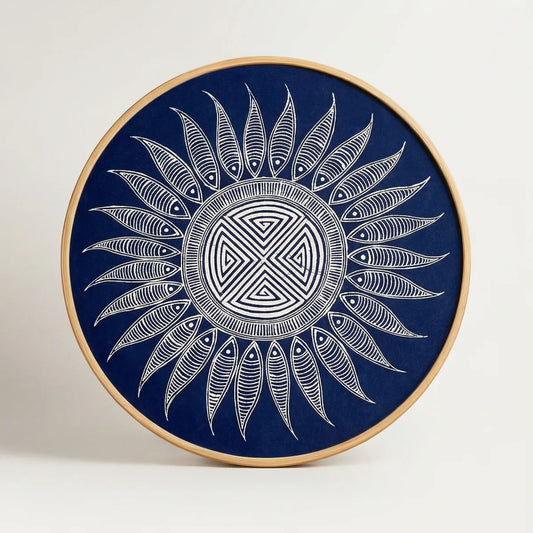
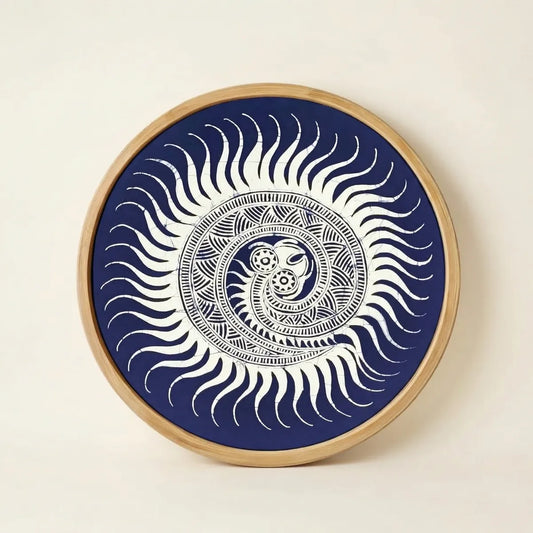
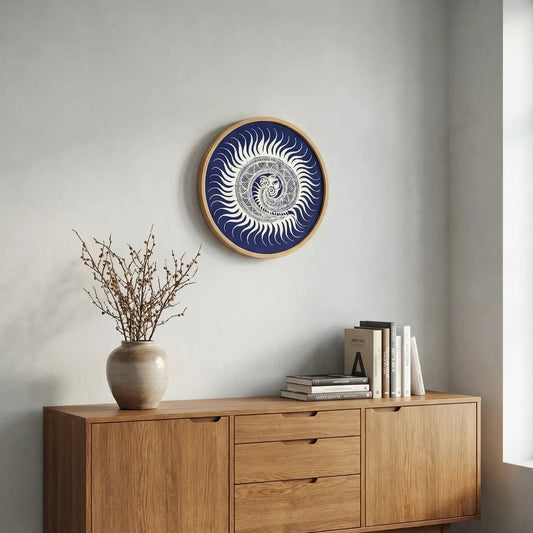
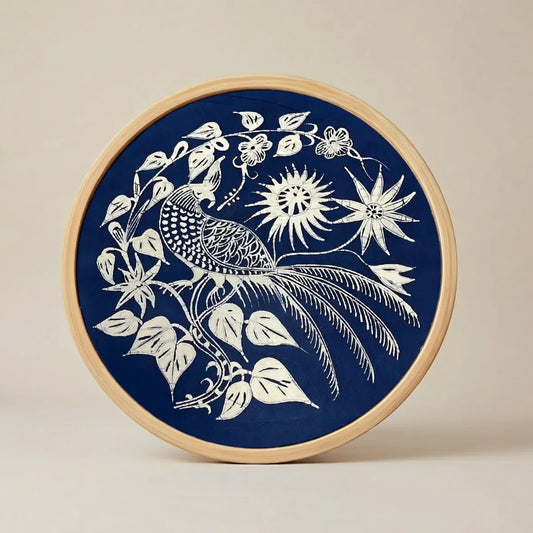
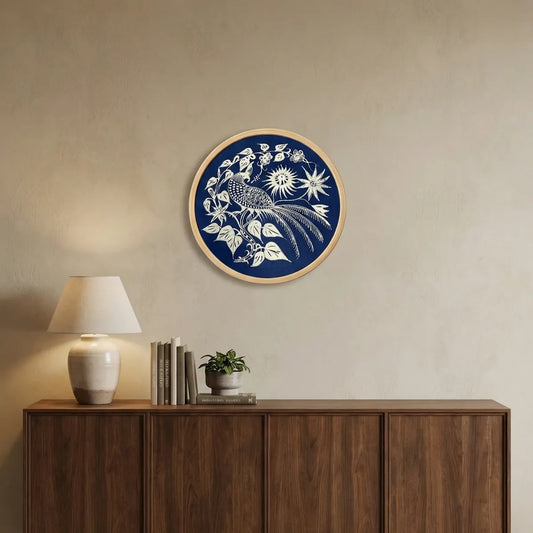
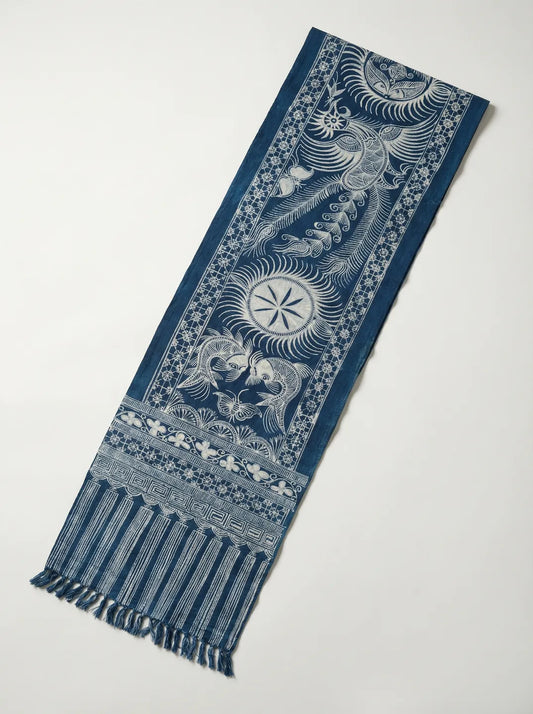
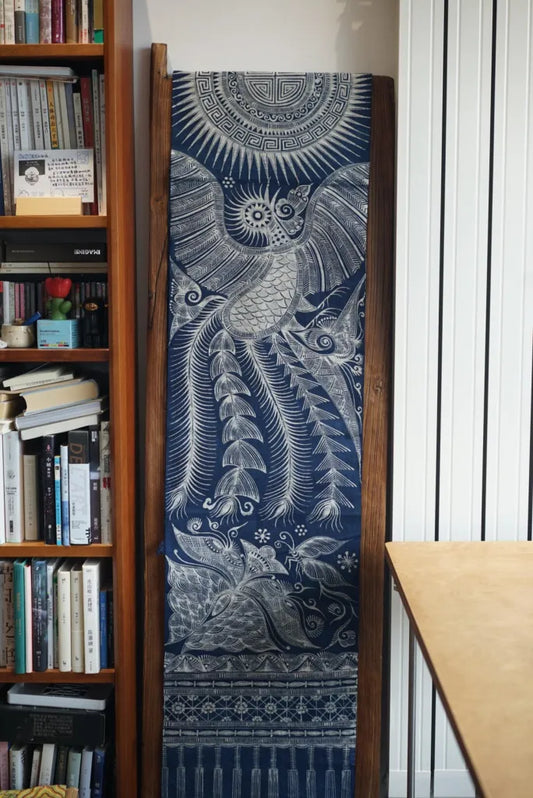
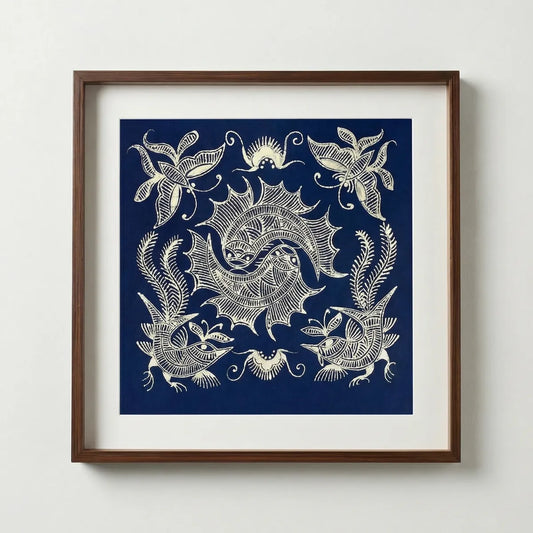
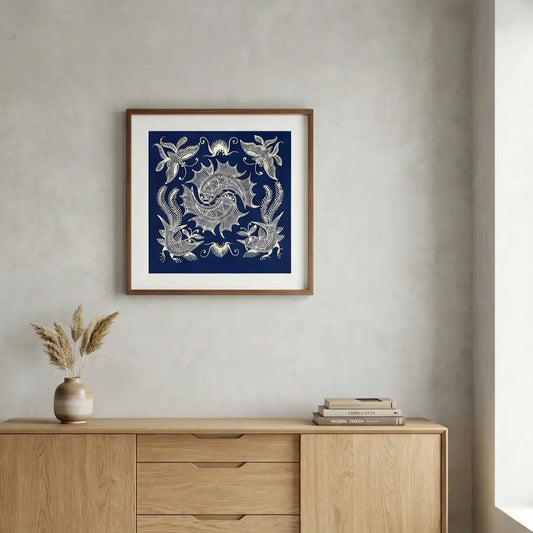
現在、ミャオ・バティックは、壁掛け、テーブルランナー、額装されたテキスタイル、バッグ、衣類のパネル、小さな装飾品などに使われています。その変化は必ずしも問題ではありません。生きている工芸品は、プロセスと文化的背景が消去されない限り、新しい形式に移行することができます。
より強力なモダン作品は、通常、次の 3 つの点を明確にしています。布地は手作りであり、技法はワックスレジスト藍染めであり、モチーフはランダムな「部族」パターンではなく、実際の視覚的伝統に由来しています。
RunyStore がクラフトをどのようにサポートしているか
RunyStoreは、一般的な青い模様としてではなく、手作りの織物作品としてミャオ・バティックに焦点を当てています。製品ページとガイドでは、蝋引き、藍染め、模様の意味、手作りのバティックとプリント生地の見分け方について説明しています。これは、購入者が何にお金を払っているのか、そしてなぜメーカーの時間が重要なのかを理解するのに役立ちます。
購入ガイドについては、を参照してください。手作りのミャオ・バティックとプリント生地の見分け方そして閲覧してくださいミャオ・バティックコレクション.

購入者は何ができるのでしょうか?
- 素材、プロセス、起源を説明した作品を選択してください。
- ワックスのラインとインディゴ色の自然な変化を探してください。
- 工芸品の名前を付けずに「エスニックスタイル」のみを記載するリストは避けてください。
- お土産としてだけでなく、実際のご家庭でもぜひご活用ください。
- ミャオ・バティックをギフトとして贈るときのストーリーを共有してください。
よくある質問
ミャオ・バティックは今でも手作りされているのでしょうか?
はい、手作りのミャオ・バティックは今でも職人によって蝋引きと藍染めを使って作られています。プリントされたバティック風の生地も存在するので、購入者はプロセスの詳細とクローズアップ写真を確認してください。
手作りのミャオ・バティックはなぜプリント生地よりも高価なのでしょうか?
手作りのバティックは時間と技術がかかります。職人が手作業でロウを引き、生地を染め、ロウを落として仕上げます。プリントされた生地は見た目をより速くコピーします。
現代のミャオ・バティックはまだ本物ですか?
そうかもしれません。信頼性は、メーカー、プロセス、素材、プレゼンテーションの誠実さに依存します。本物のワックスレジストバティックを使用し、工芸品の起源を尊重していれば、現代の壁掛けも本物でありえます。
ミャオ・バティック職人をサポートするにはどうすればよいですか?
工芸品に明確な名前を付け、プロセスの詳細を示し、背景を提供し、手作りの違いを欠陥ではなく作品の一部として扱う販売者から購入してください。
タグ: