

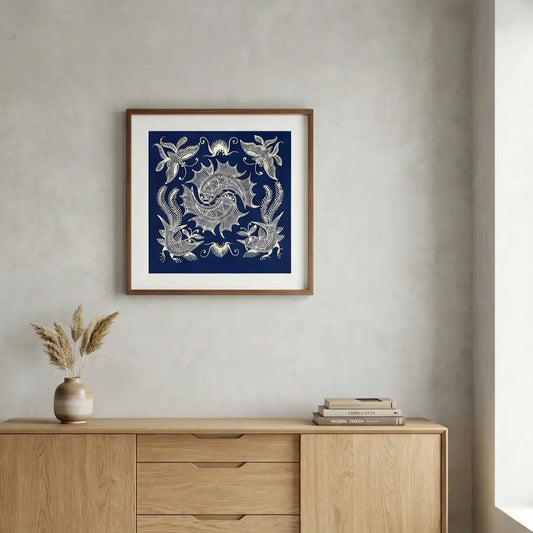

Miao Batik hoy: cómo sobrevive y cambia la artesanía
respuesta rapida
Miao batik sobrevive porque la gente todavía lo enseña, lo fabrica, lo usa, lo usa en los hogares y lo compra como arte textil hecho a mano en índigo. La artesanía se mantiene viva cuando el proceso es visible y los artesanos pueden ganar dinero con el trabajo hecho a mano real.
La artesanía tradicional no sobrevive siendo admirada desde lejos. Sobreviven cuando la gente sigue haciéndolos, cuando los creadores más jóvenes pueden aprenderlos y cuando el trabajo terminado tiene un lugar en la vida moderna.
Secciones de guía

¿Por qué sobrevivió el batik Miao?
El Miao batik sobrevivió porque nunca fue sólo una técnica decorativa. Estaba relacionado con la vestimenta, el conocimiento familiar, la vida del pueblo, el trabajo de las mujeres, la identidad local y la necesidad de fabricar textiles útiles. El proceso de resistencia a la cera podría enseñarse en casa y repetirse de generación en generación.
La UNESCO describe la artesanía tradicional como una de las formas más tangibles del patrimonio cultural inmaterial, pero la atención no se centra sólo en el objeto. El conocimiento y la habilidad detrás del objeto son igualmente importantes. Esa idea encaja bien con Miao batik: la tela importa, pero la mano que sabe dibujar cera también importa.
¿Qué hace que sea difícil mantener viva la nave?
El desafío es el tiempo. El batik hecho a mano es lento. El artesano tiene que preparar la tela, calentar cera, dibujar patrones, teñir con añil, quitar la cera, enjuagar, secar y terminar el textil. Una tela estampada puede imitar un patrón rápidamente. El batik hecho a mano requiere paciencia, práctica y un comprador que comprenda la diferencia.
| Presión sobre la embarcación | que cambia | que ayuda |
|---|---|---|
| Fabricación rápida | Los patrones impresos son más baratos y rápidos. | Educación clara sobre el trabajo artesanal resistente a la cera. |
| Jóvenes que abandonan los pueblos | Es posible que menos estudiantes permanezcan cerca de los creadores de mayor edad. | Talleres, aprendizajes e ingresos justos para artesanos. |
| Simplificación del estilo turístico | Los motivos pueden convertirse en souvenirs genéricos. | Mejor narración sobre la región, el proceso y los símbolos. |
| Baja conciencia del comprador | Es posible que los clientes no sepan por qué las piezas hechas a mano cuestan más. | Guías detalladas, fotografías detalladas y descripciones honestas de productos. |
El cuchillo de cera sigue siendo central.
El cuchillo de cera es una de las razones por las que Miao batik tiene una línea tan reconocible. La herramienta retiene la cera derretida y la libera sobre la tela, lo que permite al artesano dibujar patrones antes de teñirla. La cera impide que el índigo entre en las áreas cubiertas, por lo que el diseño final aparece cuando se retira la cera.

Si desea comprender la herramienta en sí, lea¿Qué es una herramienta Miao batik?. Si desea un proceso para principiantes, consulteCómo usar un cuchillo de cera batik para Miao batik.
La enseñanza mantiene vivo el proceso.
Un oficio sobrevive cuando la gente puede aprenderlo en un entorno real. En Miao batik, el aprendizaje a menudo comienza observando: cómo se calienta la cera, cómo se mueve la mano, cuánto espacio queda entre las líneas y cómo cambia la tela en el baño de tinte.
Los talleres formales pueden ayudar, pero el batik también necesita una repetición ordinaria. Una persona aprende a controlar la cera haciendo líneas que fallan, se agrupan, se rompen o sangran. Ese tipo de conocimiento es difícil de reemplazar con un patrón impreso o un video corto.

Los compradores modernos cambian lo que se hace
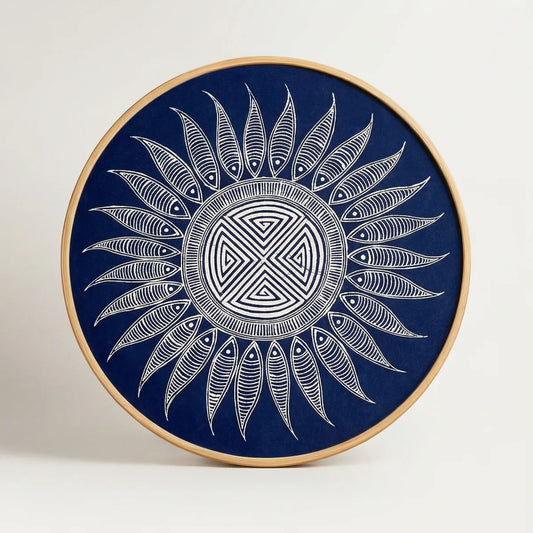
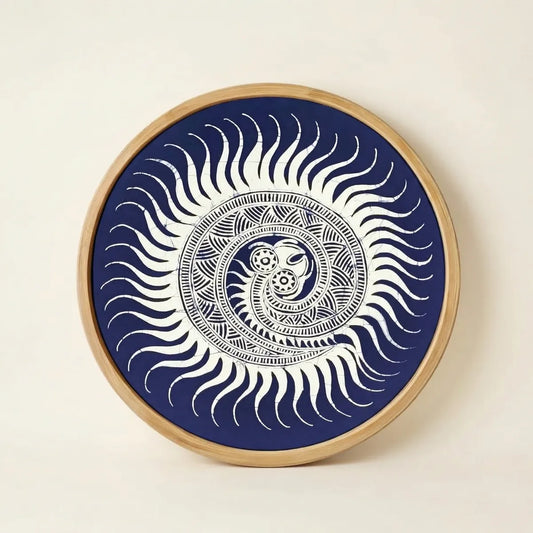
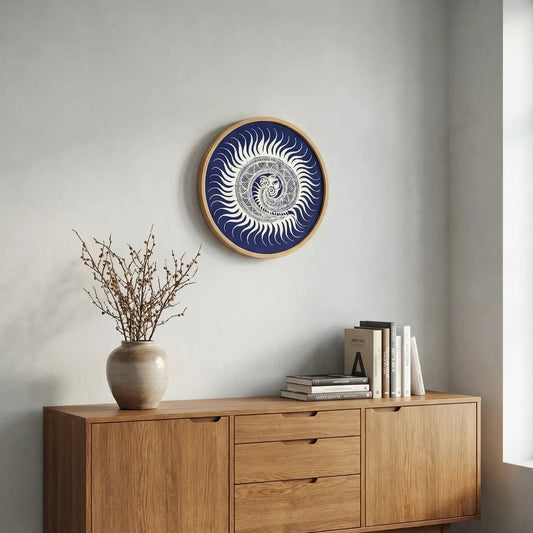
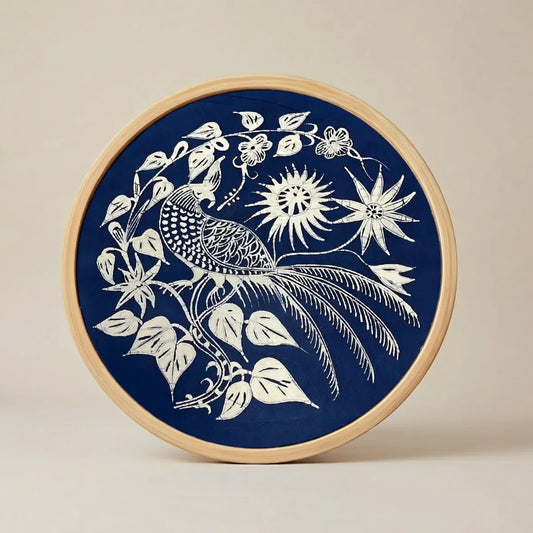
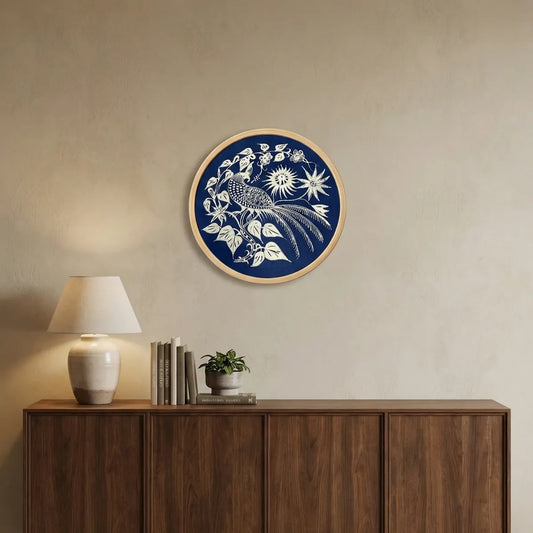
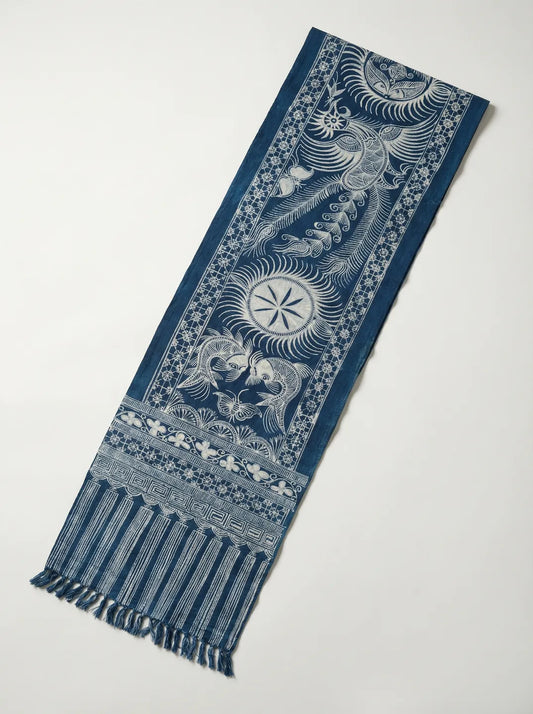
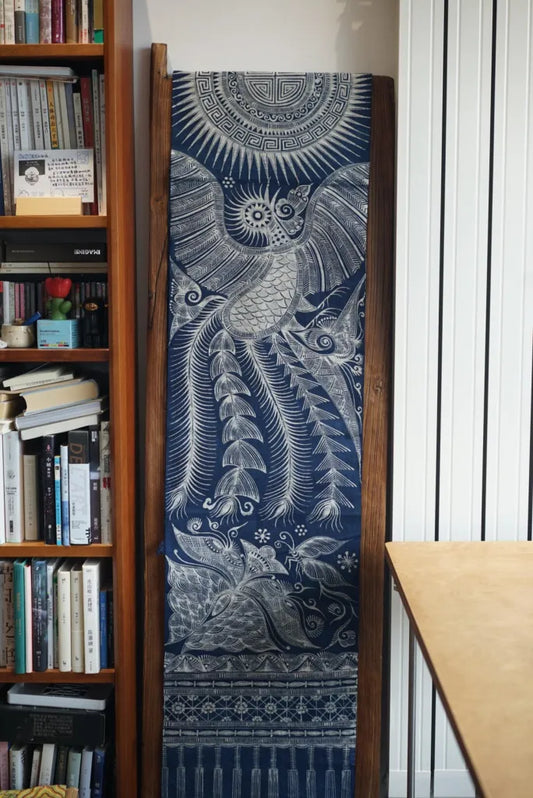
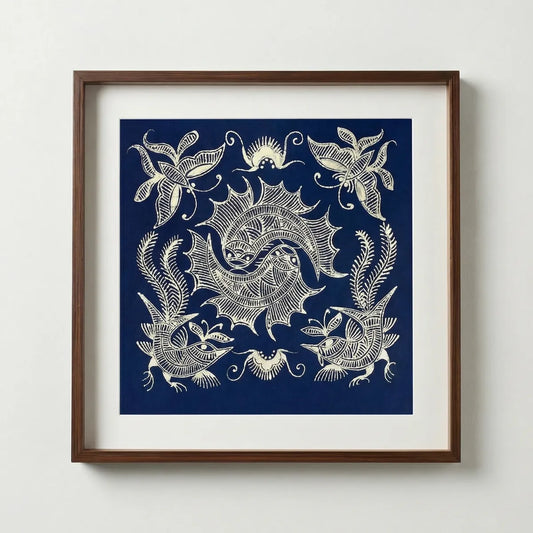
Hoy en día, Miao batik aparece en tapices de pared, caminos de mesa, textiles enmarcados, bolsos, paneles de ropa y piezas decorativas más pequeñas. Ese cambio no es necesariamente un problema. Un oficio vivo puede adoptar nuevos formatos siempre que no se borren el proceso y el contexto cultural.
Las piezas modernas más fuertes suelen dejar tres cosas claras: la tela está hecha a mano, la técnica es el teñido índigo resistente a la cera y el motivo proviene de una tradición visual real en lugar de un patrón "tribal" aleatorio.
Cómo apoya RunyStore el oficio
RunyStore se centra en el batik Miao como trabajo textil hecho a mano, no como un patrón azul genérico. Las páginas de productos y las guías explican el dibujo con cera, el teñido de índigo, el significado de los patrones y cómo distinguir el batik hecho a mano de la tela estampada. Esto ayuda a los compradores a comprender por qué están pagando y por qué es importante el tiempo del fabricante.
Para obtener orientación sobre compras, consulteCómo distinguir el batik Miao hecho a mano de la tela estampaday navegar por elcolección batik Miao.

¿Qué pueden hacer los compradores?
- Elija piezas que expliquen el material, el proceso y el origen.
- Busque variaciones naturales en las líneas de cera y el color índigo.
- Evite listados que solo digan "estilo étnico" sin nombrar el oficio.
- Utilice el textil en un hogar real, no sólo como recuerdo.
- Comparte la historia cuando regalaste batik a Miao.
Preguntas frecuentes
¿Miao batik todavía se fabrica a mano?
Sí, el batik Miao hecho a mano todavía lo elaboran artesanos utilizando dibujo con cera y teñido índigo. También existe tela estampada estilo batik, por lo que los compradores deben verificar los detalles del proceso y las fotografías de primer plano.
¿Por qué el Miao batik hecho a mano es más caro que la tela estampada?
El batik hecho a mano requiere más tiempo y habilidad. El artesano extrae cera, tiñe la tela, quita la cera y termina el textil a mano. La tela estampada copia una apariencia más rápidamente.
¿Sigue siendo auténtico el batik Miao moderno?
Puede ser. La autenticidad depende del fabricante, el proceso, el material y la honestidad de la presentación. Un tapiz de pared moderno aún puede ser auténtico si utiliza batik real resistente a la cera y respeta el origen de la artesanía.
¿Cómo puedo apoyar a los artesanos de batik Miao?
Compre a vendedores que nombren claramente el oficio, muestren los detalles del proceso, proporcionen contexto y traten la variación hecha a mano como parte del trabajo y no como un defecto.
Etiquetas:
Artículo anterior
Ideas de estilo de camino de mesa Miao Batik para rituales de té
Artículo siguiente
Regalos culturales significativos: ideas hechas a mano con una historia