

意味のある文化的な贈り物: ストーリーのある手作りのアイデア
簡単な回答
意味のある文化的贈り物とは、誰がそれを作ったのか、それがどのような伝統に由来するのか、なぜその物体が一般的ではなく個人的なものであると感じるのかなど、明確なストーリーを伴う贈り物です。手作りの装飾品、テキスタイル、ジュエリーが好きな人にとって、ミャオ・バティックは特にぴったりです。それぞれの作品に、ワックスで描かれた線、藍染め、自然の小さな変化を通して職人の手が表れているからです。
「文化的な贈り物」または「費用だけではなく文化的な意味を持つ贈り物」をお探しの場合、最も安全な選択は、最も華やかな品物ではありません。それは、美術館のラベルを横に置くことなく、受け取り手が理解し、使用し、話すことができる作品です。

文化的な贈り物が有意義に感じられるのはなぜですか?
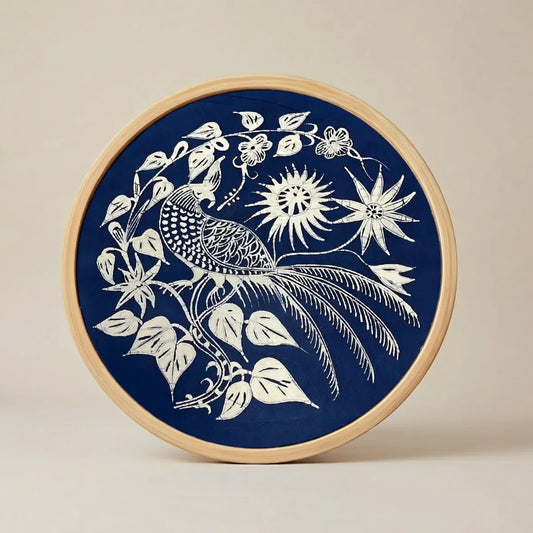
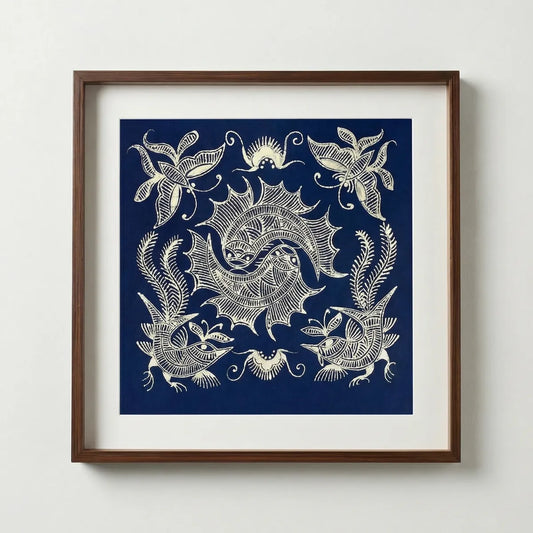
文化的な贈り物は、その物品に目に見える工芸品、特定の起源、そして受け取り手が共感できるストーリーがある場合に意味があると感じられます。手作りのミャオ・バティックはその良い例です。布を染める前に熱蝋で模様を描くため、最終的な青と白のデザインは技術と伝統の両方に結びついています。
多くの「伝統にインスピレーションを得た」贈り物は文化の外観を借りているだけであるため、これは重要です。より強力な贈り物は、受け取り手にその背後にある技術を理解する方法を与えます。オブジェクトは、これがどこから来たのか、どのように作られたのか、そしてなぜそれが重要なのかなど、いくつかの単純な質問に答える必要があります。
受取人別の優れた文化的なギフトのアイデア
| 受信者 | ギフトのアイデア | なぜ効果があるのか |
|---|---|---|
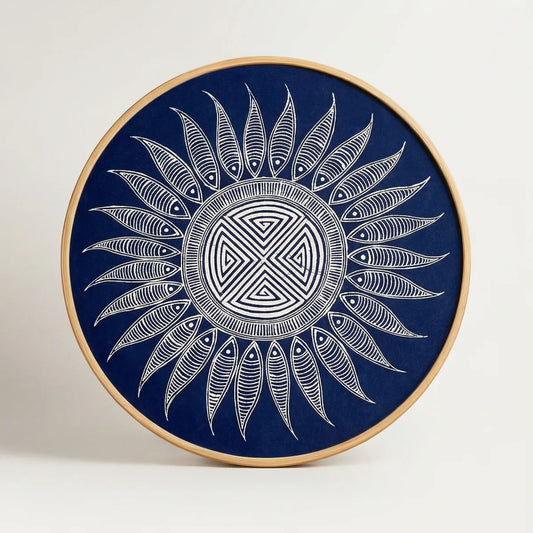
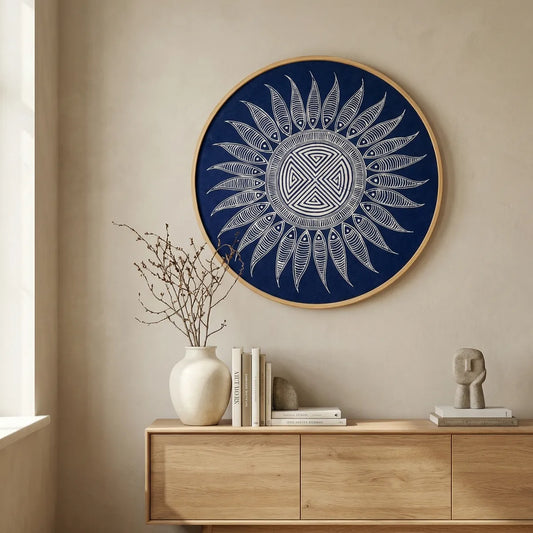
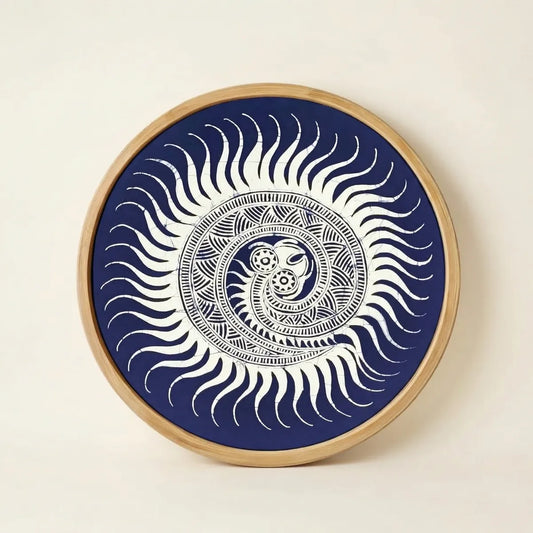
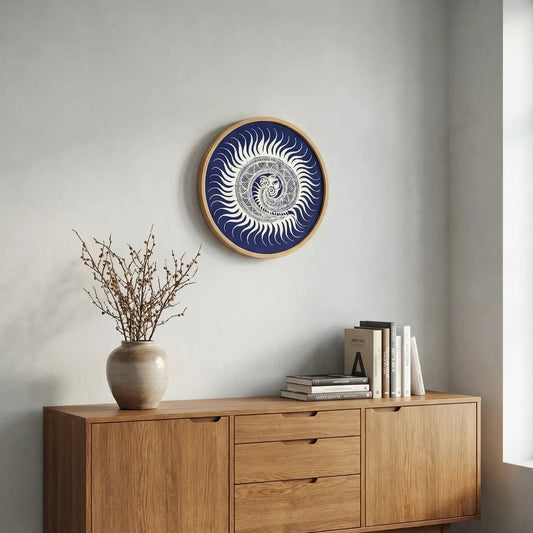
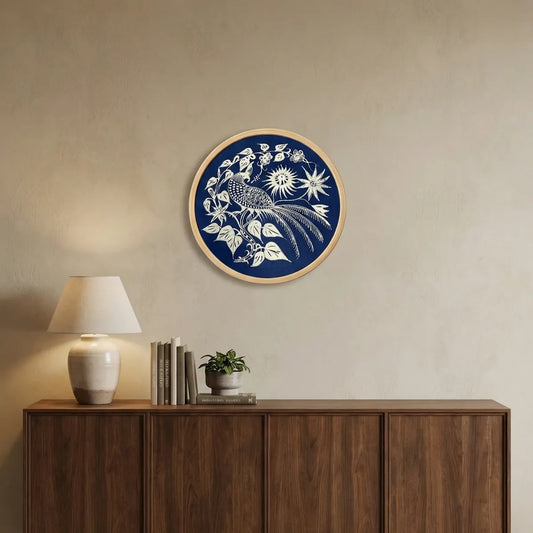
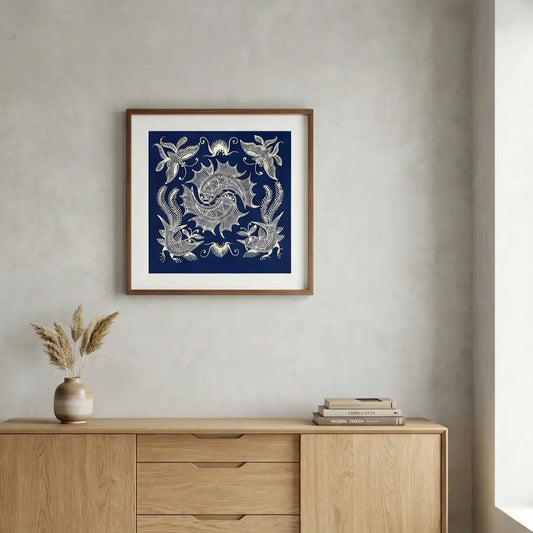
| 新しい家を飾る人 | 額入りミャオ・バティック ウォール アート | 多くのスペースを必要とせずに、質感と手作りのストーリーを追加します。 |
| ハンドメイドのアクセサリーを身につけている人 | ミャオ族のシルバーまたはバティックのジュエリー | パーソナルな雰囲気があり、飾るために保存するのではなく、頻繁に着用できます。 |
| 実用的な贈り物が好きな人 | バティックトートバッグまたはテキスタイルアクセサリー | 引き出しにしまっておくのではなく、クラフトを日常生活に取り入れます。 |
| 文化や旅行に興味がある人 | ショートストーリーカード付きテキスタイル | ストーリーによってギフトに背景が与えられ、思い出しやすくなります。 |
ミャオ・バティックが意味のある贈り物に適している理由
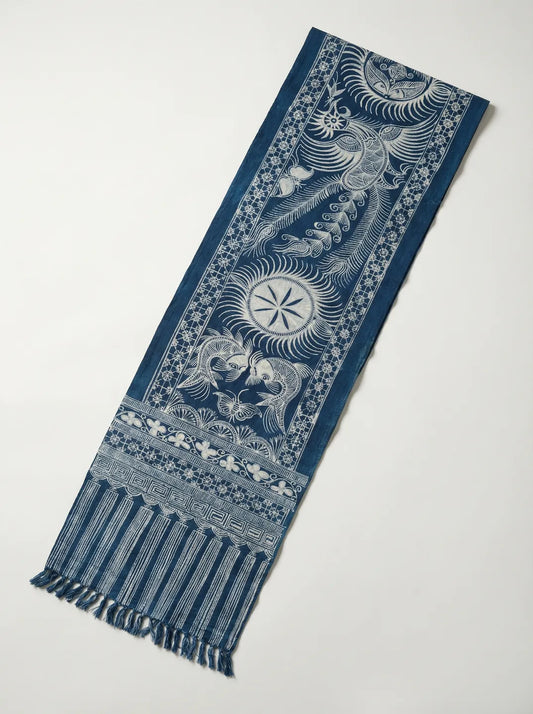
ミャオ・バティックは、中国南西部、特に貴州省のミャオ族コミュニティに関連するワックスレジストインディゴ織物の伝統です。職人が熱蝋で模様を描き、生地を藍で染め、蝋を取り除くと白い模様が現れます。プロセスには時間がかかるため、ワックスのラインの小さな違いが完成作品の一部になります。
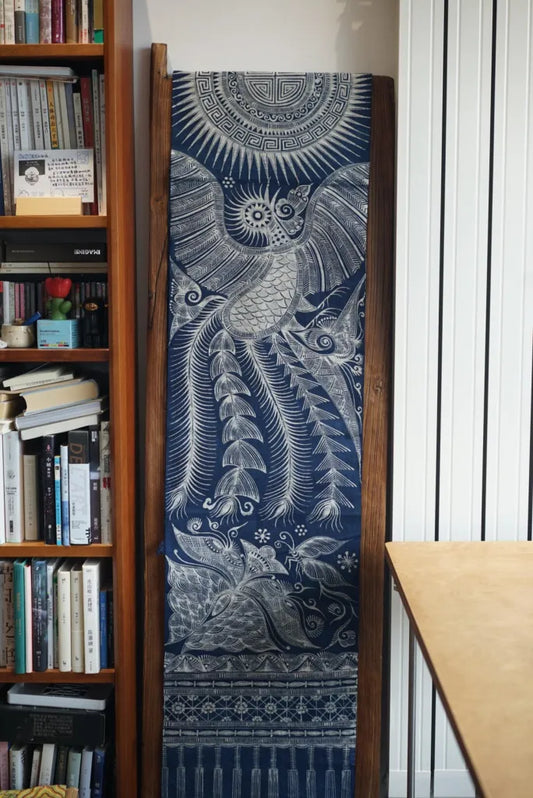
贈り物には手作りの良さが重宝されます。ワックスナイフが止まった場所で広がる線、藍の小さなパチパチ音、動物、植物、移住、家族、保護に関連するモチーフなど、受け取り手に何か特別な気づきを与えます。受取人がこれまでミャオ・バティックについて聞いたことがない場合、贈り物は学習への招待状になります。

推測せずに選ぶ方法
ページ上の最も劇的なオブジェクトではなく、受信者の実際の生活から始めます。大きな壁掛けは、すでにテキスタイルアートが好きな人への強力な贈り物です。小さな額入りの作品は、アパート、オフィス、または最初の文化的な贈り物として安全です。ジュエリーは、その人のスタイルを知っているときに最も効果的に機能します。実用的なギフトを好む人には、トートバッグやテーブルテキスタイルが最適です。
次に、明確な製品ストーリーを探します。有用なリストでは、工芸品、素材、デザインの起源を説明する必要があります。 「エスニック風」「部族柄」とだけ書かれていると、文化的に見えても曖昧な印象を与えてしまうかもしれません。特異性は、オブジェクトが考慮されていると感じさせるものです。
RunyStoreからのギフトアイデア
ご自宅のインテリアギフトとして、まずはこちらからミャオ・バティックの壁アートとテキスタイル。これらの作品は、青と白のワックスレジストのプロセスが一目でわかるため、説明が簡単です。
ウェアラブルなギフトが好きな方へ、ミャオ族のシルバージュエリーより適切にフィットする可能性があります。シルバーのアイテムは、フェスティバルのドレス、家族のアイデンティティ、工芸の伝統と結びついており、同時に現代の服装にも使用できます。
軽い贈り物には、バティックのトートバッグや小さな布製アクセサリーが適しています。それは、日常生活で使用し、賞賛できる手作りのオブジェクトをその人に与えます。

香典返しには何を書くべきか
メモは長くする必要はありません。短い説明は、受け取った人がなぜそのギフトを選んだのかを理解するのに役立ちます。
「これを選んだのは、中国南西部のワックスレジストインディゴ工芸品であるミャオ・バティックで作られているからです。模様は布を染める前に手で描かれているため、それぞれの作品には職人の仕事と若干の違いがあります。」
この種のメモは、一般的な「気に入っていただければ幸いです」よりも効果的です。それは贈り物に始まりを与え、受け取り手に後でストーリーを共有するための言語を与えます。
文化的な説明はどれだけあれば十分ですか?
贈り物を宿題のように感じてはいけません。工芸品の名前、地域、手作りのプロセスなど、1 つまたは 2 つの明確な詳細があれば十分です。受信者がさらに詳しいコンテキストを必要とする場合は、次のようなより深いガイドにリンクします。ミャオズ文化とは何ですか?またはミャオ・バティック:意味、プロセス、シンボル、藍細工.
外部のコンテキストについては、ブリタニカによるミャオ族の概要より広範な民族的および地域的背景を理解するための有用な出発点となります。

よくある質問
何でも持っている人にとって、文化的な贈り物は何でしょうか?
ミャオ・バティック ウォール アート、小さな織物、ミャオ族のシルバー ジュエリーなど、特定の起源を持つ手作りのオブジェを選択してください。これらのギフトは価格ではなく、ストーリー、クラフト、そして選択の背後にある考えが重要です。
ミャオ・バティックは、アジアのテキスタイル アートに初めて触れる人への良い贈り物ですか?
はい、特に作品が展示しやすい、または使いやすい場合はそうです。額装されたバティック、トート、または小さな織物は、受け取った人が完全な文化的背景を知る前であっても、インディゴのコントラストとワックスで描かれたパターンを容易に評価できるため、親しみやすいものです。
プレゼントに説明文を添えたほうがいいでしょうか?
はい。短いメモが贈り物をより強力なものにします。ミャオ族のろうけつ染めは藍染めの前に布に熱した蝋を描いて作られることに触れ、受け取った人がその作品を喜んでくれると思った理由を説明してください。
選ぶための簡単なルール
贈り物に意味を持たせるためにストーリーが必要な場合は、そのストーリーが伝わりやすいものにしてください。最高の文化的な贈り物は、受け取り手に漠然と「エキゾチック」なものを賞賛することを要求しません。これらは、本物の手によって作られた本物のオブジェクトを、親密に感じるのに十分なコンテキストとともに提供します。
タグ: