
Miao lusheng dance performance during a cultural festival in Guizhou

Miao Culture in China: Festivals, Crafts, and Village Traditions

Runy Luo
0 Comments

Quick answer

Miao culture in China is often recognized through festival dress, silver ornaments, batik, embroidery, lusheng music, dance, village celebrations, and oral stories. These traditions vary by region, especially across southwest China.

If you are looking for a broad introduction to Miao culture in China, it helps to start with the traditions people can actually see: festivals, clothing, silver jewelry, batik, embroidery, music, and village life. Those are usually the first things that catch a visitor's eye, and they are also the easiest way into a much larger cultural world.

This article focuses on that visible side of Miao culture. It is not a deep symbol guide and it is not a history timeline. It is a practical overview for readers who want to understand why Miao festivals and handmade crafts feel so distinctive, especially in Guizhou and other parts of southwest China.

Miao women drawing and preparing batik cloth by hand
For many visitors, handmade batik is the first clear window into Miao visual culture.

Quick answer: Miao culture in China is often recognized through festival customs, silverwork, batik, embroidery, lusheng music, and mountain village traditions. These are not isolated crafts. They are part of how community memory, identity, and local history continue in daily life.

Who the Miao are, and why regional variety matters

The term "Miao" covers multiple communities in China, and that is worth knowing at the start. Customs, dress, language, and craft styles can vary by region. So when people say "Miao culture," they are describing a broad family of traditions rather than one single uniform style.

That is one reason broad introductions can feel vague if they are not grounded in visible examples. A better way to learn is to look at actual practices: what people wear, what they make, what instruments they play, what festivals they keep, and what motifs appear again and again in cloth and silver.

If you want a general background on the Miao as a people, Britannica's overview of the Miao is a useful starting point. If you want the craft-centered version, our guide to Miaozu culture, batik, symbols, and traditions is the best internal next step.

Festivals are one of the clearest entry points

Many readers first connect with Miao culture through festival images. The clothing is striking, the silver catches the light, and the music looks unlike anything they have seen before. That first impression is not superficial. Festival life really does bring several parts of the culture together at once.

The Miao New Year, for example, is tied to local agricultural rhythms rather than one fixed date used everywhere. Preparations often involve special clothing, silver ornaments, music, food, and family gatherings. In public celebrations, what visitors notice first is usually movement: people walking, dancing, playing instruments, and wearing textile traditions rather than putting them behind glass.

Miao New Year celebration with silver jewelry and lusheng dance
Festival scenes make it easier to see how clothing, silver, music, and public ritual work together.

The lusheng dance matters for the same reason. It is more than performance. It shows how music, courtship, group identity, and seasonal celebration can sit in one shared cultural form.

Miao lusheng dance performance during a cultural festival
The lusheng dance is one of the most recognizable public expressions of Miao festival culture.

Silver, batik, and embroidery are not separate from the culture

Readers sometimes treat Miao silver jewelry, Miao batik, and Miao embroidery as three separate craft categories. In practice, they are easier to understand together. They share symbolic language, family transmission, and a strong connection to dress and ceremonial life.

Miao silver is often the most immediately visible part because it is reflective, sculptural, and dramatic in photos. But once you look past the shine, the same question appears as it does in batik and embroidery: what patterns keep returning, and what are they doing there?

Handmade Miao silver bracelet with detailed raised motifs
Miao silver stands out visually, but it makes the most sense when read alongside dress, ritual use, and other handmade arts.

If you want to go deeper into those areas, here are the most useful guides to open next:

Batik is one of the strongest visual languages inside Miao culture

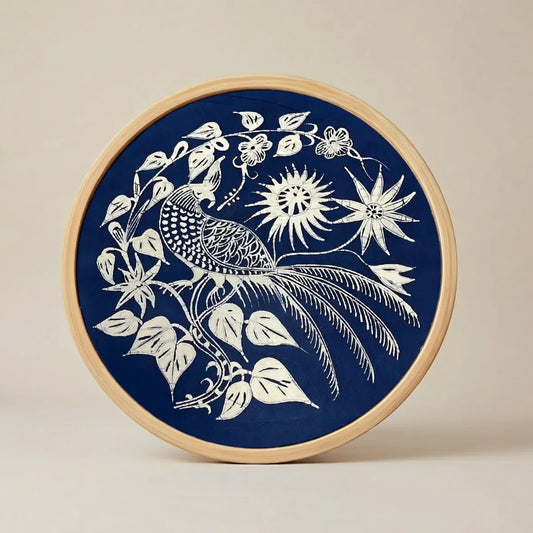
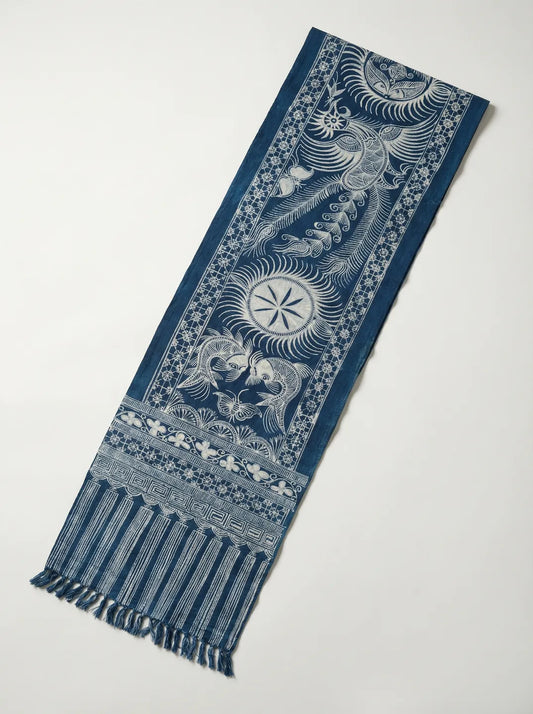
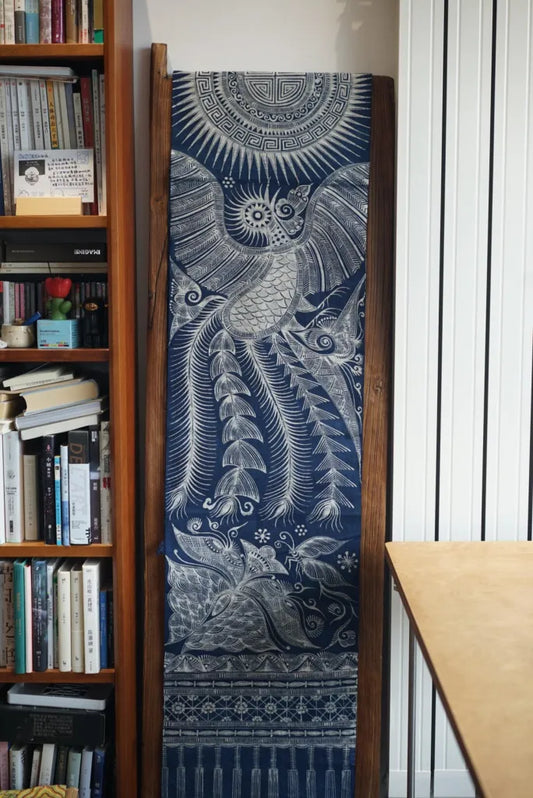
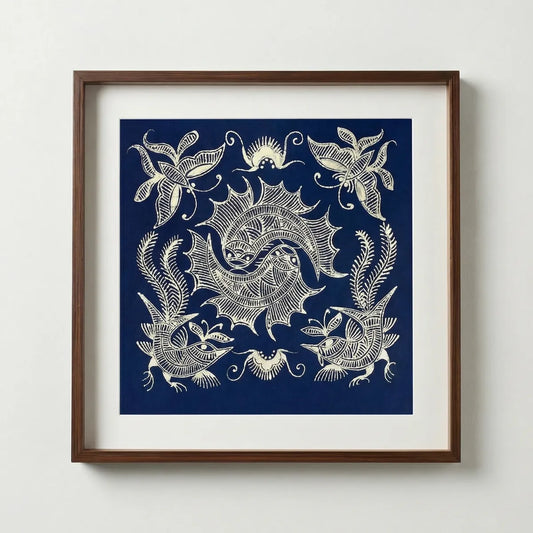
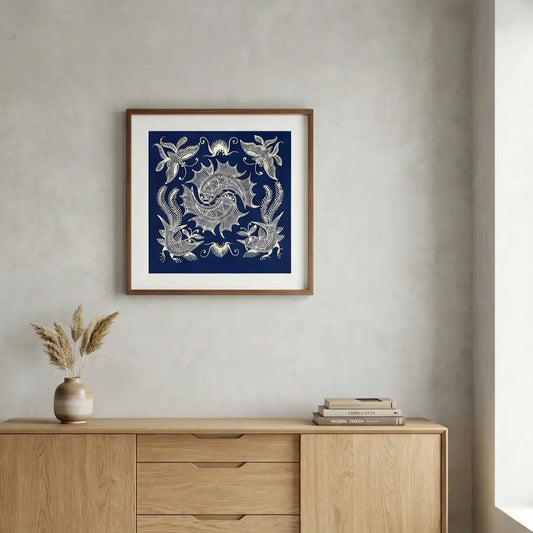
Miao batik is easy to recognize because of the indigo-and-white contrast, but what makes it memorable is the drawn structure. Wax lines create the image before dyeing, which means the cloth keeps the motion of the maker's hand. You can usually feel that immediately when you compare handmade work with flat printed imitation.

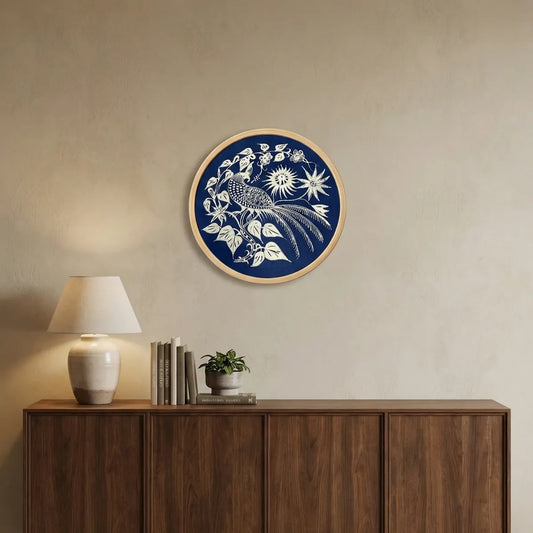
Handmade Miao batik fabric with white wax-resist patterns on indigo cloth
Miao batik is not only decorative. It is one of the clearest places where story, symbol, and technique meet.

UNESCO's page for the Zhijindong Cave UNESCO Global Geopark even notes regionally recognized traditions including Miao batik, Miao hairstyles, and musical practices in Guizhou. That matters because it shows batik is understood as part of a living local cultural system, more than a textile product.

If your interest started with cloth rather than festivals, these articles will help you move from broad culture into practical reading:

Village life gives the crafts their setting

Photos of Miao villages are popular because the architecture is photogenic, but the villages matter for a more basic reason. They show the setting in which these traditions still make sense. Clothing, instruments, craft work, celebration, and family memory do not float separately. They live in actual places.

Traditional Miao village in Guizhou with wooden stilt houses
Village architecture helps explain why Miao craft traditions still feel grounded instead of staged.

That is also why a broad article like this should stay broad. If you want to understand specific symbols, tools, or techniques, you have to zoom in. If you want to understand why those details matter at all, you have to zoom back out and see the festivals, clothing, homes, and social life around them.

Where to go next

Use this article as a cultural overview. Then go narrower based on what caught your attention first:

FAQ

Is Miao culture in China mainly about batik?

No. Batik is important, but it is only one part of a larger cultural world that also includes silverwork, embroidery, music, festivals, and village traditions.

Why do festival photos show so much silver jewelry?

Because silver is strongly tied to dress, ceremony, visibility, and inherited craft practice. It is one of the quickest ways people recognize Miao culture from an image.

What is the best article to read after this one?

If you want the broader craft-and-symbol introduction, read What Is Miaozu Culture?. If you want a more specific craft path, choose batik, silver, or embroidery next.

Cultural form What people notice Why it matters
Silver Large ornaments and headpieces Ceremony, identity, display
Batik Indigo wax-resist textiles Pattern memory and hand skill
Embroidery Dense color and stitching Regional identity and family work
Lusheng dance Music and group movement Public celebration

Frequently asked questions

Where do many Miao people live in China?

Many communities live in Guizhou, Hunan, Yunnan, Sichuan, Guangxi, and nearby regions.

What is Miao culture known for?

It is widely known for festivals, silver jewelry, embroidery, batik, lusheng music, and village traditions.

Is Miao culture the same everywhere?

No. Language, clothing, motifs, and customs vary by region and community.

Leave a Comment