Quick answer
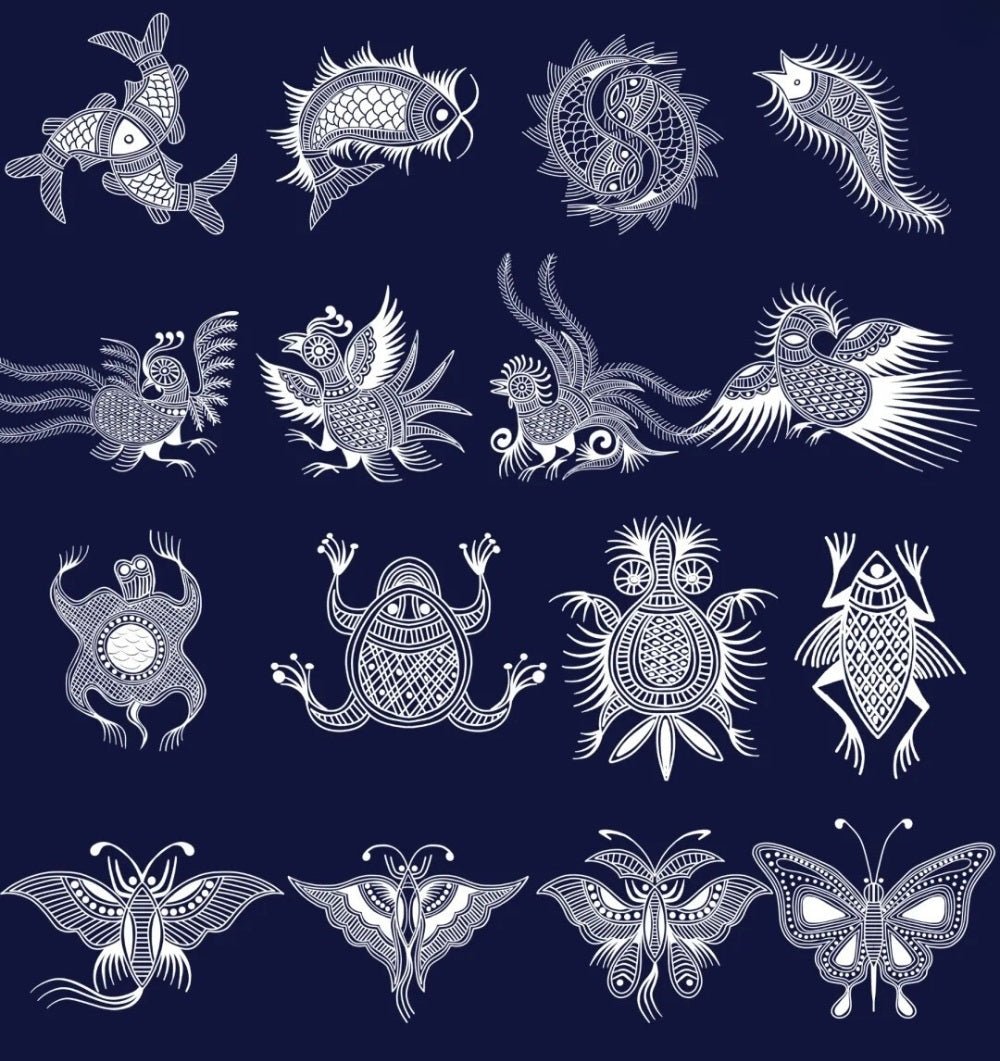
Miao batik motifs often draw from nature, origin stories, village memory, and protective symbolism. Common forms include butterflies, birds, fish, flowers, spirals, bronze drums, suns, dragons, phoenixes, and geometric borders.
Guide sections
A butterfly, bird, fish, or spiral can look decorative at first, but many of these forms come from stories, daily life, nature, and regional memory within Miao culture.
The important thing is not to treat every pattern as a fixed code. Miao batik is closer to visual storytelling. A symbol can shift depending on the village, maker, textile use, and the motifs placed around it.
Common Miao batik symbols
| Pattern | Common meaning | How it appears |
|---|---|---|
| Butterfly | Origin, motherhood, ancestry, life. | Winged forms, paired shapes, or a central mother-like figure. |
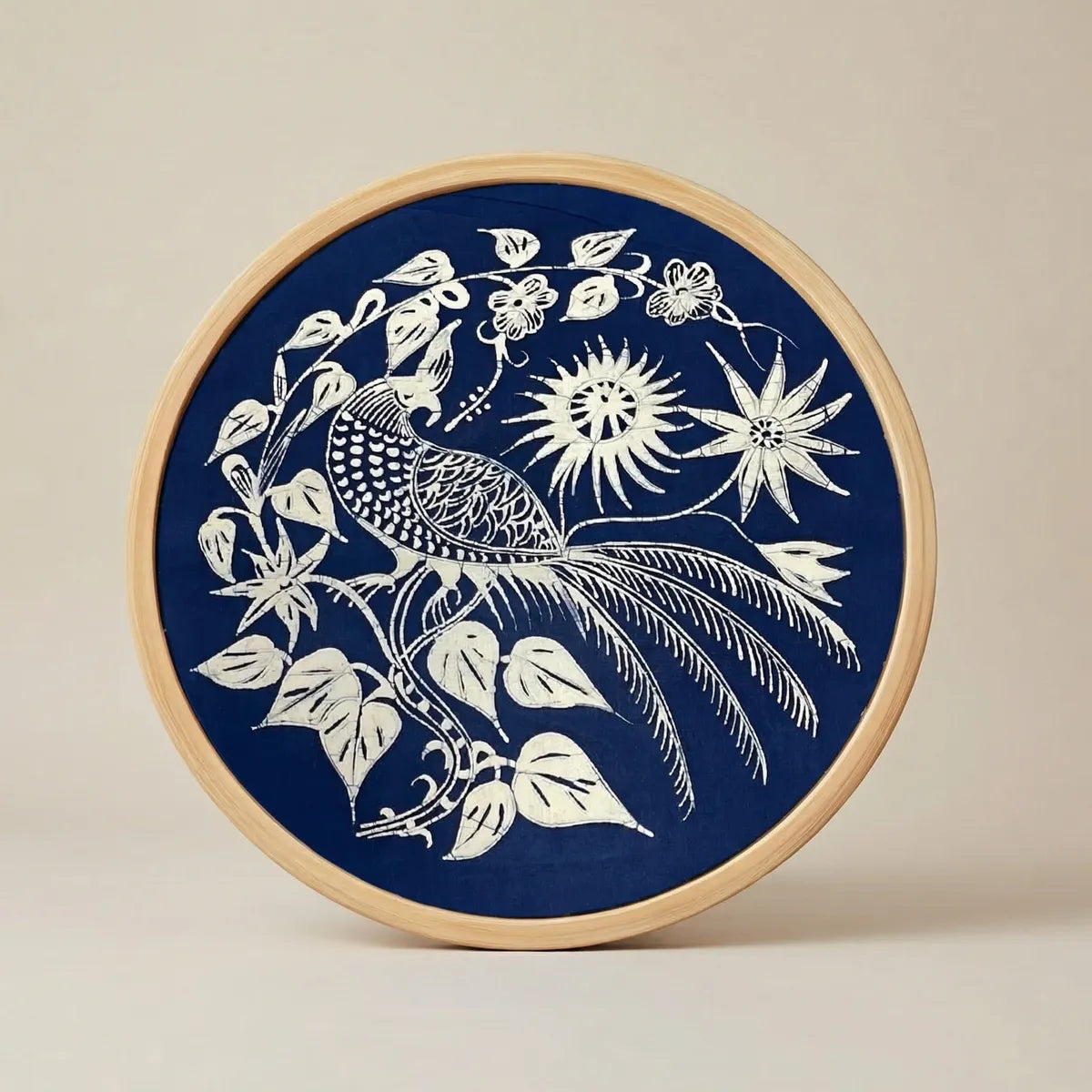
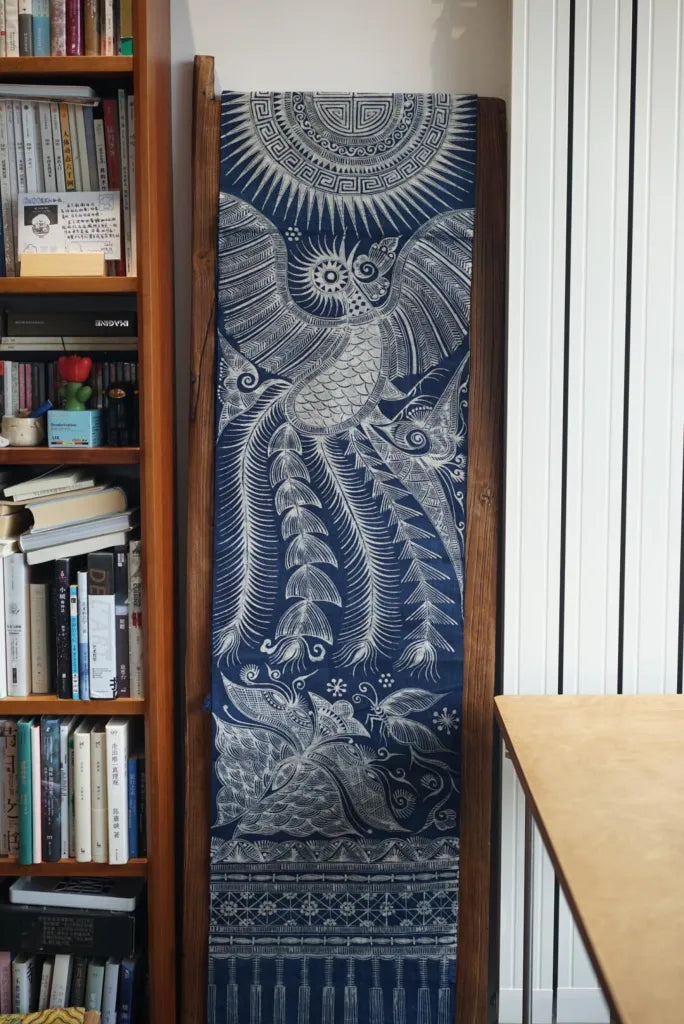
| Bird or phoenix | Movement, protection, and connection between worlds. | Long tails, open wings, and flowing feather-like lines. |
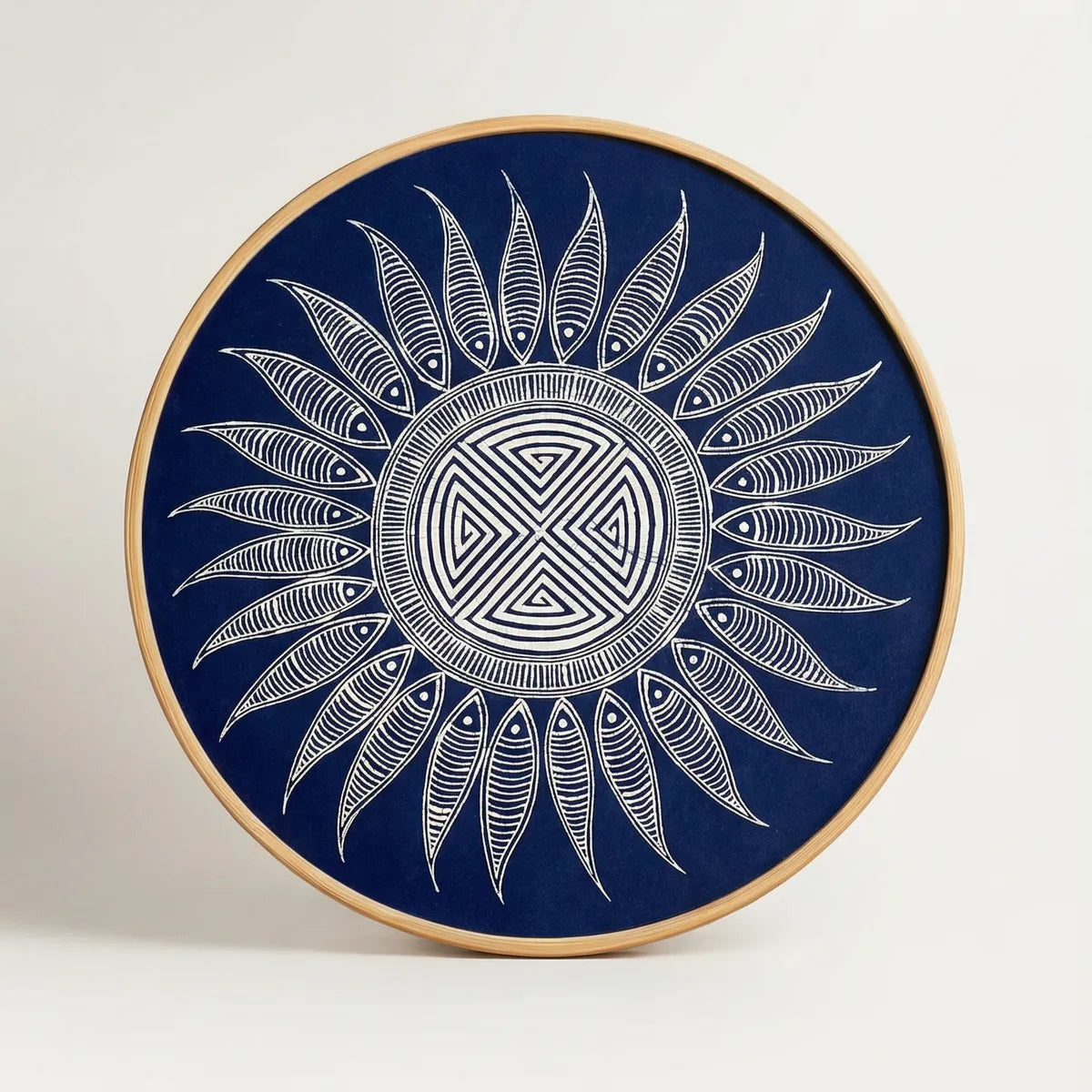
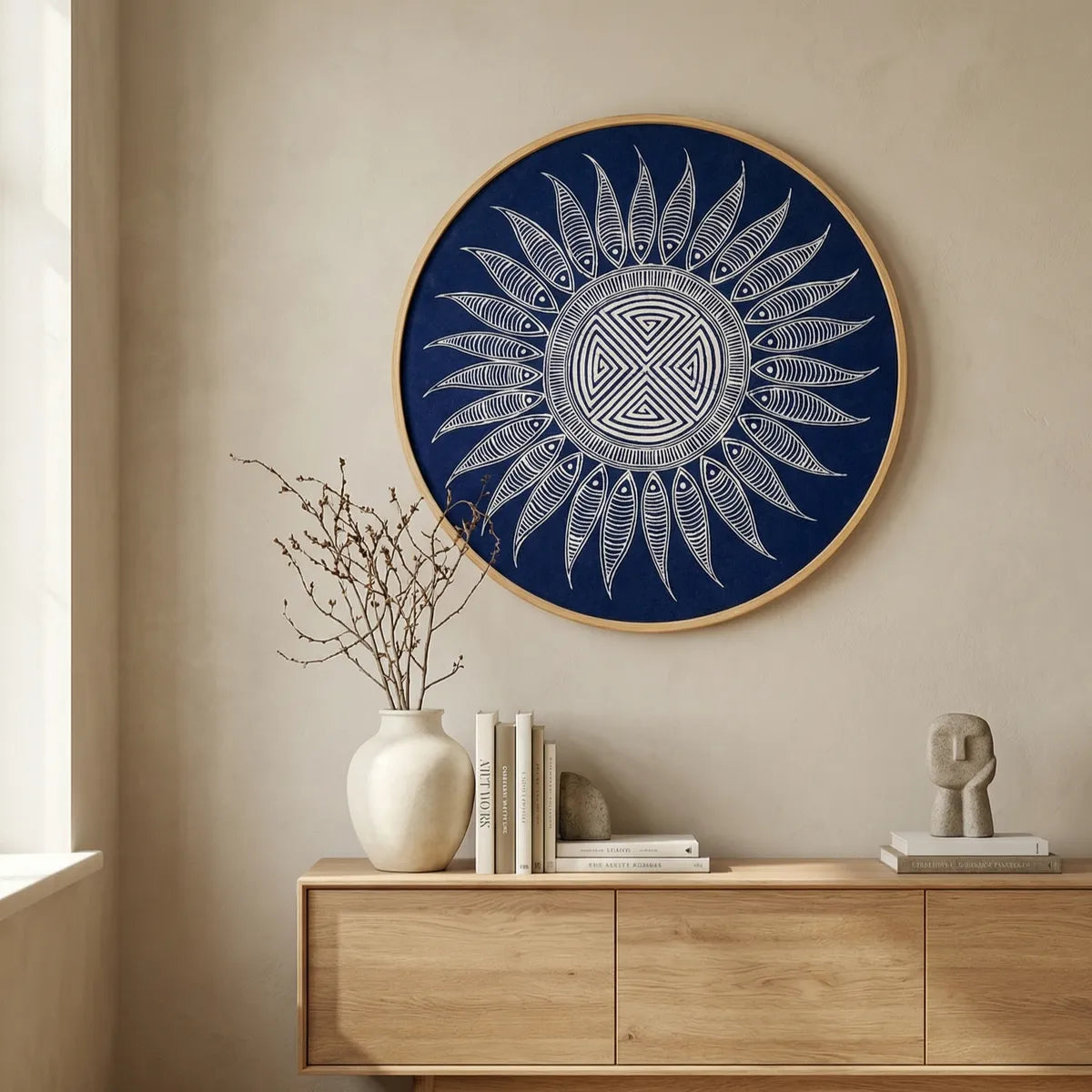
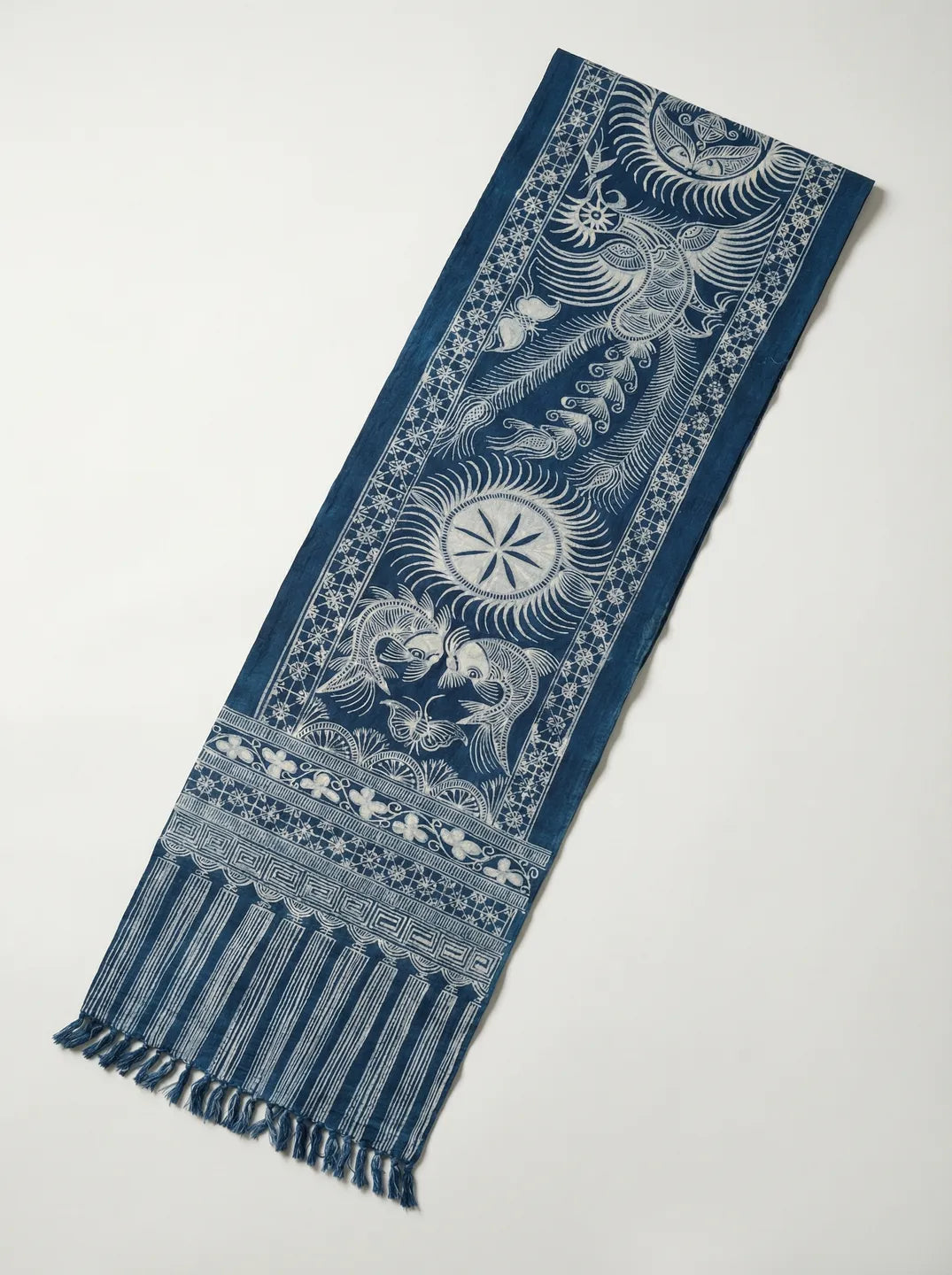
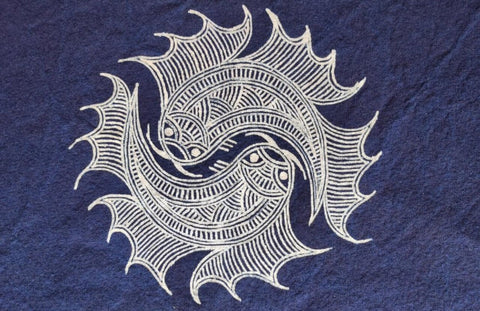
| Fish | Abundance, fertility, and continuation. | Paired fish, curved bodies, or fish placed near a central circle. |
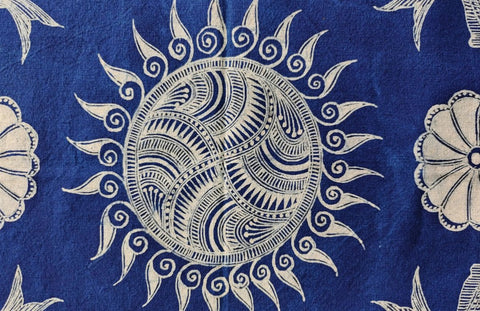
| Bronze drum | Ritual memory, gathering, and ancestral sound. | Circular centers, radiating marks, or drum-like medallions. |
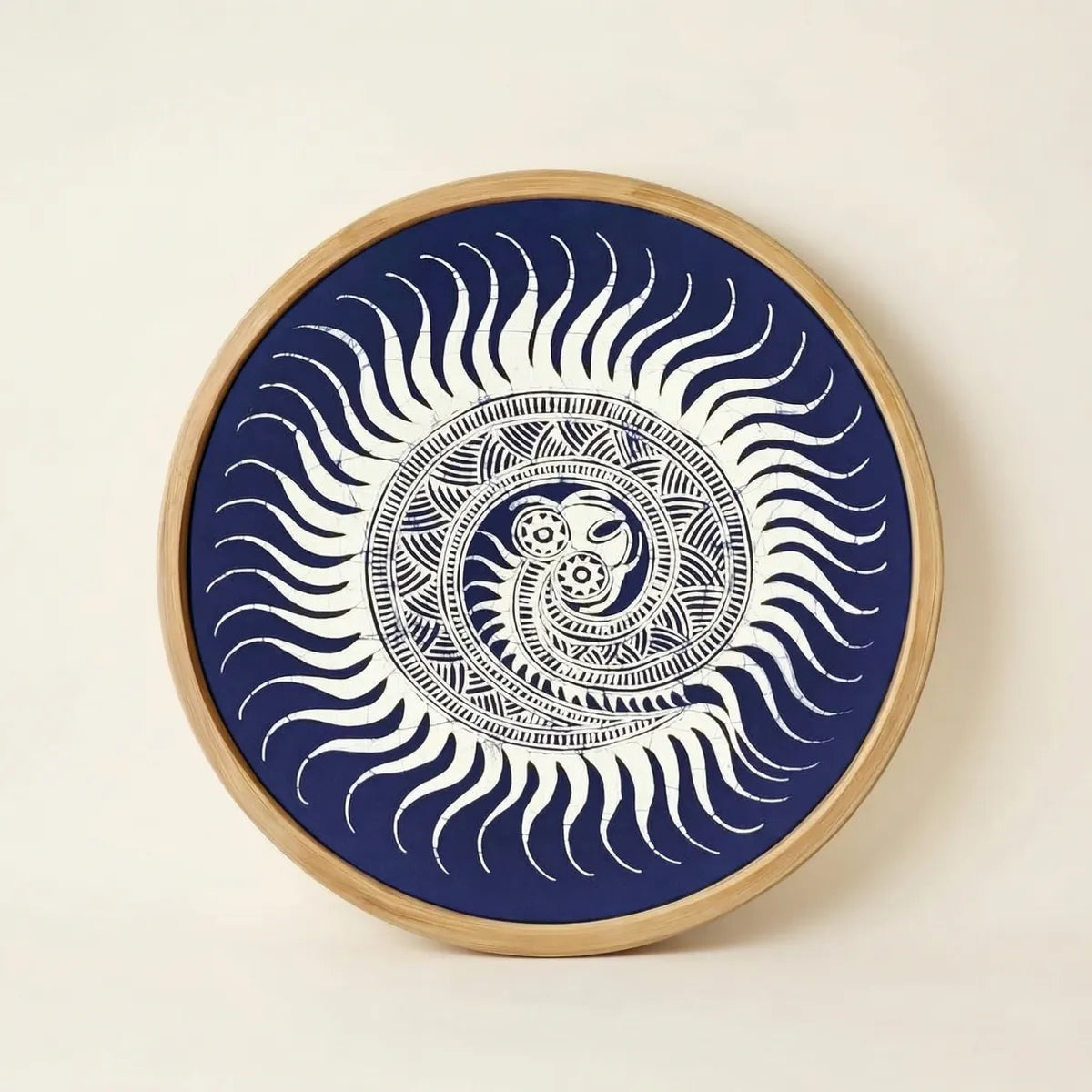
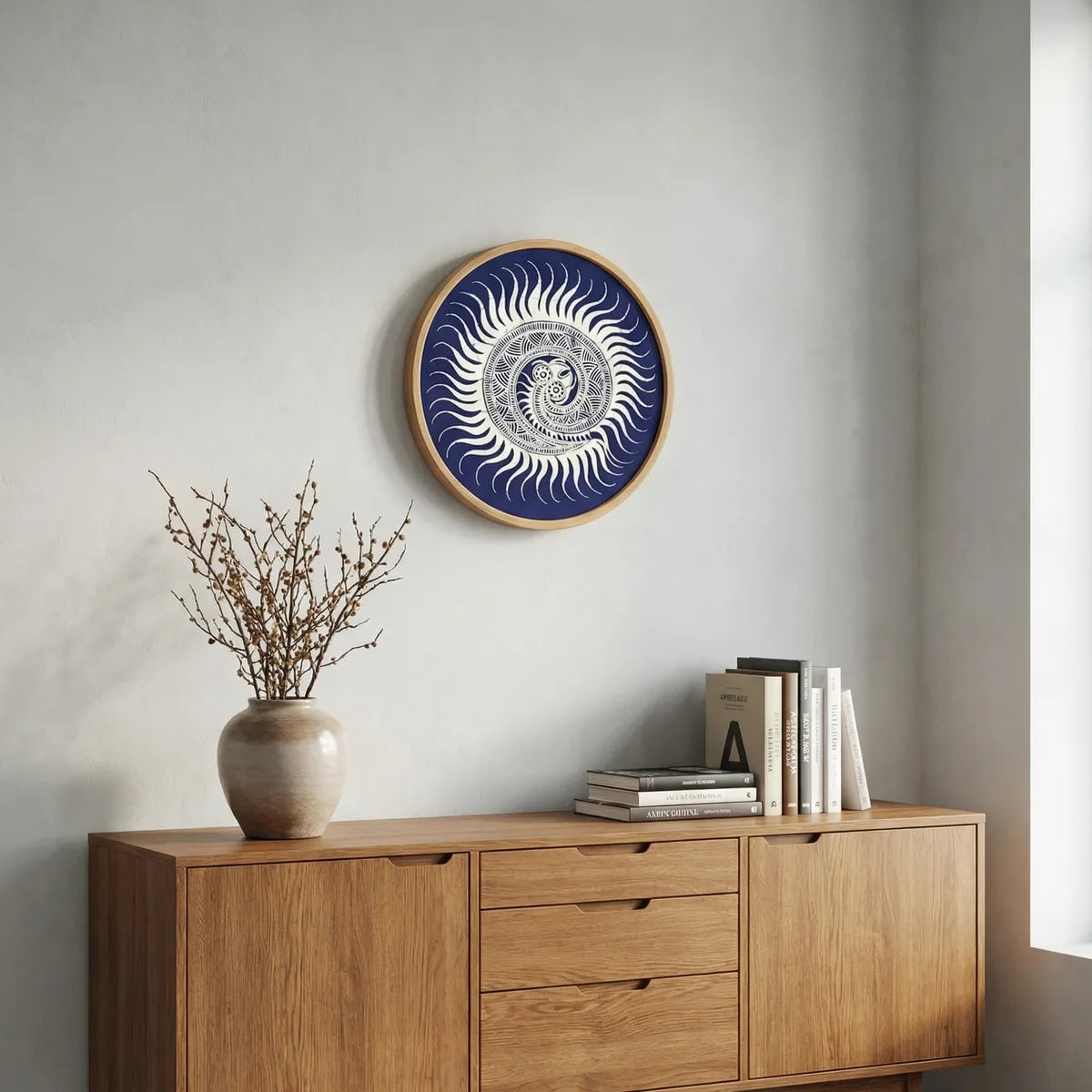
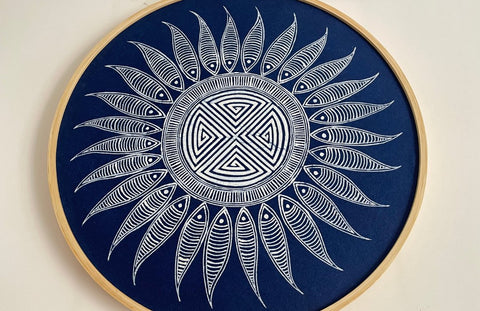
| Sun and geometric forms | Order, rhythm, nature, and repeated cycles. | Radial centers, borders, triangles, hooks, and spirals. |
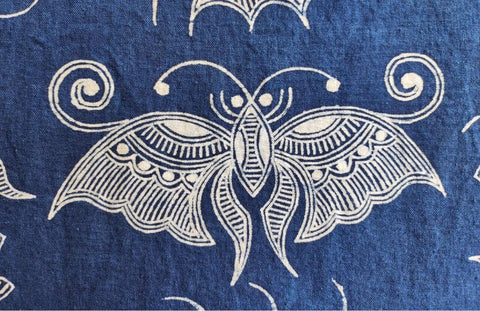
Butterfly
The butterfly is often connected with origin stories. In Miao oral tradition, Butterfly Mother is an important figure linked with life and ancestry. On textiles, butterfly forms may be realistic, abstract, or blended with other figures.
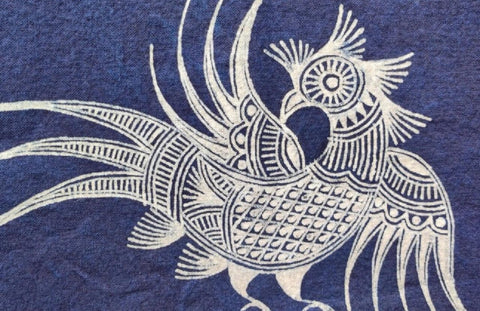
Bird
Bird motifs bring movement into the cloth. They may suggest protection, travel, or a connection between different spaces. In some pieces, bird forms also blend with flowers, phoenix shapes, and curling linework.
Fish
Fish are usually easier for new viewers to spot. They often point to abundance, family continuity, and the wish for life to keep moving forward. Paired fish are common because the curved bodies fit naturally into batik composition.
Bronze drum
The bronze drum motif often appears as a circular center. It can point to ritual memory, sound, gathering, and ancestral culture. When used in a larger design, it often gives the textile a strong visual center.
Sun
Sun-like forms use circular and radiating lines. They can suggest light, rhythm, and the order of natural cycles. In batik, they also create a strong point of focus among smaller repeated marks.
Dragon-like forms
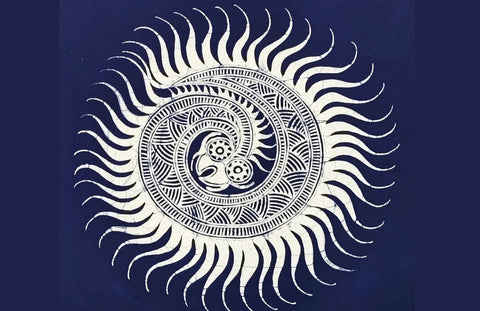
Dragon-like motifs in Miao batik are often more local and stylized than the formal dragon images many people know from Chinese court art. Look for long bodies, curling shapes, and hybrid animal features.
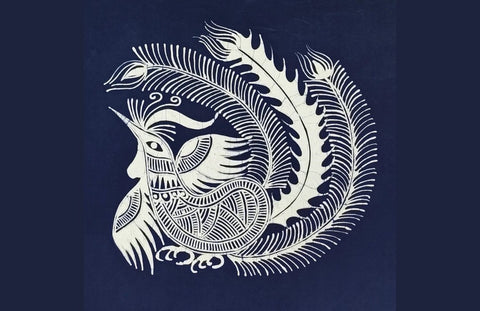
Phoenix
Phoenix-like birds add lift and drama to the textile. They may carry ideas of beauty, protection, and renewal, but the exact reading depends on the surrounding motifs and regional style.
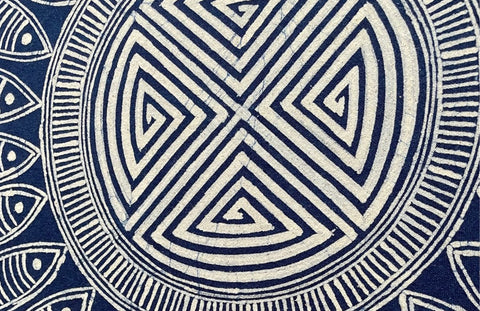
Geometric borders
Geometric borders organize the cloth. Triangles, hooks, spirals, and repeated bands can frame the main story, suggest movement, or echo the rhythm of rivers, paths, and textile edges.
Why mixed patterns matter
A single image can be named quickly. A full Miao batik textile is usually more layered. A butterfly may sit near fish, birds, flowers, bronze drum circles, and geometric borders. The story comes from how these forms work together.
This is why simple symbol lists are useful, but incomplete. They help you enter the pattern. They do not replace looking at the whole cloth.
How to read a Miao batik pattern
Start with the easiest visible motif. Is it a butterfly, fish, bird, flower, or circle? Then look at what surrounds it. A fish beside a spiral may feel different from a fish beside a flower. A bird at the center of a piece carries a different weight than a bird used as a border detail.
After that, step back. Does the textile feel dense or open? Symmetrical or free-flowing? Formal or playful? These questions are often more useful than forcing one rigid meaning onto every line.
How this connects to Miaozu culture
Pattern meaning gives cultural context to a textile or piece of clothing. It turns the cloth from a blue-and-white object into a record of craft, place, and memory.
For a broader introduction, read our guide to Miaozu culture, batik, and traditions. If you are comparing handmade batik with printed fabric, see how to tell handmade Miao batik from printed fabric. For the wax-resist process behind these lines, read what the ice crack effect means in Miao batik.
Sources and further reading
For heritage background, see the China Intangible Cultural Heritage page on Miao batik. For the Butterfly Mother oral tradition, see Butterfly Mother: Miao (Hmong) Creation Epics from Guizhou, China from Hackett Publishing.
FAQ
Are Miao batik symbols always religious?
No. Some motifs are tied to origin stories or belief. Others come from nature, daily life, memory, regional style, or the maker's sense of composition.
Is a butterfly always the Butterfly Mother?
Not always. Butterfly Mother is an important reference, but individual butterfly-like motifs should be read in context.
Why do different sources explain the same pattern differently?
Miao communities are not all identical. Regional traditions, oral stories, and family styles vary, so one symbol can carry more than one reading.
See finished pieces in the Runystore Miao Batik collection.