

Patrones del batik Miao: símbolos y significados
respuesta rapida
Los motivos del batik Miao a menudo se inspiran en la naturaleza, las historias de origen, la memoria del pueblo y el simbolismo protector. Las formas comunes incluyen mariposas, pájaros, peces, flores, espirales, tambores de bronce, soles, dragones, fénix y bordes geométricos.
Secciones de guía
Una mariposa, un pájaro, un pez o una espiral pueden parecer decorativos al principio, pero muchas de estas formas provienen de historias, la vida cotidiana, la naturaleza y la memoria regional dentro de la cultura Miao.
Lo importante es no tratar cada patrón como un código fijo. Miao batik está más cerca de la narración visual. Un símbolo puede cambiar según el pueblo, el fabricante, el uso textil y los motivos colocados a su alrededor.
Símbolos comunes del batik Miao
| Patrón | Significado común | como aparece |
|---|---|---|
| Mariposa | Origen, maternidad, ascendencia, vida. | Formas aladas, formas pareadas o una figura central parecida a una madre. |
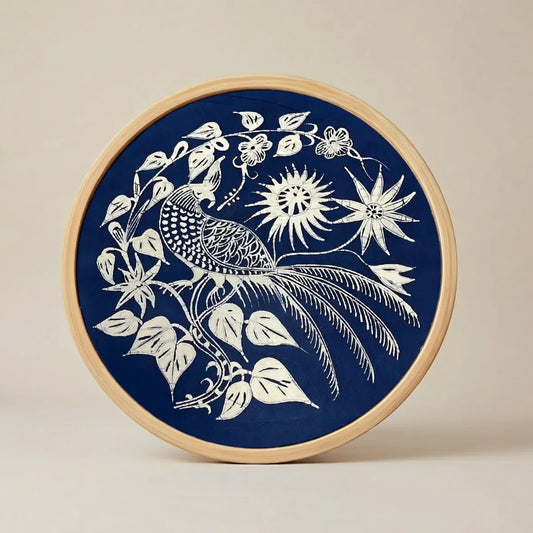
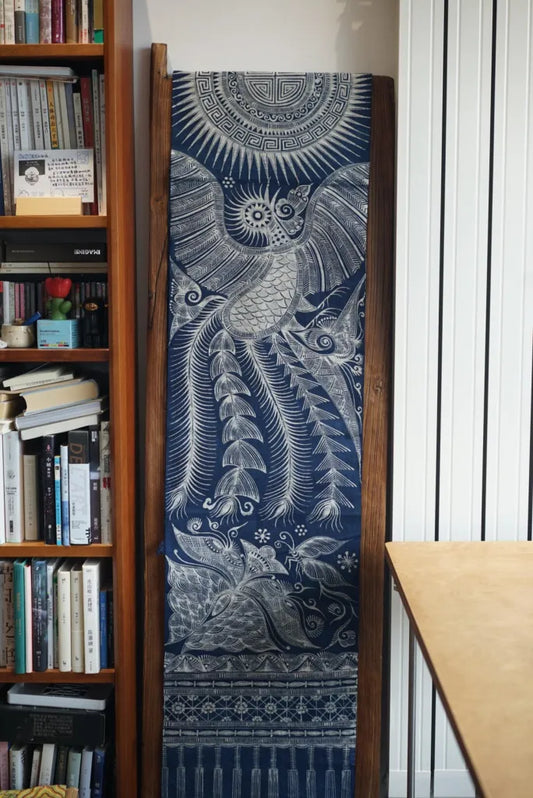
| Ave o fénix | Movimiento, protección y conexión entre mundos. | Colas largas, alas abiertas y líneas fluidas parecidas a plumas. |
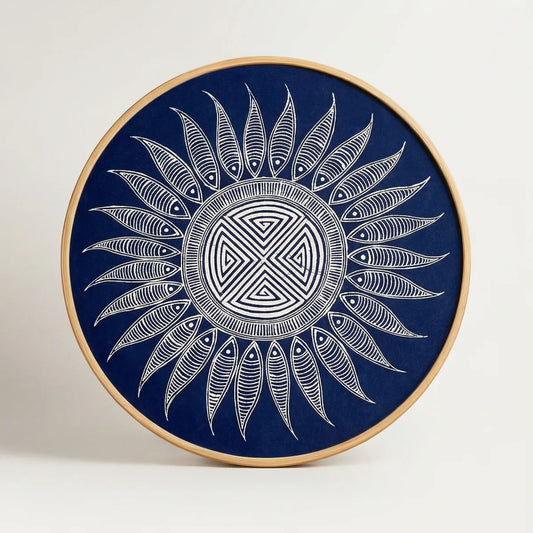
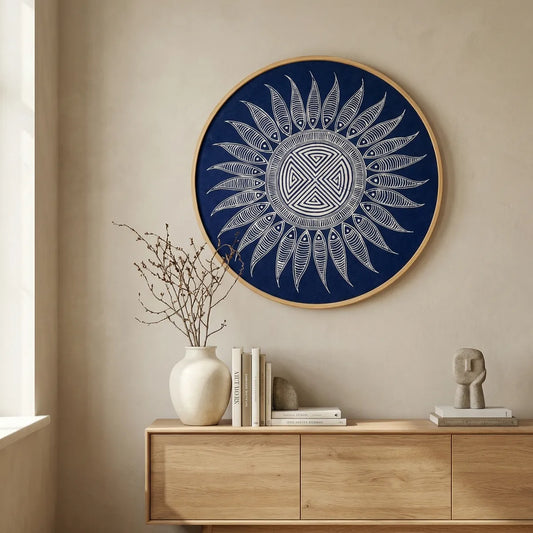
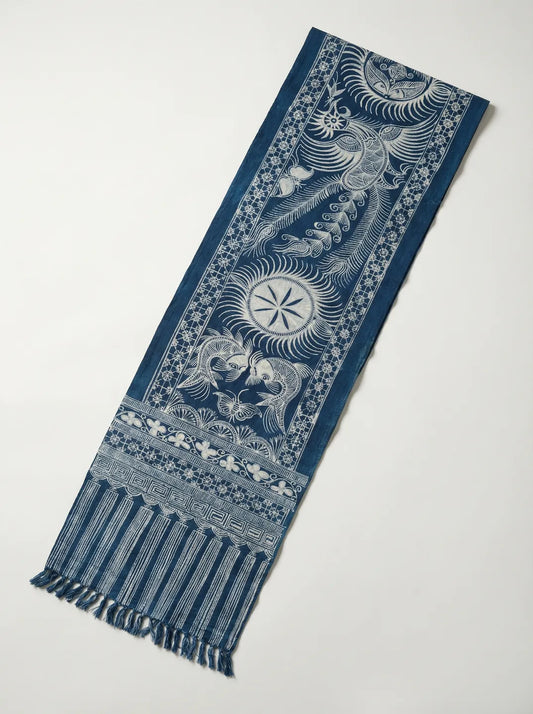
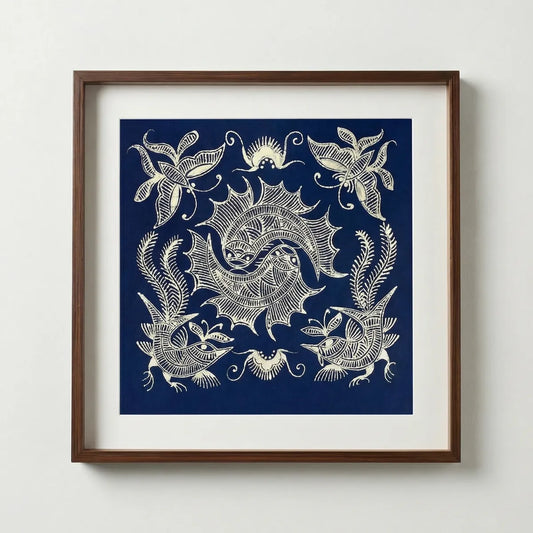
| Pez | Abundancia, fertilidad y continuación. | Peces emparejados, cuerpos curvos o peces colocados cerca de un círculo central. |
| tambor de bronce | Memoria ritual, reunión y sonido ancestral. | Centros circulares, marcas radiantes o medallones en forma de tambor. |
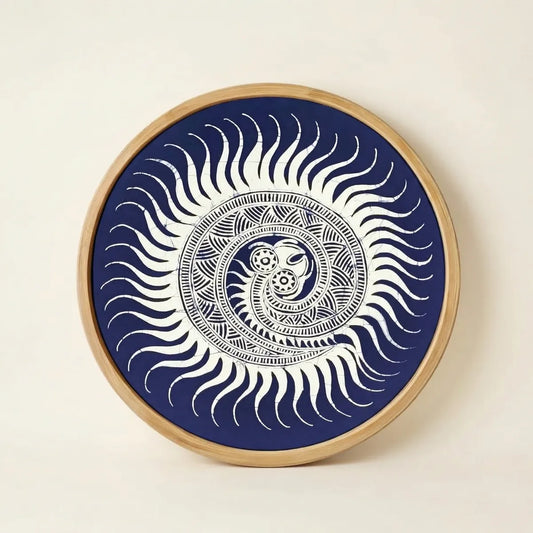
| Sol y formas geométricas. | Orden, ritmo, naturaleza y ciclos repetidos. | Centros radiales, bordes, triángulos, ganchos y espirales. |

Mariposa
La mariposa suele estar relacionada con historias de origen. En la tradición oral Miao, la Madre Mariposa es una figura importante vinculada con la vida y la ascendencia. En los textiles, las formas de mariposas pueden ser realistas, abstractas o mezcladas con otras figuras.

Pájaro
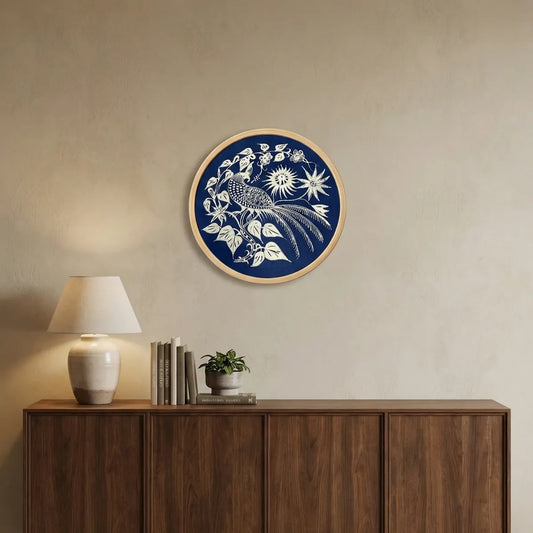
Los motivos de pájaros aportan movimiento a la tela. Pueden sugerir protección, viajes o una conexión entre diferentes espacios. En algunas piezas, las formas de pájaros también se mezclan con flores, formas de fénix y líneas rizadas.

Pez
Los peces suelen ser más fáciles de detectar para los nuevos espectadores. A menudo señalan la abundancia, la continuidad familiar y el deseo de que la vida siga avanzando. Los peces emparejados son comunes porque los cuerpos curvos encajan naturalmente en la composición del batik.

tambor de bronce
El motivo del tambor de bronce suele aparecer como un centro circular. Puede apuntar a memoria ritual, sonido, reunión y cultura ancestral. Cuando se utiliza en un diseño más grande, a menudo le da al textil un fuerte centro visual.

Sol
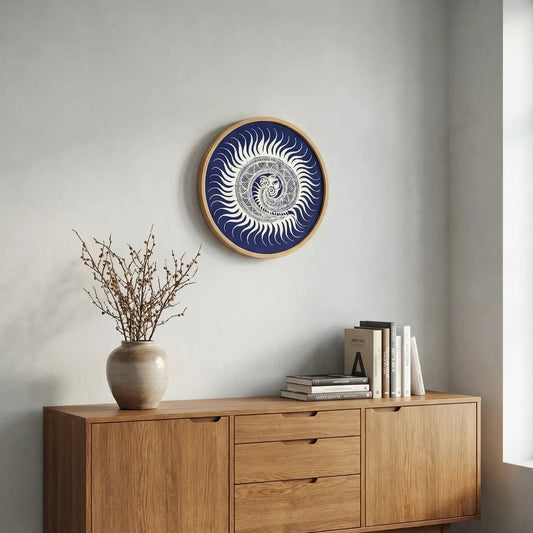
Las formas parecidas al sol utilizan líneas circulares y radiantes. Pueden sugerir luz, ritmo y el orden de los ciclos naturales. En batik, también crean un fuerte punto de enfoque entre marcas repetidas más pequeñas.

Formas parecidas a dragones
Los motivos parecidos a dragones en el batik Miao son a menudo más locales y estilizados que las imágenes formales de dragones que mucha gente conoce del arte de la corte china. Busque cuerpos largos, formas rizadas y rasgos de animales híbridos.

Fénix
Los pájaros parecidos a los fénix añaden realce y dramatismo al tejido. Pueden contener ideas de belleza, protección y renovación, pero la lectura exacta depende de los motivos circundantes y del estilo regional.

Bordes geométricos
Los bordes geométricos organizan la tela. Triángulos, ganchos, espirales y bandas repetidas pueden enmarcar la historia principal, sugerir movimiento o hacer eco del ritmo de ríos, caminos y bordes textiles.
Por qué son importantes los patrones mixtos
Se puede nombrar rápidamente una sola imagen. Un tejido Miao batik completo suele tener más capas. Una mariposa puede posarse cerca de peces, pájaros, flores, círculos de tambores de bronce y bordes geométricos. La historia proviene de cómo estas formas funcionan juntas.
Por eso las listas de símbolos simples son útiles, pero incompletas. Te ayudan a introducir el patrón. No reemplazan mirar toda la tela.
Cómo leer un patrón de batik Miao
Comience con el motivo visible más fácil. ¿Es una mariposa, un pez, un pájaro, una flor o un círculo? Luego mira lo que lo rodea. Un pez al lado de una espiral puede sentirse diferente a un pez al lado de una flor. Un pájaro en el centro de una pieza tiene un peso diferente al de un pájaro utilizado como detalle del borde.
Después de eso, da un paso atrás. ¿El tejido se siente denso o abierto? ¿Simétrico o fluido? ¿Formal o juguetón? Estas preguntas suelen ser más útiles que imponer un significado rígido en cada línea.
Cómo se conecta esto con la cultura Miaozu
El significado del patrón da contexto cultural a un textil o prenda de vestir. Convierte la tela de un objeto azul y blanco en un registro de artesanía, lugar y memoria.
Para una introducción más amplia, lea nuestra guía paraCultura, batik y tradiciones miaozu. Si compara el batik hecho a mano con la tela estampada, consulteCómo distinguir el batik Miao hecho a mano de la tela estampada. Para conocer el proceso de resistencia a la cera detrás de estas líneas, lea¿Qué significa el efecto de grieta de hielo en Miao batik?.
Fuentes y lecturas adicionales
Para conocer los antecedentes patrimoniales, consulte elPágina del Patrimonio Cultural Inmaterial de China sobre el batik Miao. Para conocer la tradición oral de la Madre Mariposa, consulteMadre Mariposa: Epopeyas de la creación Miao (Hmong) de Guizhou, Chinade Hackett Publishing.
Preguntas frecuentes
¿Los símbolos Miao batik son siempre religiosos?
No. Algunos motivos están vinculados a historias o creencias sobre el origen. Otros provienen de la naturaleza, la vida cotidiana, la memoria, el estilo regional o el sentido de composición del creador.
¿Es una mariposa siempre la Madre Mariposa?
No siempre. Butterfly Mother es una referencia importante, pero los motivos individuales parecidos a mariposas deben leerse en contexto.
¿Por qué diferentes fuentes explican el mismo patrón de manera diferente?
Las comunidades Miao no son todas idénticas. Las tradiciones regionales, las historias orales y los estilos familiares varían, por lo que un símbolo puede conllevar más de una lectura.
Ver piezas terminadas en elColección Runystore Miao Batik.
Etiquetas:
Artículo anterior
Miao Batik: El irrepetible azul índigo
Artículo siguiente
Herencia Miao Batik: historia, artesanía y significado