

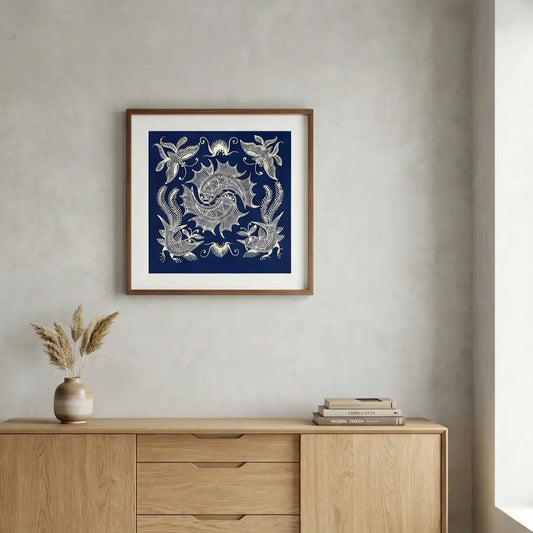

Herencia Miao Batik: historia, artesanía y significado
respuesta rapida
Miao batik es patrimonio cultural porque el conocimiento importa tanto como la tela terminada. La artesanía incluye dibujo en cera, teñido de índigo, memoria de patrones, enseñanza familiar y el uso de textiles en la vestimenta, las ceremonias y la vida diaria.

Secciones de guía
Por qué Miao batik es patrimonio vivo
Una nave viva sobrevive gracias al uso. Miao batik se ha enseñado en familias, se ha practicado en aldeas y se ha adaptado a la ropa, los textiles para el hogar y las obras de arte. Lo importante no es sólo el patrón de la tela. Es el conocimiento necesario para hacerlo.
La UNESCO describe la artesanía tradicional como parte del patrimonio cultural intangible porque las habilidades y los conocimientos son transmitidos por las personas. Miao batik se ajusta perfectamente a esa idea.
El proceso básico
El fabricante prepara la tela, calienta la cera, dibuja el patrón, tiñe el tejido con índigo, quita la cera, enjuaga la tela y la seca. Cada paso afecta a la pieza final.
La línea de cera decide qué queda blanco. El baño de tinte decide qué tan profundo se vuelve el azul. La tela registra ambas elecciones.
Por qué son importantes los patrones

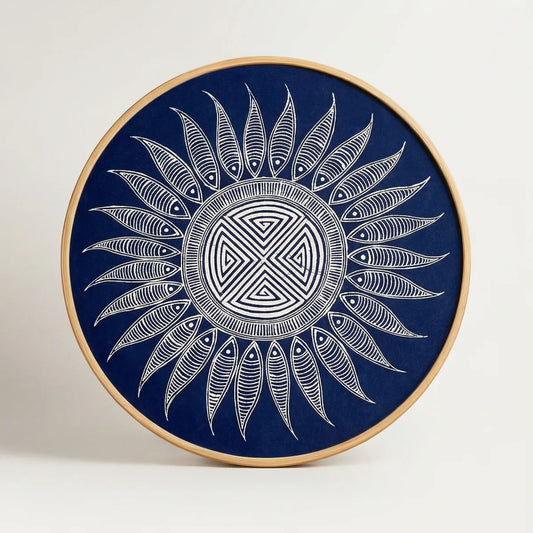
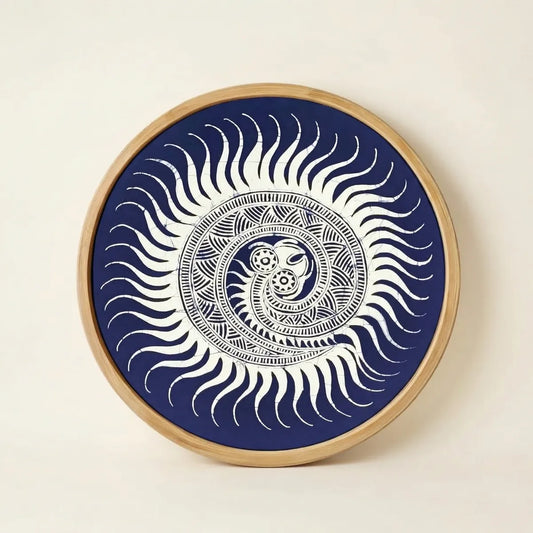
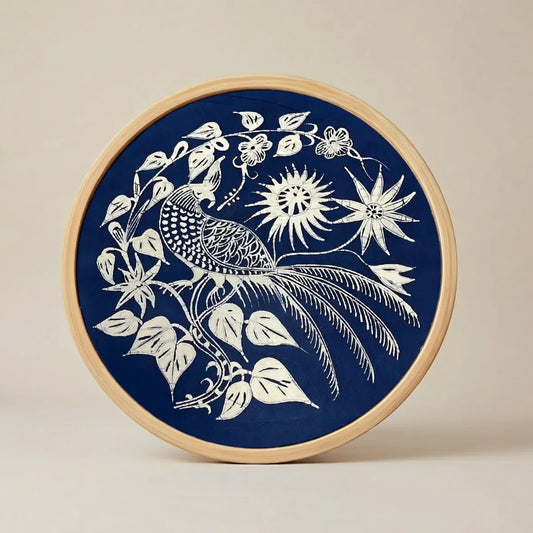
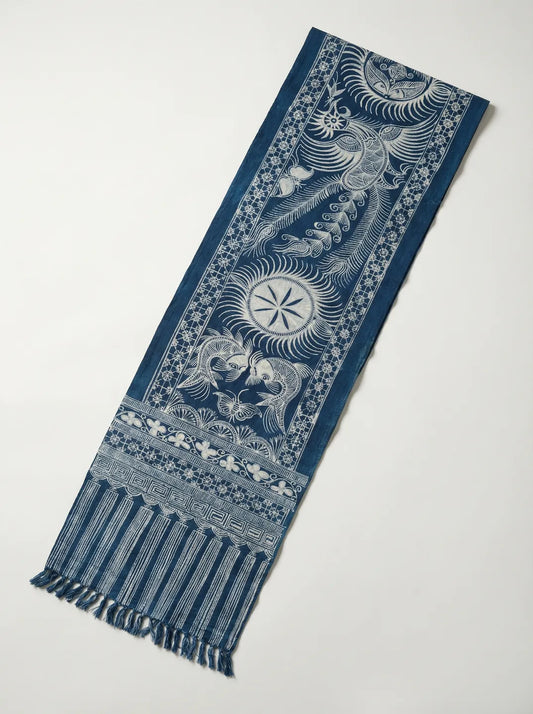
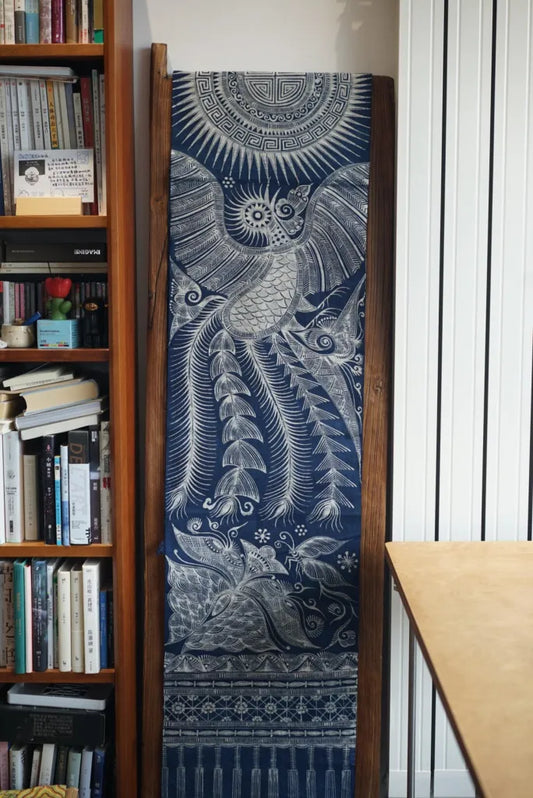
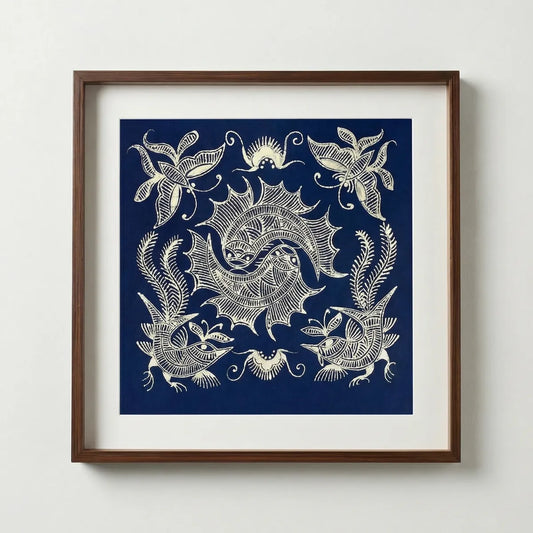
Muchos motivos del batik Miao provienen de la naturaleza, las historias de origen, la memoria del pueblo y la identidad familiar. Las mariposas, los pájaros, los peces, las flores, las espirales y los bordes geométricos pueden parecer decorativos al principio, pero a menudo tienen un significado local.
La forma más segura de leer un patrón es con humildad. Los significados pueden cambiar según la región, el fabricante y la tradición familiar.
Cómo el patrimonio se convierte en diseño moderno
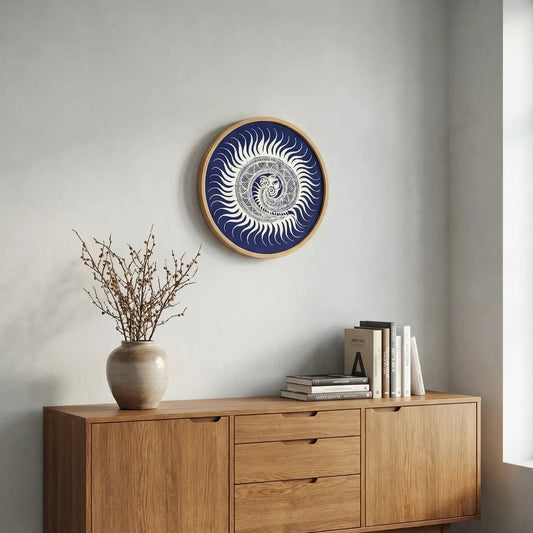
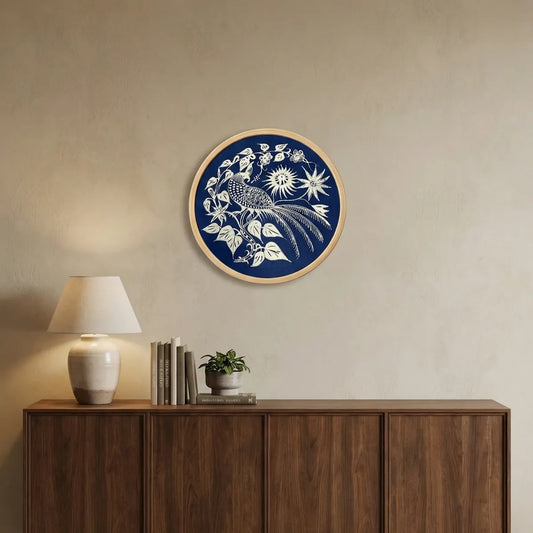
Miao batik puede trasladarse a hogares modernos sin perder su valor si el proceso aún recibe nombre y se respeta. Un tapiz de pared o un camino de mesa pueden presentarle a las personas la artesanía cuando la página del producto explica cómo se hizo.
El problema comienza cuando el batik hecho a mano se reduce a un vago estampado étnico. El lenguaje específico protege el oficio mejor que el lenguaje decorativo.
Miao Batik, con su rica historia que abarca milenios, tiene un inmenso valor artístico. Su proceso de creación no sólo exige una artesanía exquisita y una creatividad ilimitada por parte del artesano, sino que también pone a prueba su paciencia y dedicación.
El proceso de elaboración del batik:
-
Alisar la tela:Comience colocando la tela sobre una tabla encerada y use un guijarro ovalado, plano y liso para enrollarla hacia adelante y hacia atrás sobre la tela, asegurándose de que se adhiera firmemente a la tabla.
-
Derretir la cera:Calentar cera de abejas en un recipiente específico de hierro hasta que se derrita, subiendo la temperatura gradualmente.
-
Aplicar cera:Este importante paso implica que el artista utilice embudos o bolígrafos de cera especializados para dibujar patrones en la tela de algodón. Esto requiere una habilidad excepcional, ya que tanto la uniformidad de las líneas de cera como la precisión de los patrones son primordiales.
-
Tintura:La tela con los patrones dibujados se sumerge en un tinte de origen vegetal, generalmente tinte índigo. Es posible que sean necesarias varias inmersiones para lograr la profundidad de color deseada.
-
Quitar cera:Una vez teñida, la tela se hierve en agua caliente para derretir y quitar la cera de abejas. Esto revela los patrones azules y blancos de la tela.
-
Enjuague:La tela desparafinada se enjuaga bien con agua limpia para eliminar las impurezas restantes y el tinte suelto.
-
El secado:La tela enjuagada se coloca en un área sombreada para que se seque al aire lentamente.
-
Puntadas:Finalmente, los artesanos Miao cosen la tela a mano, completando la creación de la obra de arte batik.
| parte de la artesanía | lo que conserva | Por qué debería importarles a los compradores |
|---|---|---|
| Dibujo en cera | Habilidad manual y control de patrones. | Muestra la línea del fabricante. |
| teñido índigo | Conocimiento y momento del tinte vegetal. | Crea una variación azul natural. |
| Motivos | Historias, memoria e identidad regional | Da significado al textil. |
| Enseñanza | Conocimiento entre generaciones | Mantiene viva la nave |
Preguntas frecuentes
¿Es el Miao batik sólo una antigua tradición?
No. Todavía hoy se fabrica y adapta para ropa, arte mural, textiles para la mesa y decoración hecha a mano.
¿Por qué es importante el proceso?
Porque la habilidad detrás del tejido es lo que hace que el objeto sea patrimonio cultural y no sólo un patrón.
¿Cómo pueden los compradores apoyar la artesanía?
Elija vendedores que nombren la técnica, muestren detalles del proceso y eviten descripciones vagas como estampado tribal.
Etiquetas:
Artículo anterior
Patrones del batik Miao: símbolos y significados
Artículo siguiente
La Madre Mariposa (Mai Bang): el mito sagrado de la creación del pueblo Miao y sus símbolos en el batik