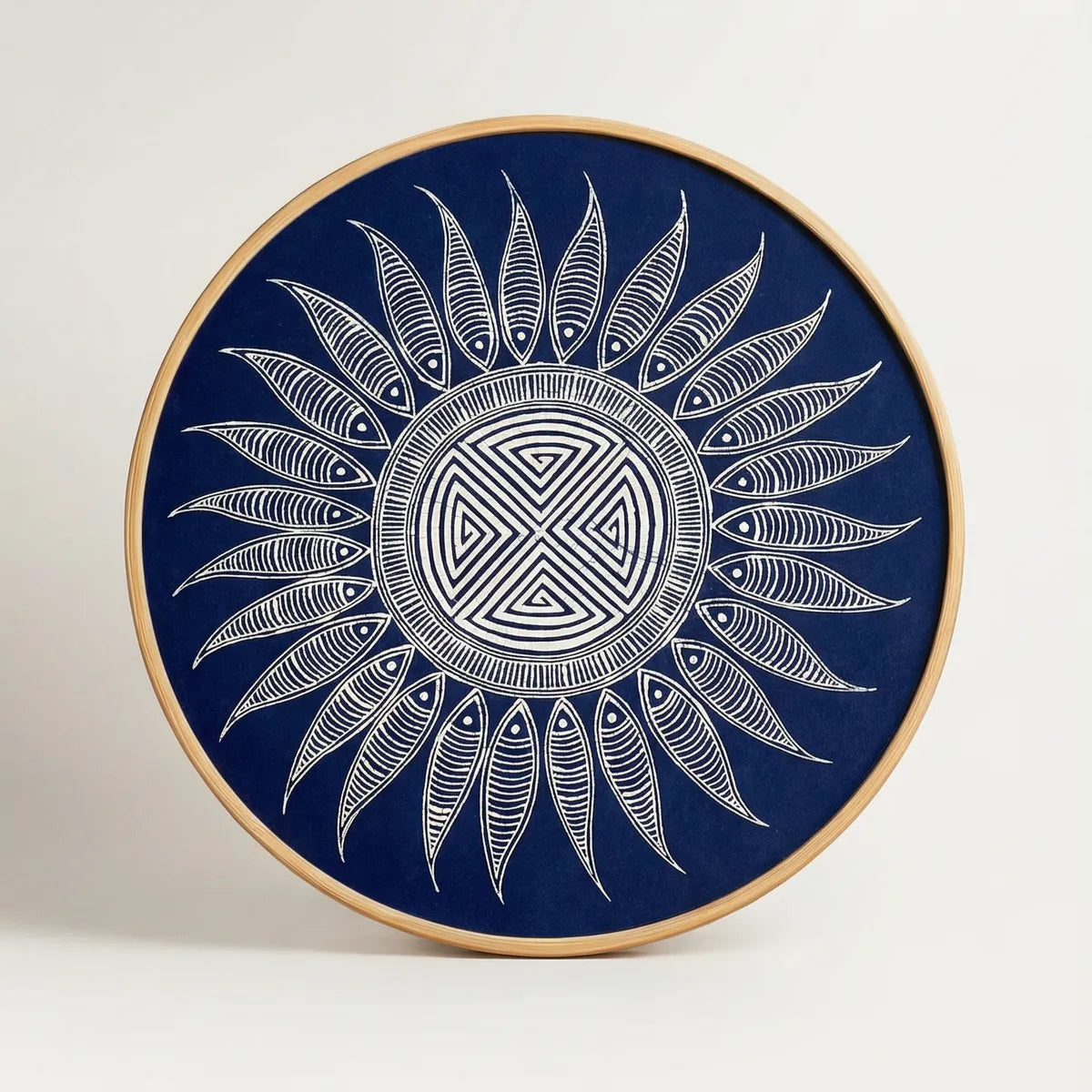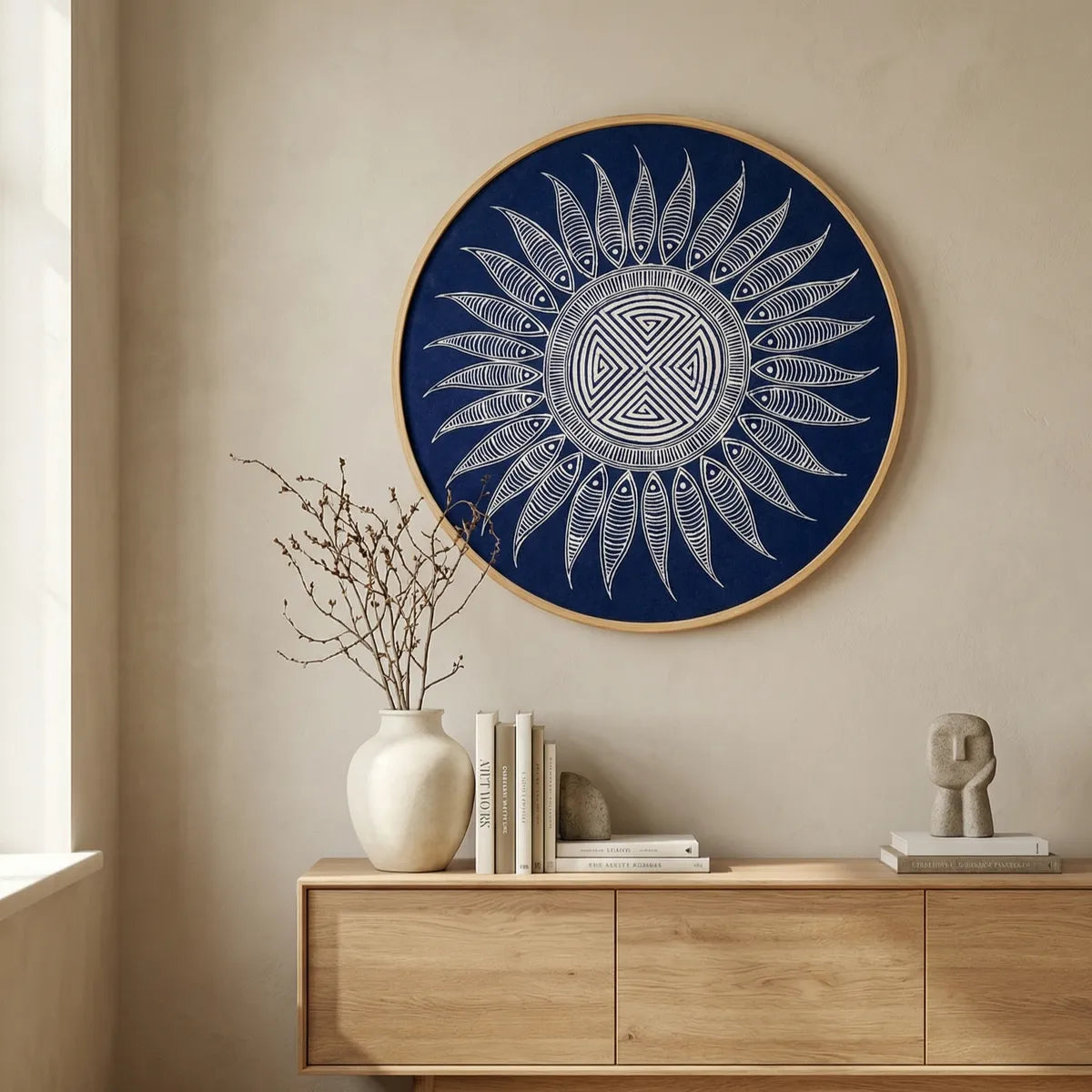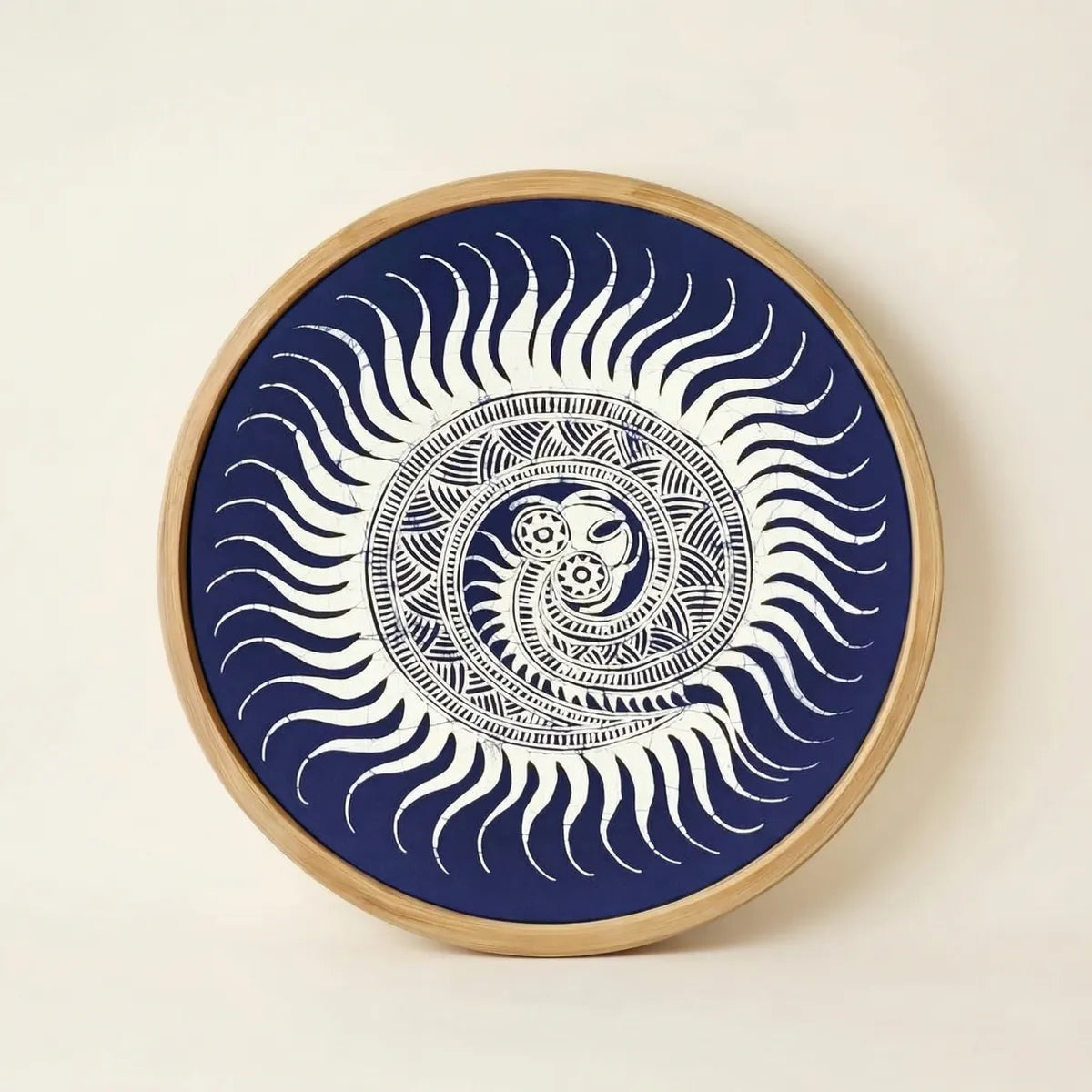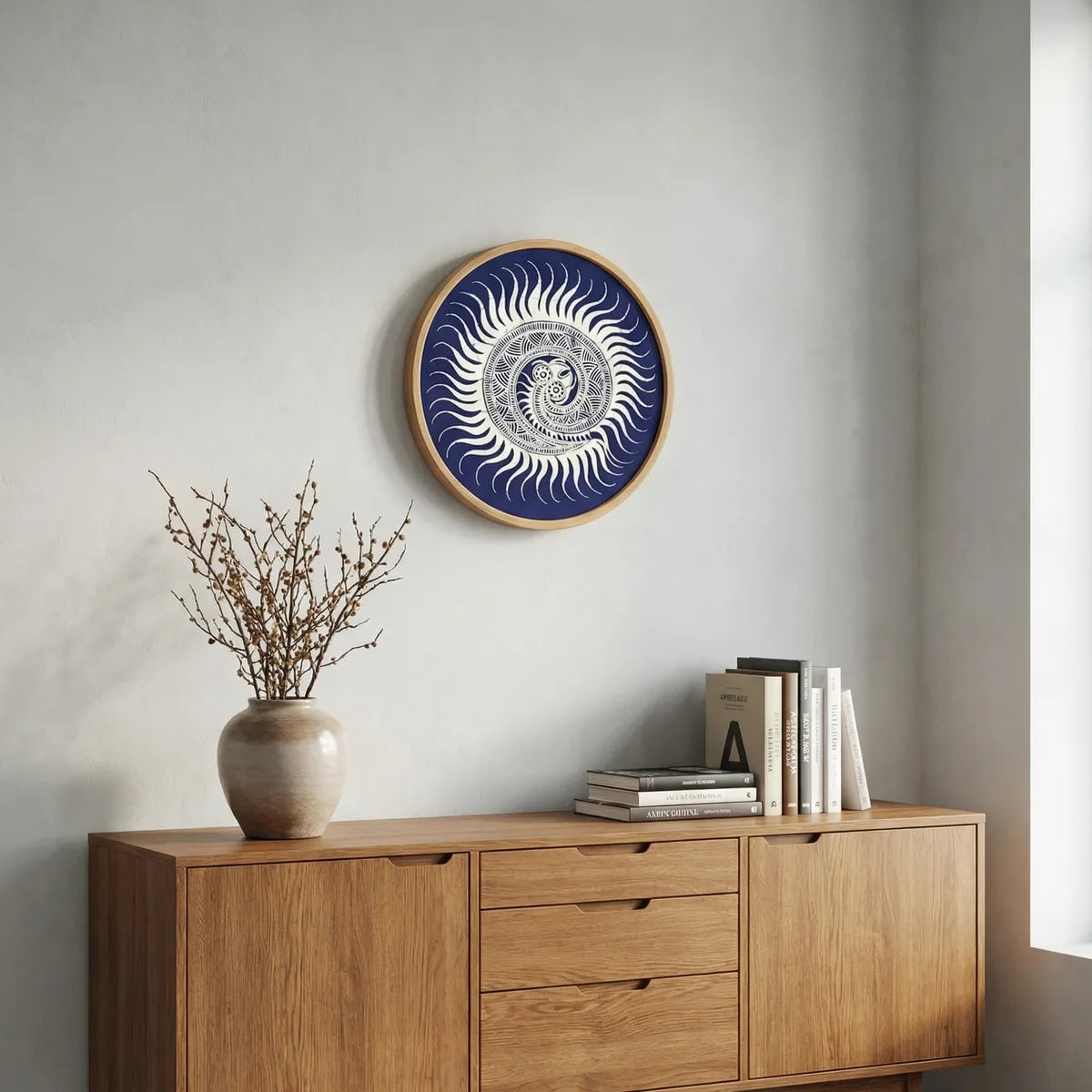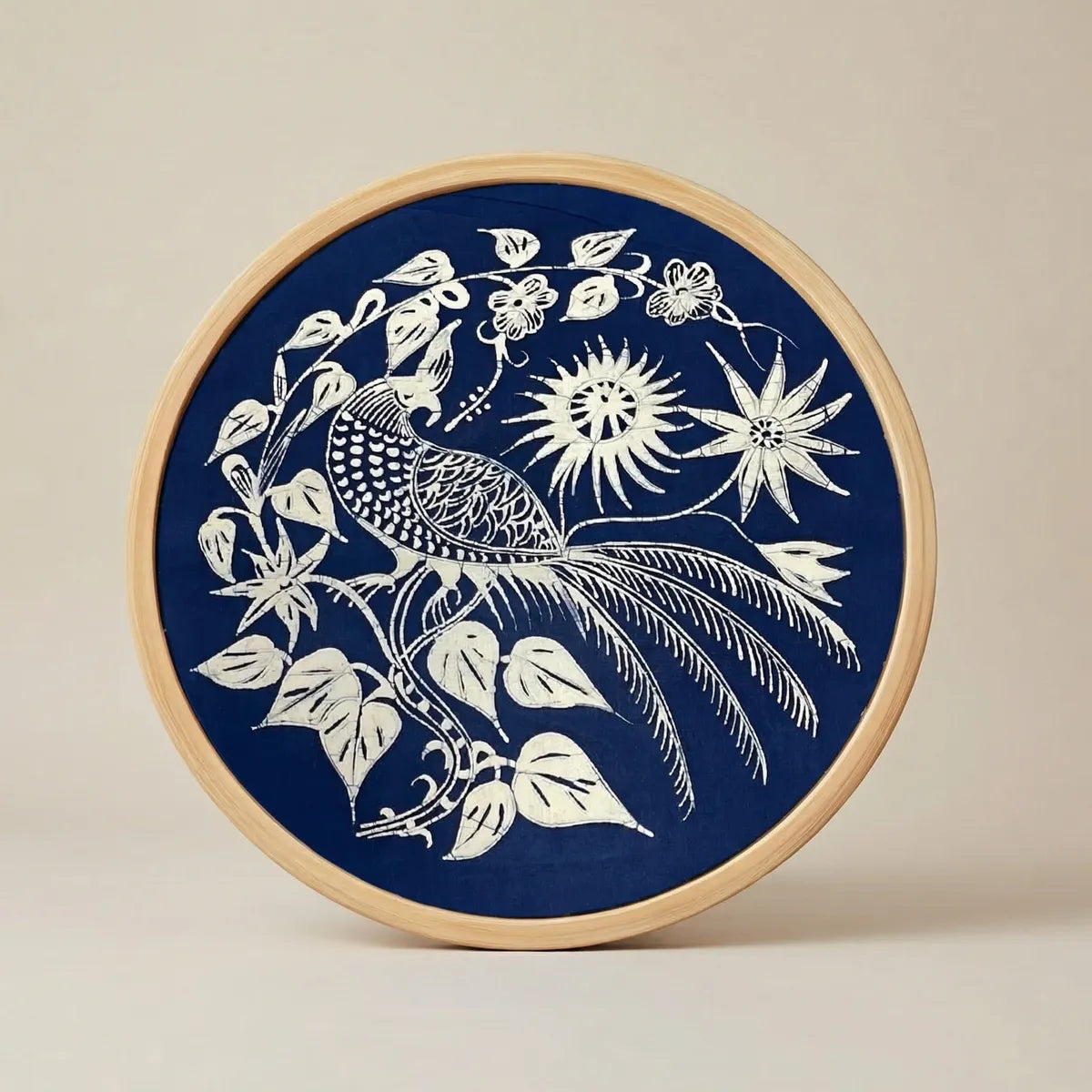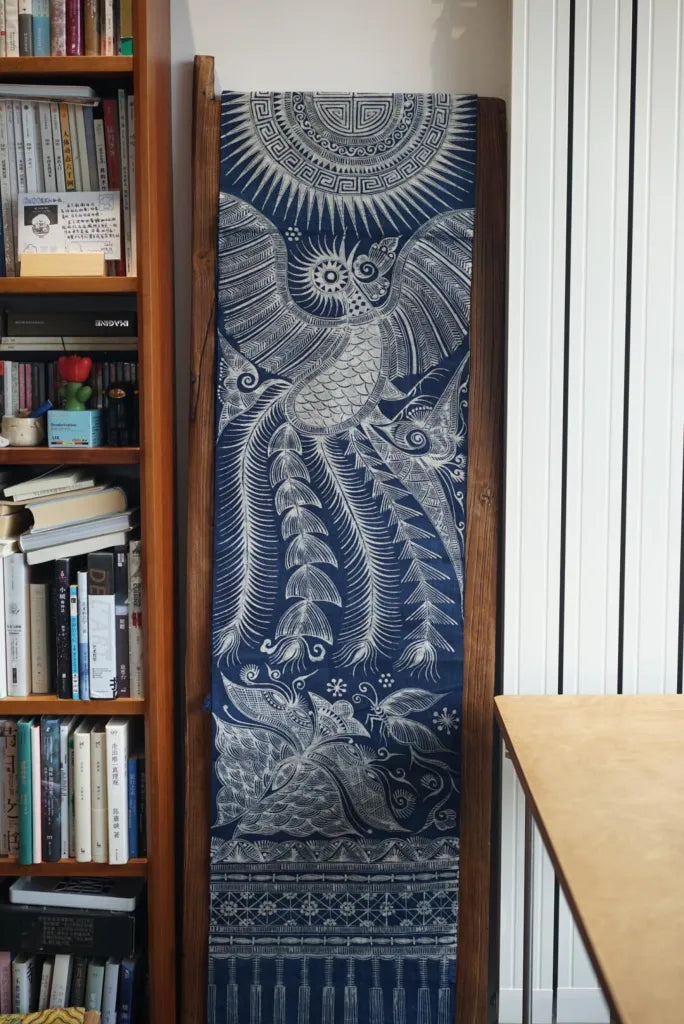

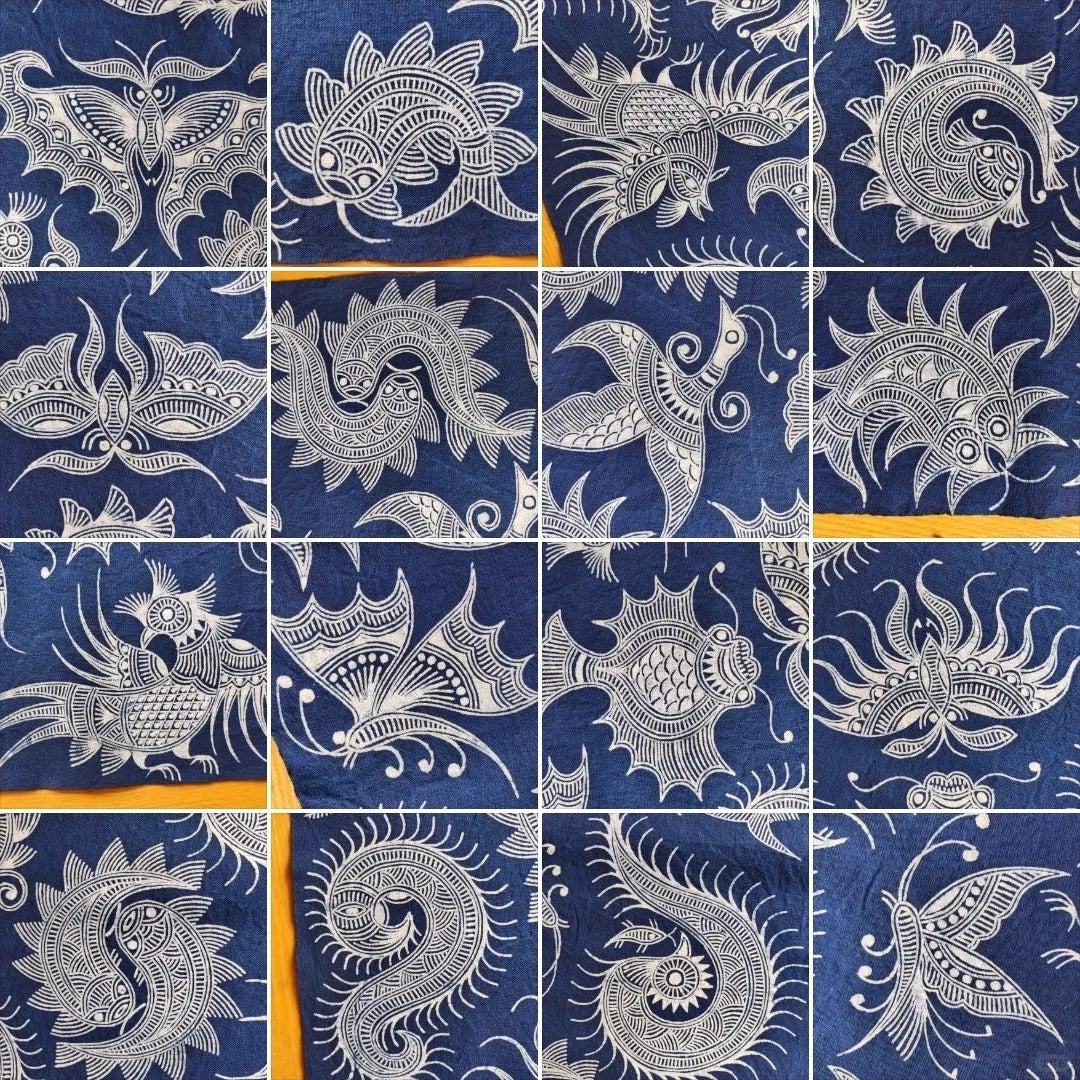
Miao batik is a traditional wax-resist dyeing craft from southwest China, especially Guizhou. Artisans use copper wax knives (Ladao) to draw freehand patterns with hot beeswax on handwoven cloth before dipping the fabric into natural fermented indigo dye vats. It is known for deep indigo color, rich cultural symbolism, and natural ice crackle lines that give each piece an unrepeatable character.
What is Miao batik?
Miao batik is a wax-resist textile craft practiced for generations in Miao communities across Guizhou and neighboring provinces in southwest China. In 2006, Miao batik was recognized as part of China's National Intangible Cultural Heritage.
Unlike factory prints that replicate patterns mechanically, authentic Miao batik relies on human touch, natural beeswax, and plant-based indigo dye. Because the Miao historically preserved their memories without a written alphabet, motifs drawn on cloth often carry deep cultural history, family stories, and respect for nature. If you want broader cultural background first, explore our guide on What is Miaozu culture?
How Miao batik is made
The process of making traditional Miao batik involves several deliberate, hands-on steps:
- Cloth Preparation: Natural cotton or hemp fabric is washed, smoothed, and flattened with smooth river stones or bowls to create an even surface for wax drawing.
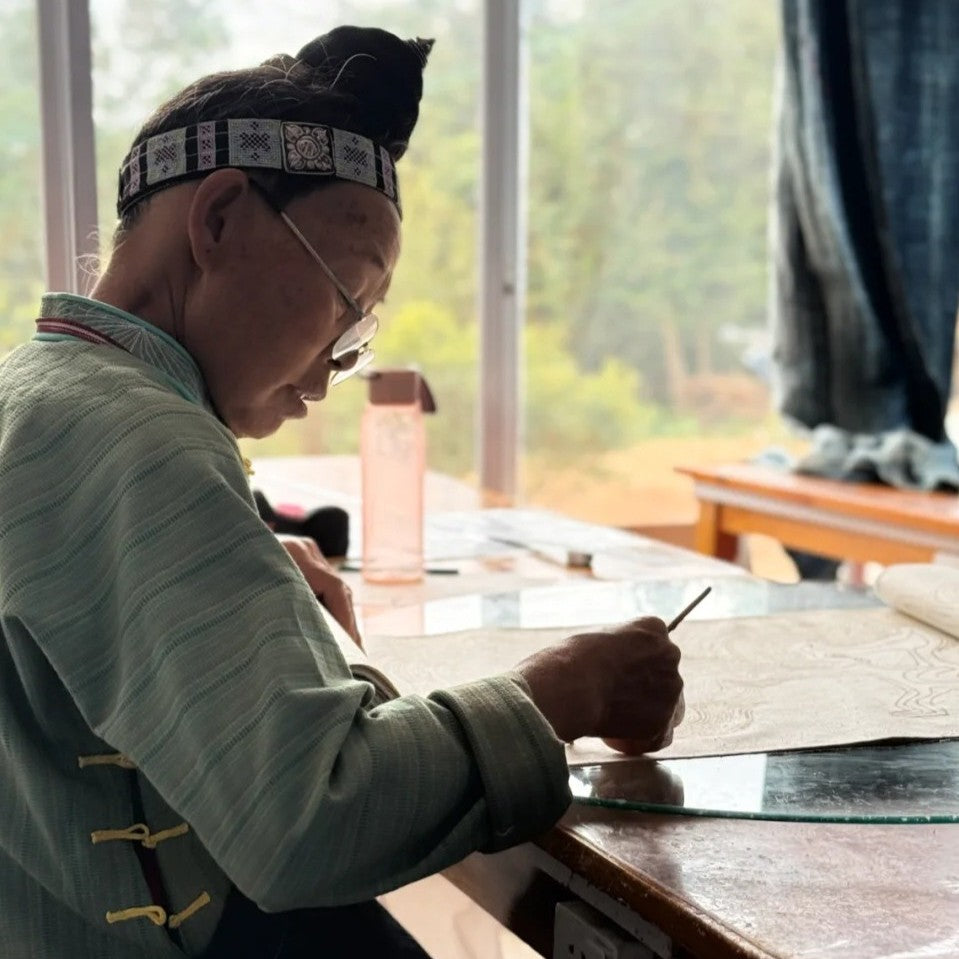
- Wax Drawing (Ladao): Pure melted beeswax is kept warm over small embers. Artisans use a specialized copper wax knife (Ladao) to draw lines and motifs freehand from memory directly onto the fabric. To learn more about this tool, see our Miao batik tool guide.
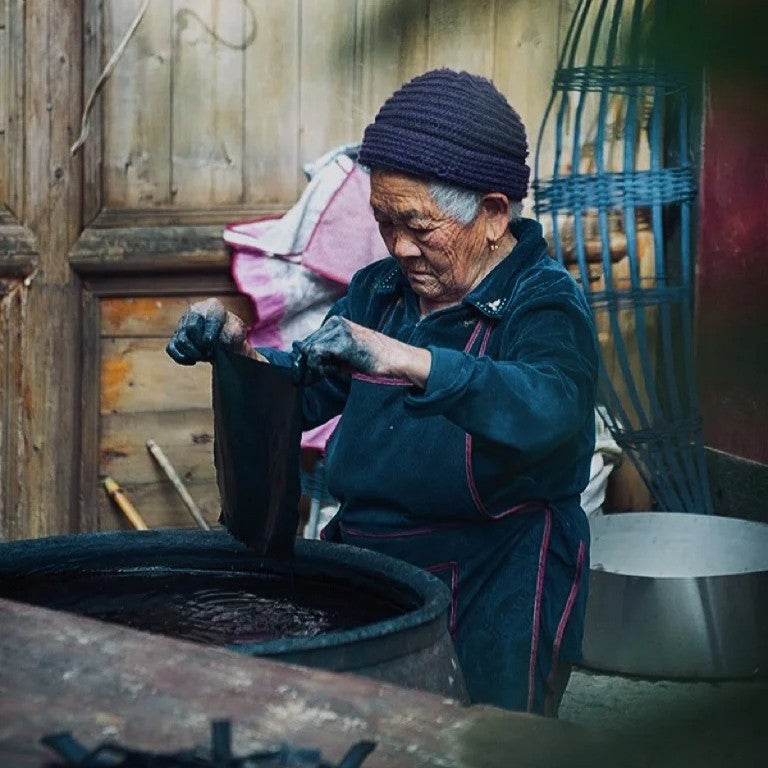
- Cold Indigo Dyeing: The waxed cloth is submerged repeatedly in cold fermentation dye vats made from Strobilanthes cusia (indigo) plants. Repeated immersions over days build rich, deep blue tones without melting the wax.
- Dewaxing: The dyed fabric is boiled in pure water to melt away the wax, unveiling crisp white lines against the deep indigo background. The melted wax is skimmed off the water and recycled for future pieces.
Why indigo is central to the look
Indigo is more than a color in Miao batik; it is a living craft tradition. Artisans cultivate indigo plants on mountain terraces, fermenting the leaves with mountain water, plant ash, and rice wine to maintain living dye vats.
Natural indigo creates an optical depth that synthetic chemical dyes cannot duplicate. Under natural light, plant indigo reflects gentle purplish and midnight tones that age gracefully over time, softening into an attractive vintage patina.
Common Miao batik symbols
Traditional motifs in Miao batik are deeply symbolic and connected to creation legends, nature, and community life. If you want a complete visual decoding of all motifs, read our dedicated guide on Miao batik pattern meanings.
| Symbol | Cultural Meaning | Typical Placement |
|---|---|---|
| Butterfly Mother (Mai Bang) | Creation ancestor, fertility, maternal care, and protection. Read the Butterfly Mother legend. | Central medallions on baby carriers and heirloom tapestries. |
| Birds (Jiwei Bird) | Nurturing spirit, messenger between heaven and earth. | Sleeve bands, chest panels, and wall decor. |
| Fish and Water Motifs | Abundance, harvest prosperity, and family continuity. | Borders, table runners, and household textiles. |
| Bronze Drum Spirals | Solar energy, ancestor veneration, and seasonal cycles. | Circular tapestries and festival skirts. |
Miao batik vs printed batik-style fabric
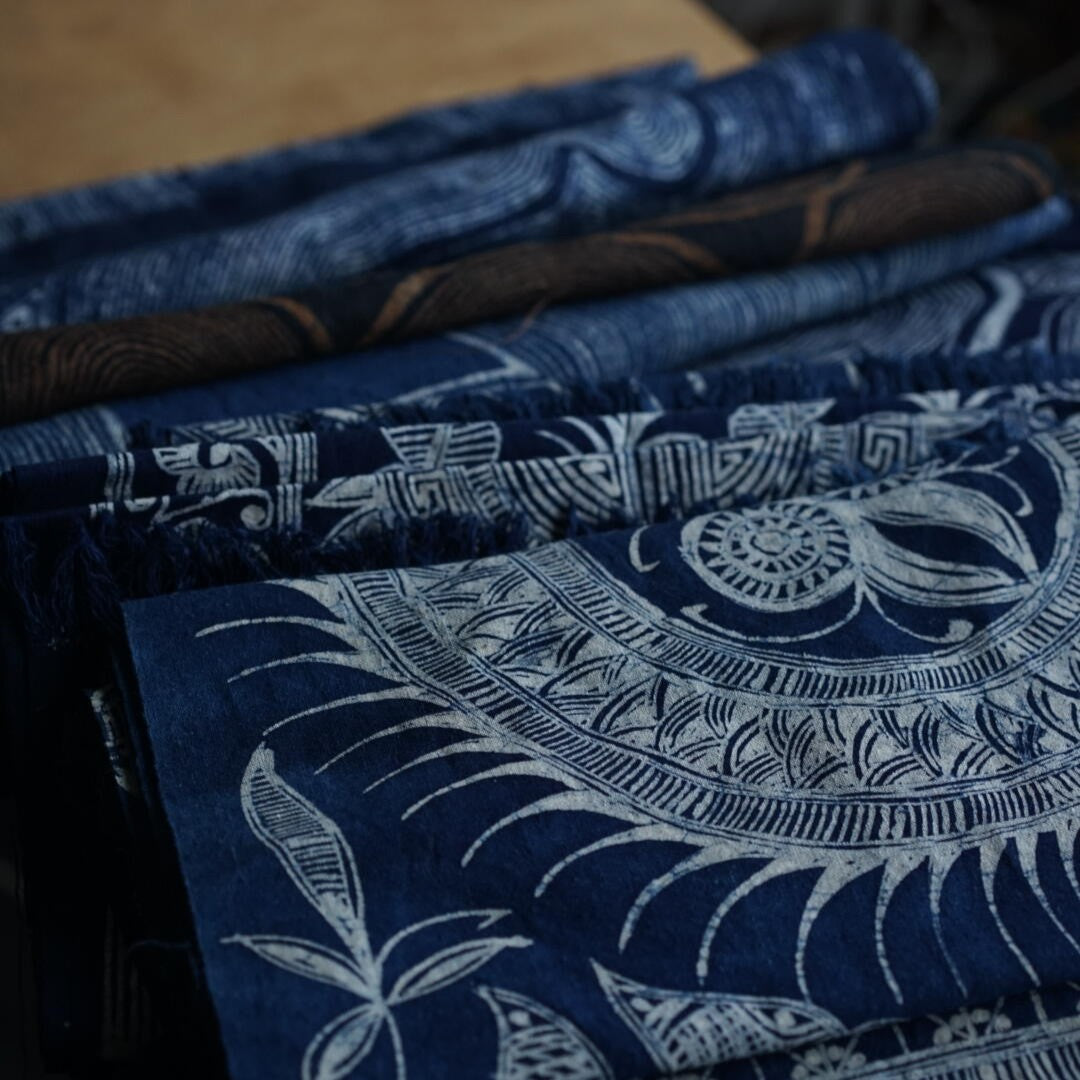
Distinguishing authentic handmade Miao batik from factory-printed fabric is straightforward when you examine the details. For an in-depth visual comparison, check our detailed guide on how to tell handmade Miao batik from printed fabric:
- Two-Sided Pattern Penetration: Authentic batik allows wax and indigo dye to penetrate through the fabric, showing the pattern vividly on both sides. Printed fabrics usually have a pale or blank back side.
- Handmade Line Variation: Hand-drawn copper knife lines show natural human rhythm and slight variations in thickness. Machine prints look rigid and repetitively uniform.
- Organic Scent: Naturally dyed indigo cloth carries a mild, pleasant herbal aroma rather than industrial chemical fumes.
What is the ice crack effect?
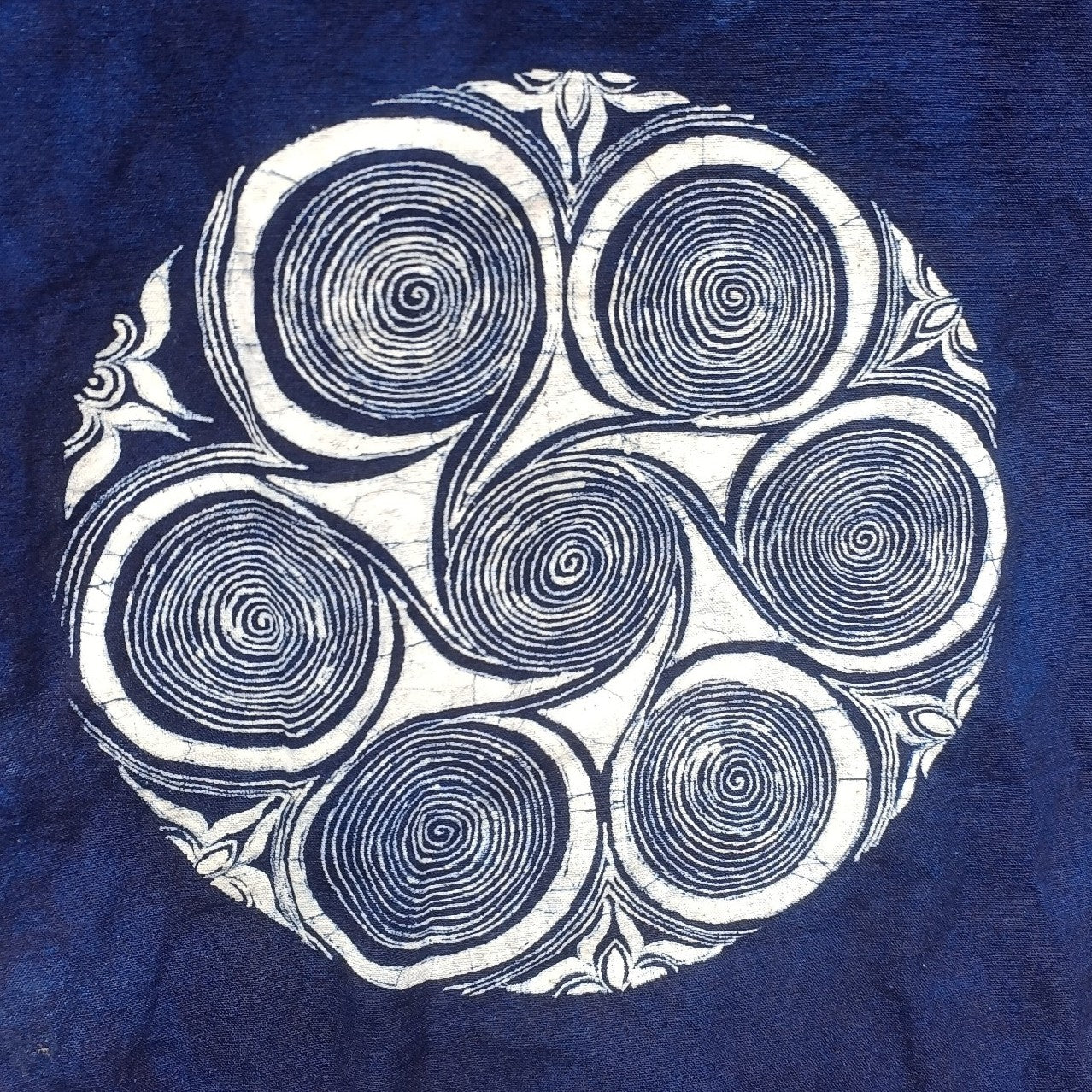
The "ice crack effect" (冰裂纹) is the hallmark characteristic of authentic wax-resist textiles. During the cold dyeing process, the hardened wax cracks naturally as the cloth is handled and immersed in the dye vats. To explore this phenomenon in depth, see What is the ice crack effect in Miao batik?.
Indigo dye seeps into these fine hairline fractures, creating organic web-like blue veins across the white pattern areas. Because each crack forms naturally based on temperature and fabric movement, no two handmade batik pieces are ever identical.
How Miao batik is used today
While traditionally crafted for clothing and ceremonial dress, modern Miao batik has become popular for interior styling and everyday accessories:
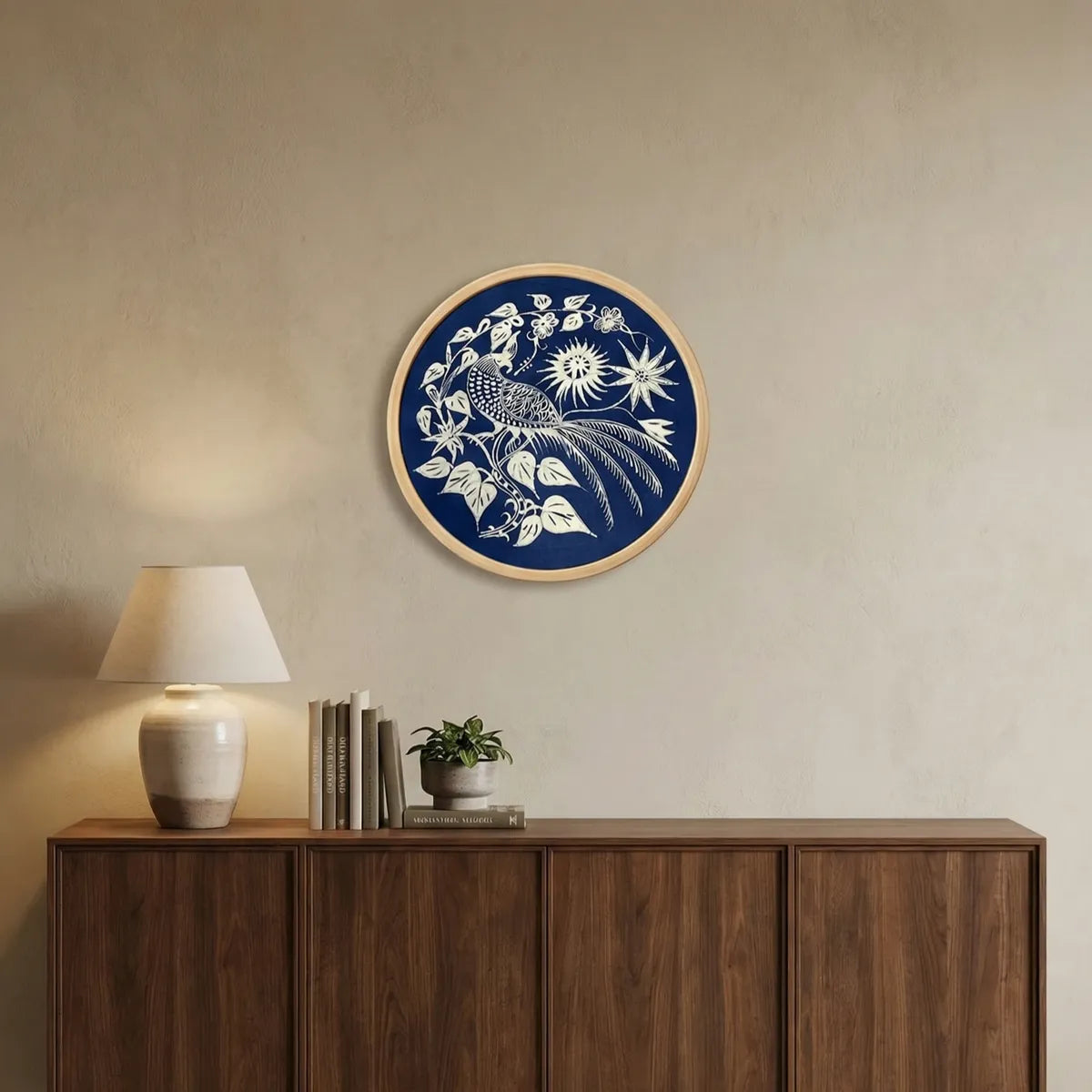
- Wall Art & Tapestries: Framed batik panels or hanging tapestries add handcrafted texture and cultural warmth to modern living rooms, dining spaces, and bedrooms. Explore our batik wall art collection.
- Table Runners: Indigo table runners bring artisanal character to wooden dining and coffee tables.
- Everyday Bags & Accessories: Tote bags, pouches, and scarves let people carry living textile heritage into daily modern wear.
Featured Authentic Artisan Batik Creations
Explore handcrafted artisan pieces created by master wax-resist craftswomen in the mountain villages of Guizhou:
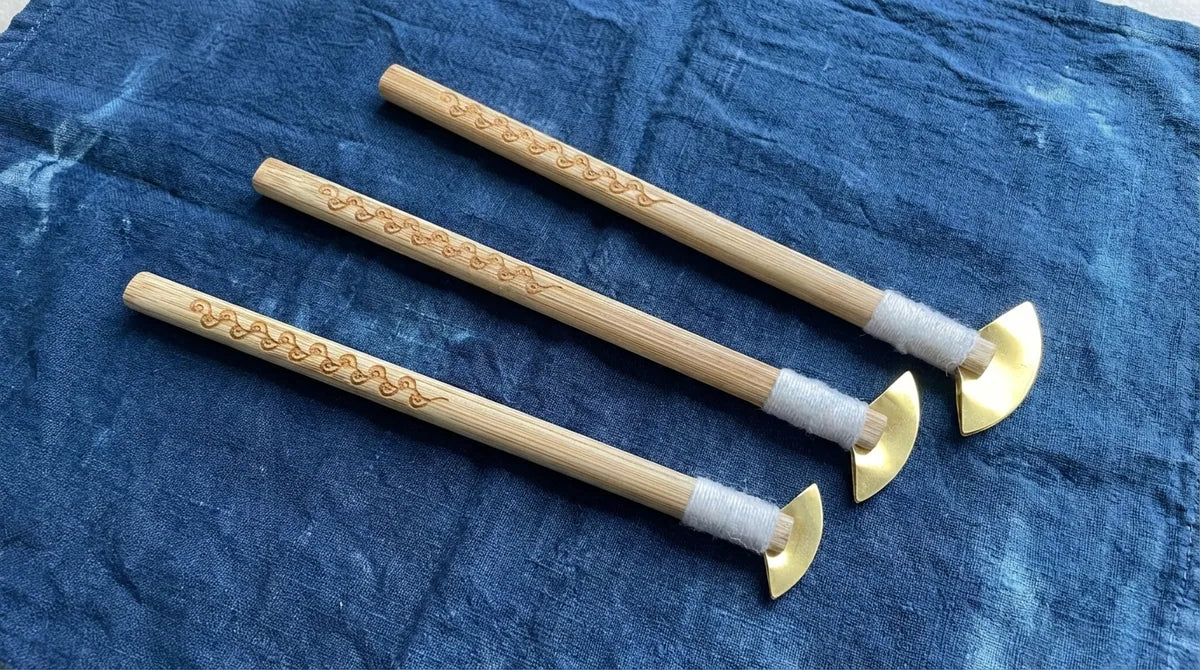
Traditional Miao Batik Copper Wax Knife (Ladao)
Authentic hand-forged dual-blade copper spatula tool for freehand hot wax illustration.
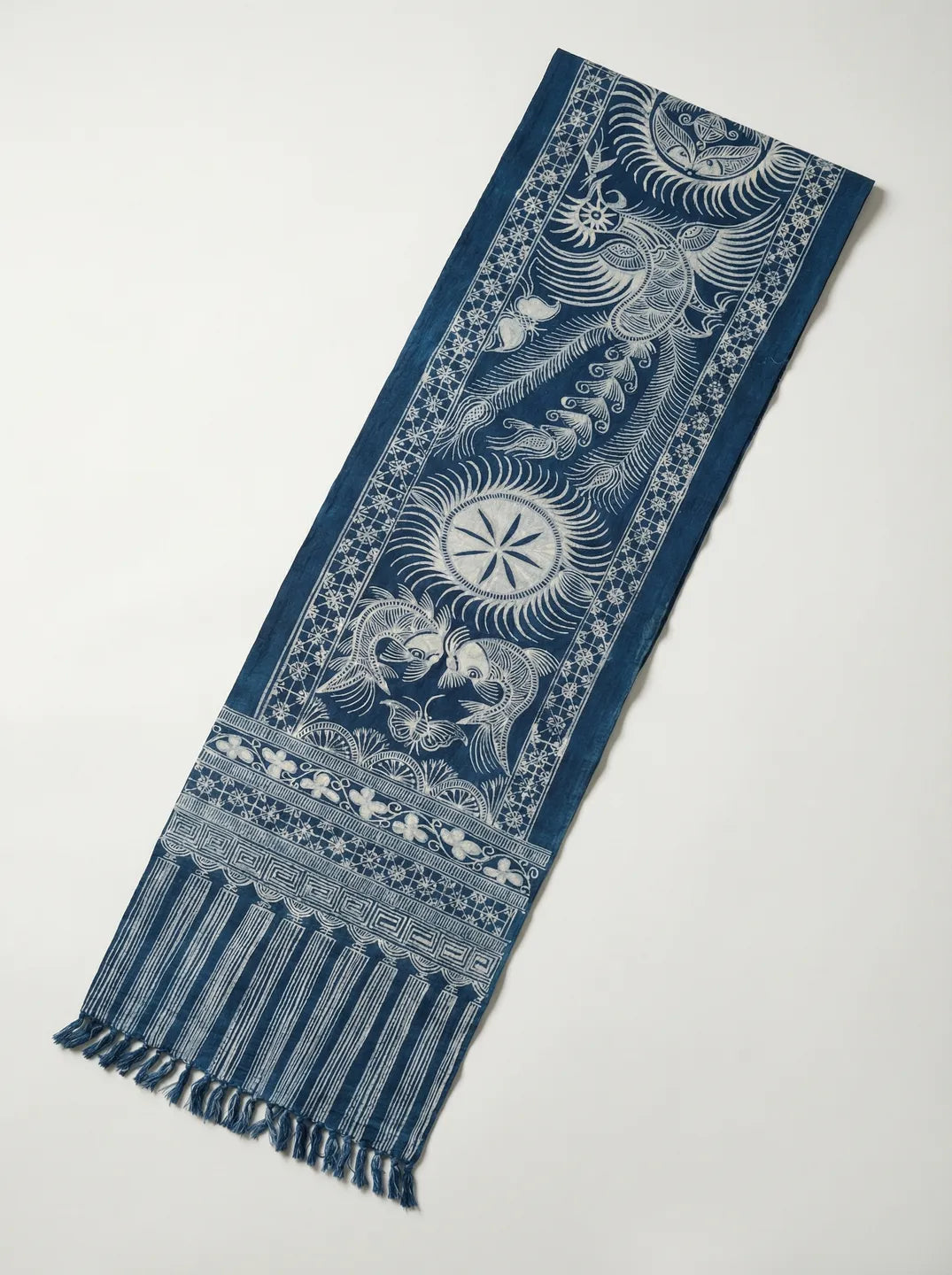
Handmade Miao Batik Indigo Table Runner
Natural plant-indigo dyed table runner handcrafted with traditional botanical motifs.
Why Miao batik matters for cultural search
Miao batik brings together cloth, wax drawing and dyeing. Materials and workshop practices vary, so check the making details of the individual textile rather than assuming an environmental benefit from the craft name.
For external historical reference, see Britannica's overview of the Miao and Britannica's batik explanation. Supporting authentic handmade pieces helps preserve village livelihoods and keeps this two-thousand-year-old living art tradition thriving.
Frequently asked questions
Is Miao batik the same as Chinese batik?
Miao batik is a traditional Chinese wax-resist dyeing craft (蜡染), known for patterns drawn with a copper wax knife. Miao batik techniques from Danzhai, Guizhou, were included in China’s national intangible cultural heritage list in 2006.
Where is Miao batik from?
Miao batik originates primarily from the mountainous province of Guizhou in southwest China, with iconic centers of craft in Danzhai, Anshun, Kaili, and Rongjiang.
What tool is used to make Miao batik?
Artisans use a traditional copper wax knife called a Ladao (蜡刀), crafted with two flexible copper blades bound to a bamboo handle. Learn more in our Miao batik tool guide.
Is handmade Miao batik good for wall art?
Yes. Because of its bold indigo contrast, fine ice crack veins, and rich cultural symbolism, handmade Miao batik makes striking, conversation-starting wall tapestries in contemporary, Japandi, and bohemian interiors. Explore our batik wall art.
What is the easiest first Miao batik piece to buy?
A framed batik wall hanging, a dining table runner, or a hand-forged copper wax knife is the ideal first purchase. They offer an accessible entry into the craft while showcasing authentic natural indigo and artisan handwork.