
The Miao people (苗族) are one of the oldest recognized indigenous ethnic groups in East and Southeast Asia, with a documented history spanning over 4,000 years. Tracing their legendary lineage to the ancient chieftain Chi You (蚩尤) and the Sanmiao kingdoms of the Yangtze River basin, the Miao number over 11 million people in southwest China (primarily in Guizhou, Hunan, and Yunnan), alongside related Hmong communities in Vietnam, Laos, Thailand, and global diaspora communities in the United States and France. They are renowned worldwide for monumental hand-forged silver ornaments, wax-resist indigo batik, and master embroidery traditions that preserve ancestral migration history without a written alphabet.
Who are the Miao people?
The Miao are an ancient ethnolinguistic group recognized as China's fifth-largest minority nationality. Their early origins date back to the Neolithic Daxi and Qujialing cultures along the central Yangtze and Yellow River valleys. In foundational Chinese historical texts such as the Records of the Grand Historian (Shiji), the ancestors of the Miao are connected with the legendary Nine Li (Jiuli) tribal confederation led by Chi You (for academic and historical context, refer to Britannica's Miao overview and Hmong history).
Following ancient prehistoric battles against the Yellow Emperor (Huangdi) and Yan Emperor over fertile central agricultural plains, the ancestral Miao began a millennia-long series of southward migrations. Navigating river gorges and dense mountain forests, they established resilient agrarian communities throughout the remote karst highlands of Guizhou, Sichuan, Guangxi, and Yunnan. Today, the Miao population in China exceeds 11 million, celebrated for strong village self-governance, rich oral poetry, and distinct seasonal festivals (learn more in our guide on What is Miaozu culture?).
Miao and Hmong: are they the same?
One of the most frequent questions from international readers is the relationship between the terms "Miao" and "Hmong." While the two groups share deep genetic, linguistic, and cultural roots, the terms reflect different historical and geographic contexts:
| Category | The Miao (苗族 / Miaozu) | The Hmong (Hmoob) |
|---|---|---|
| Geographic Scope | Primarily within southwest China (Guizhou, Hunan, Yunnan, Guangxi, Chongqing). | Southeast Asia (Vietnam, Laos, Thailand, Myanmar) and global diaspora (USA, France, Australia). |
| Linguistic Branch | Encompasses three major dialect branches: Hmongic (Western), Hmu (Central), and Qo Xiong (Eastern). | Belongs specifically to the Western Hmongic branch (First dialect sub-group). |
| Textile Traditions | Celebrated for ancient split-silk embroidery, tin-thread work, and monumental silver headpieces. | Renowned for narrative Paj Ntaub "Story Cloths," reverse appliqué, and cross-stitch panels. |
| Usage Context | Official legal ethnic classification in the People's Republic of China. | Self-designation preferred by Western Hmongic speaking communities worldwide. |
In summary: all Hmong people are linguistically and historically part of the broader Miao ethnolinguistic family, but not all Miao subgroups identify as Hmong. Groups such as the Hmu of eastern Guizhou or the Qo Xiong of western Hunan have their own distinct dialects and customs that differ from Hmong traditions. To see how these craft traditions evolved across borders, explore our comparison on Chinese Miao vs Vietnamese Hmong batik.
Where do Miao communities live?
The vast majority of the world's Miao population resides in southwest China, with over 40% concentrated in the province of Guizhou—often regarded as the cultural heartland of traditional Miao arts. Key regions include:
- Qiandongnan Miao & Dong Autonomous Prefecture (Guizhou): Home to iconic settlements like Xijiang Qianhu Miao Village (the world's largest Miao village), Langde Upper Village, and Danzhai. This region is the global epicenter for traditional batik dyeing, festival lusheng dancing, and master silversmithing.
- Xiangxi Prefecture (Hunan): Inhabited primarily by the Eastern Miao (Qo Xiong), known for flower-band embroidery and historic riverfront stone architecture.
- Wenshan & Honghe Prefectures (Yunnan): Home to diverse Flowery Miao and White Miao communities along the southern borders.
- Southeast Asian Highlands: Starting in the late 18th century, thousands of Hmong families migrated across the borders into the northern mountains of Vietnam (Sa Pa, Ha Giang), Laos (Xieng Khouang), and Thailand (Chiang Mai).
Language and local identity
The Miao languages belong to the Hmong-Mien (Miao-Yao) language family. Rather than a single uniform tongue, the language divides into three major, mutually unintelligible dialect groups:
- Eastern Miao (Qo Xiong): Spoken in western Hunan and eastern Guizhou.
- Central Miao (Hmu / Gha Ne): Spoken in southeastern Guizhou (Qiandongnan), where ancient epic balladry is recited in solemn rhymed verse.
- Western Miao (Hmong / A Hmao): Spoken in western Guizhou, Sichuan, Yunnan, and throughout Southeast Asia and the diaspora.
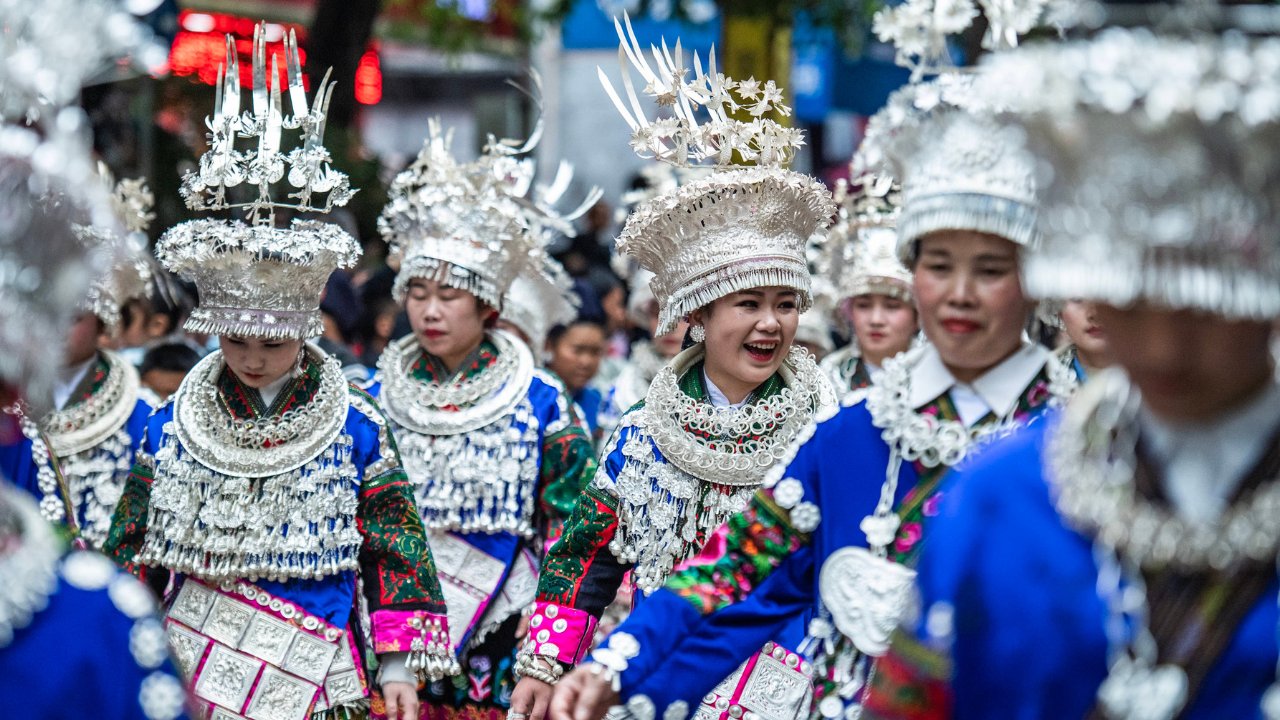
Because historical migrations separated communities across steep mountain ridges, distinct clothing styles emerged as visual badges of clan identity. Historically, subgroups were often named descriptively by neighboring Han historians according to their traditional costume colors and headdress forms: Black Miao (Hei Miao), Red Miao (Hong Miao), Flowery Miao (Hua Miao), White Miao (Bai Miao), and Long-horn Miao (Changjiao Miao).
What is Miao culture known for?
Miao culture is defined by an extraordinary harmony between artistic expression, agricultural cycles, and animist reverence for nature. Key cultural cornerstones include:
- Grand Village Festivals: The Guzang Festival (Drum Sacrifice Feast held every 13 years), the Lusheng Festival (early spring courtship dance), and the Sisters' Meal Festival gather entire river valleys for communal dining and circle dancing.
- The Lusheng (芦笙): A traditional free-reed bamboo wind instrument featuring multiple pipes fitted into a wooden windchest. Master players perform complex polyphonic melodies while simultaneously executing athletic dance steps.
- Oral Literature (Miao Epic Songs): Without an ancient writing system, history, cosmology, and legal codes were memorized in epic poems thousands of lines long, sung by village elders during weddings, funerals, and festival feasts.
- Stilt House Architecture (Diaojiaolou): Multi-story wooden dwellings built without a single iron nail, constructed on steep mountain slopes with cantilevered pillars to stay dry above mountain runoff.
Miao batik, embroidery, and silverwork
Among all indigenous craft traditions in Asia, the Miao are internationally acclaimed for what scholars call the "Triad of Miao Decorative Arts":
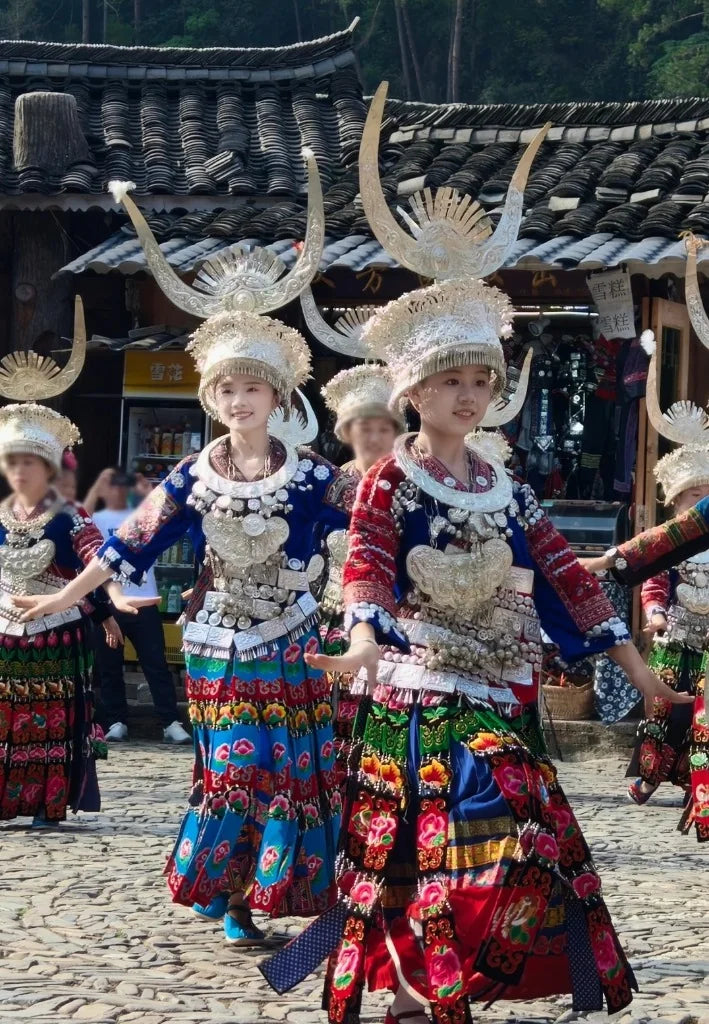
- Miao Silverwork: Forged from white copper alloys and heirloom silver using repoussé hammering and filigree wire drawing. Women wear magnificent buffalo-horn crowns, layered neck torcs, and ringing bells that chime during festival dances.
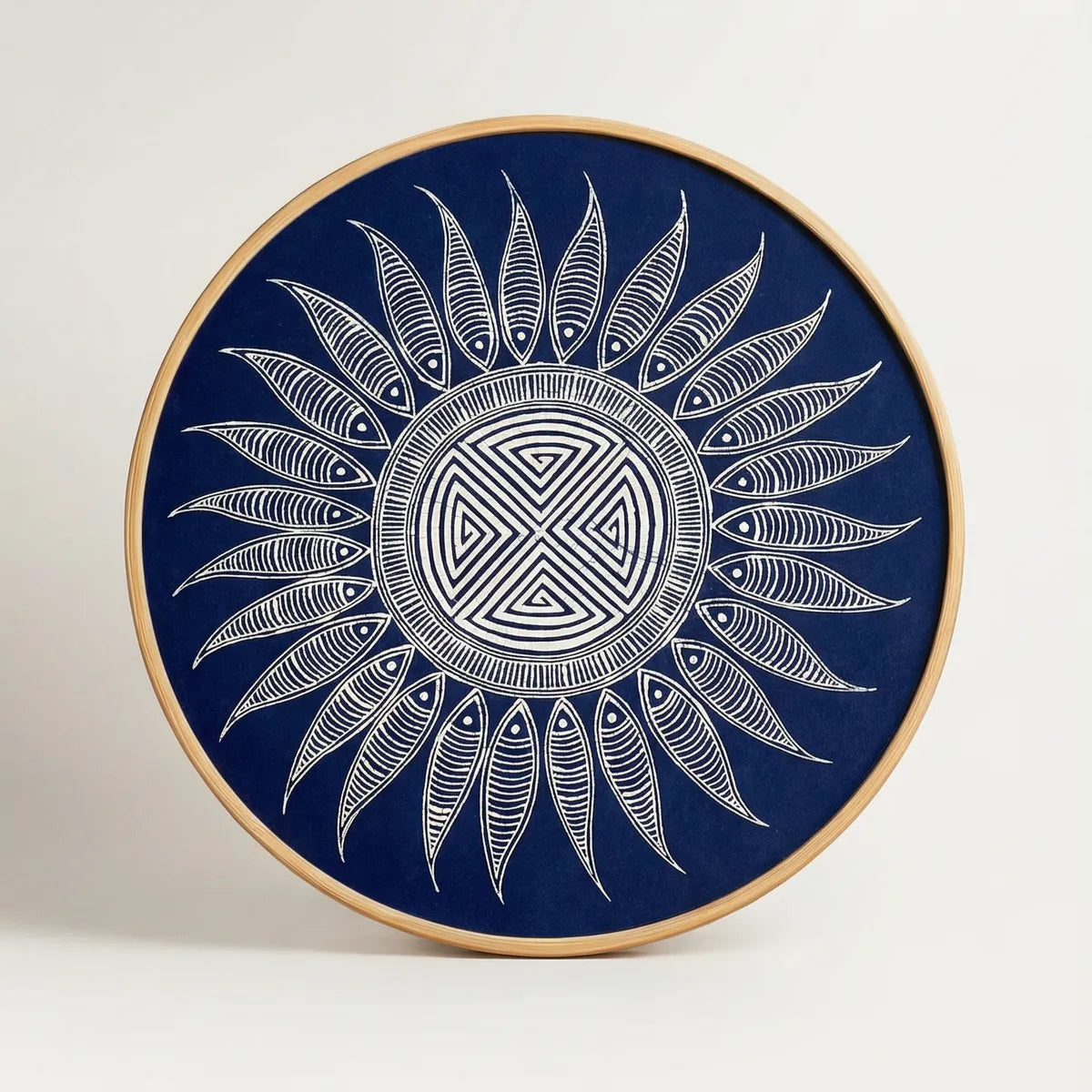
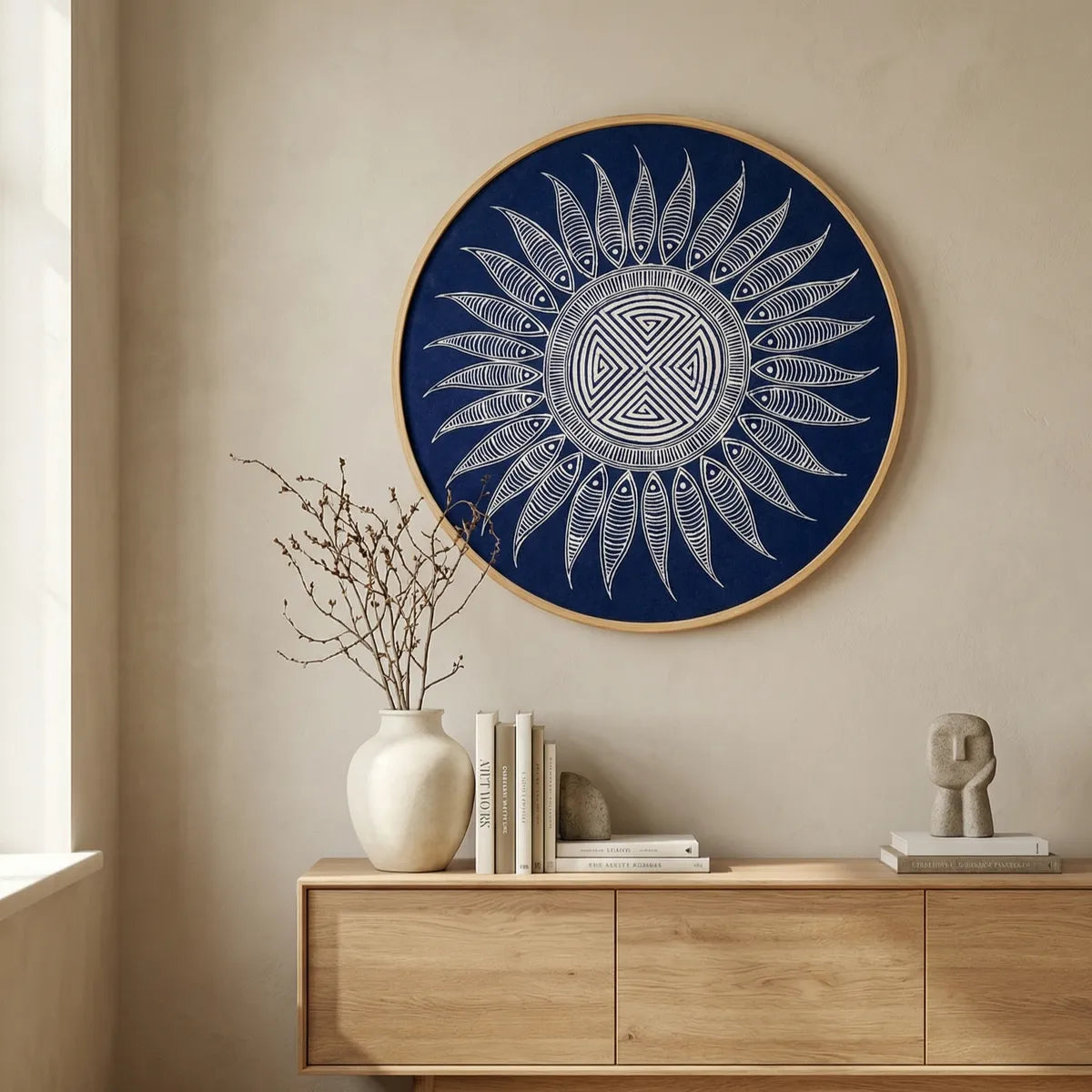
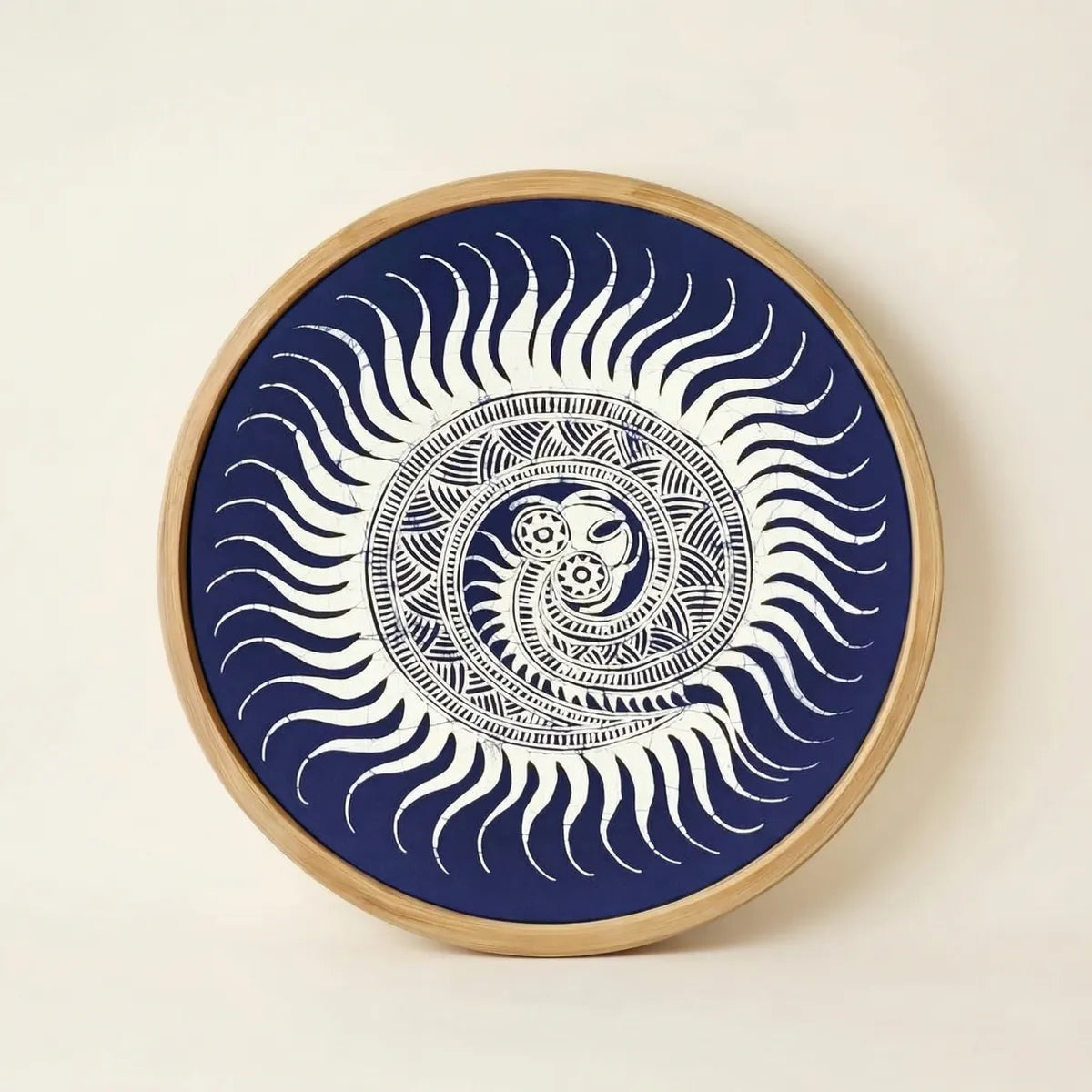
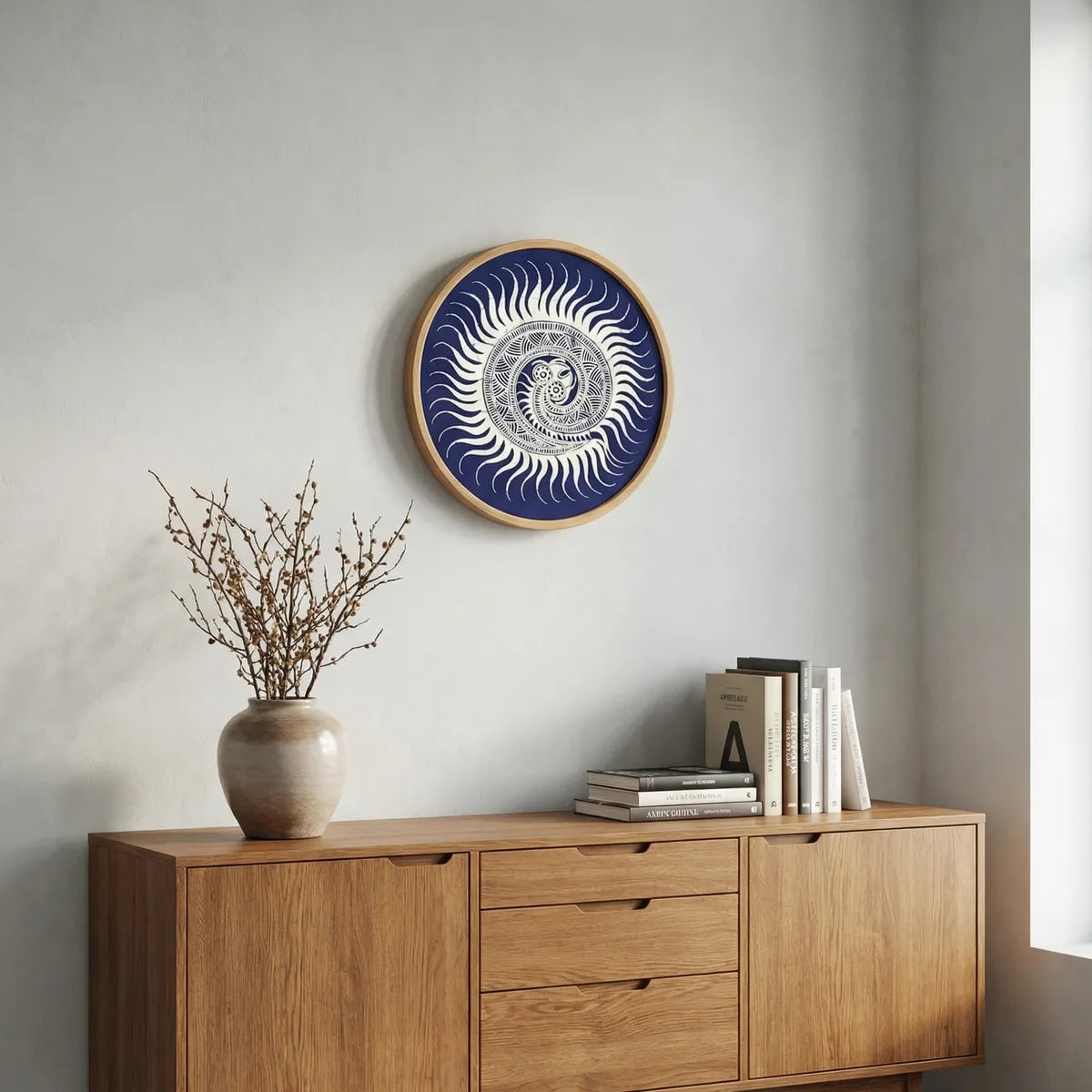
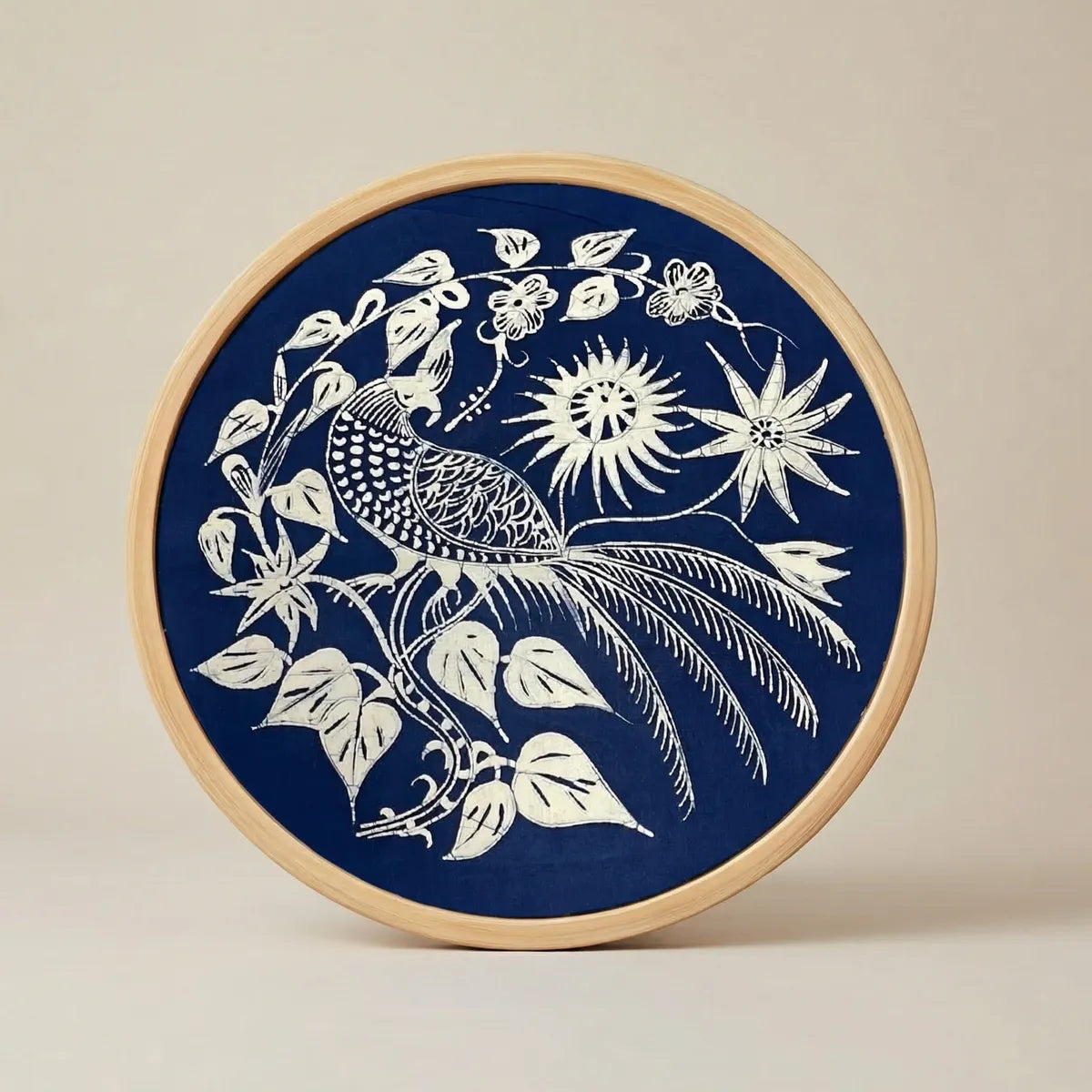
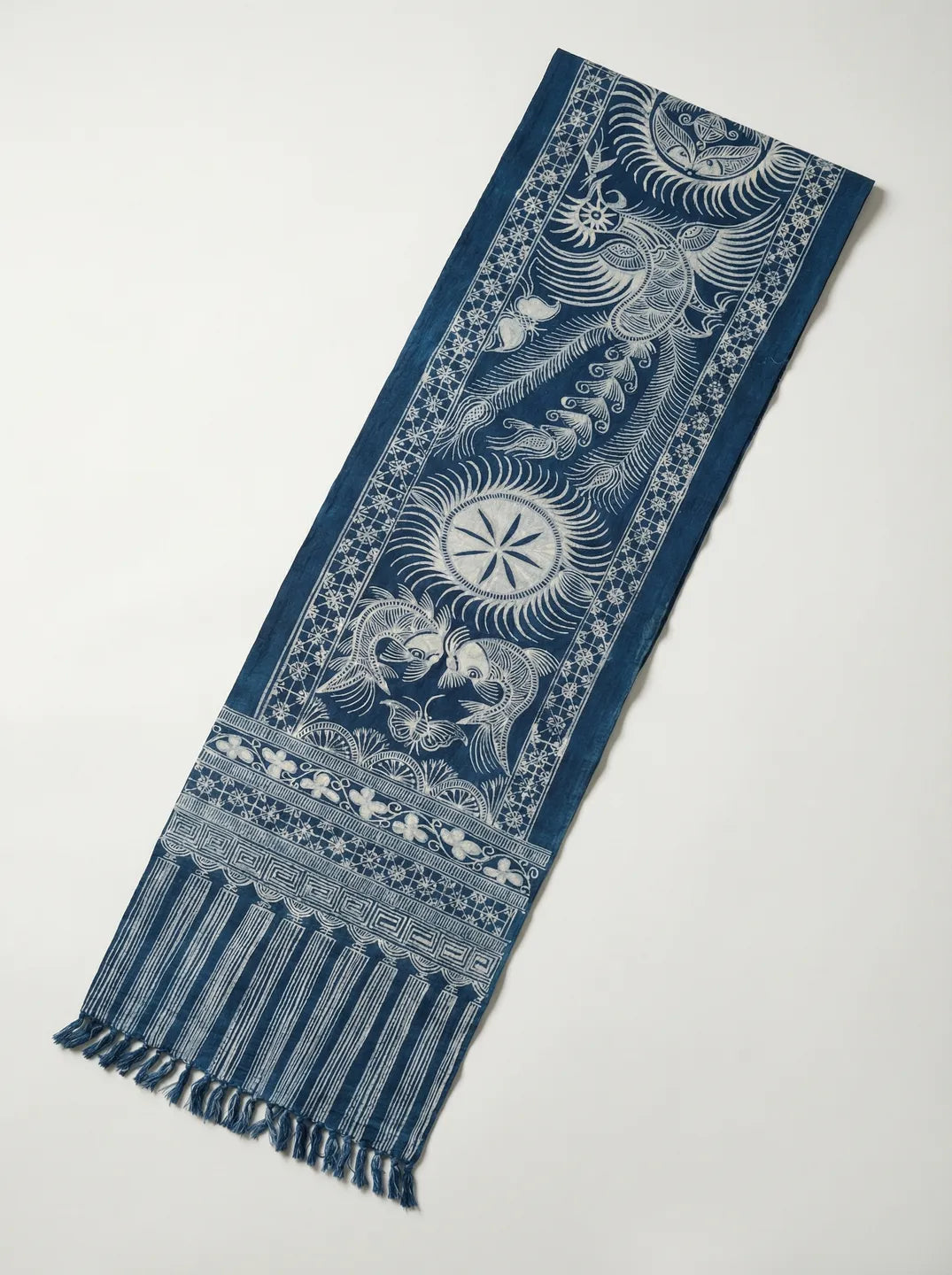
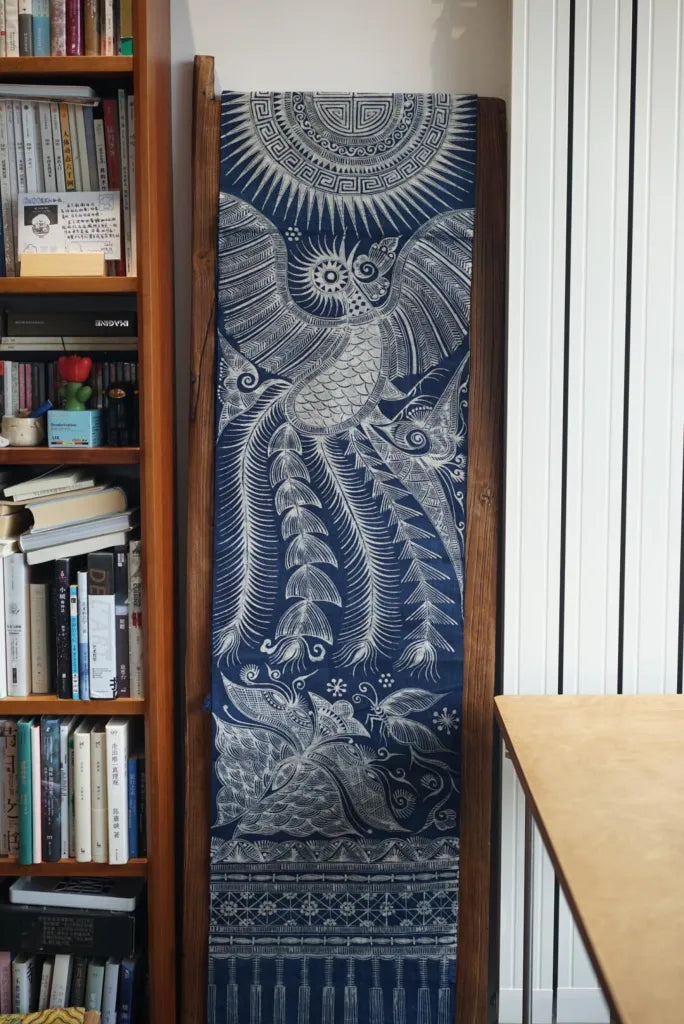
- Wax-Resist Indigo Batik: Using heated beeswax and copper scrapers (Ladao), artisans draw geometric spirals, water dragons, and the Butterfly Mother directly on cotton fabric before dipping in fermented indigo vats.
- Miao Embroidery: Renowned as a "wearable history book," utilizing over a dozen distinct stitching methods (including split-silk Po Xian Xiu, tin-thread embroidery, and braid embroidery) to record ancient clan river crossings and ancestral myths.
Featured Authentic Artisan Crafts of the Miao
Discover authentic handcrafted pieces created by skilled artisans from the Miao mountain villages of Guizhou:
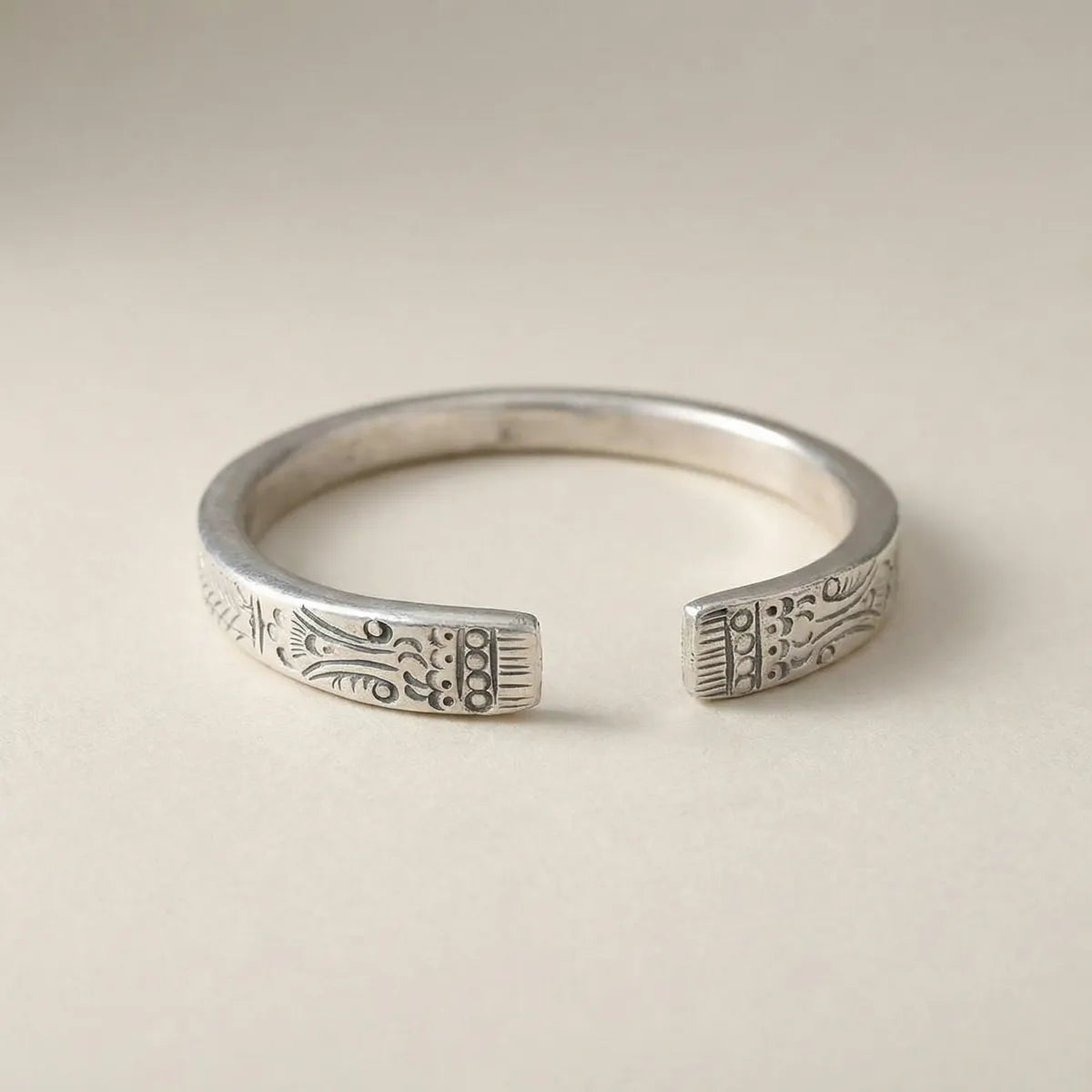
Traditional Miao Silver Wide Cuff Bracelet
Hand-Chased Statement Silver
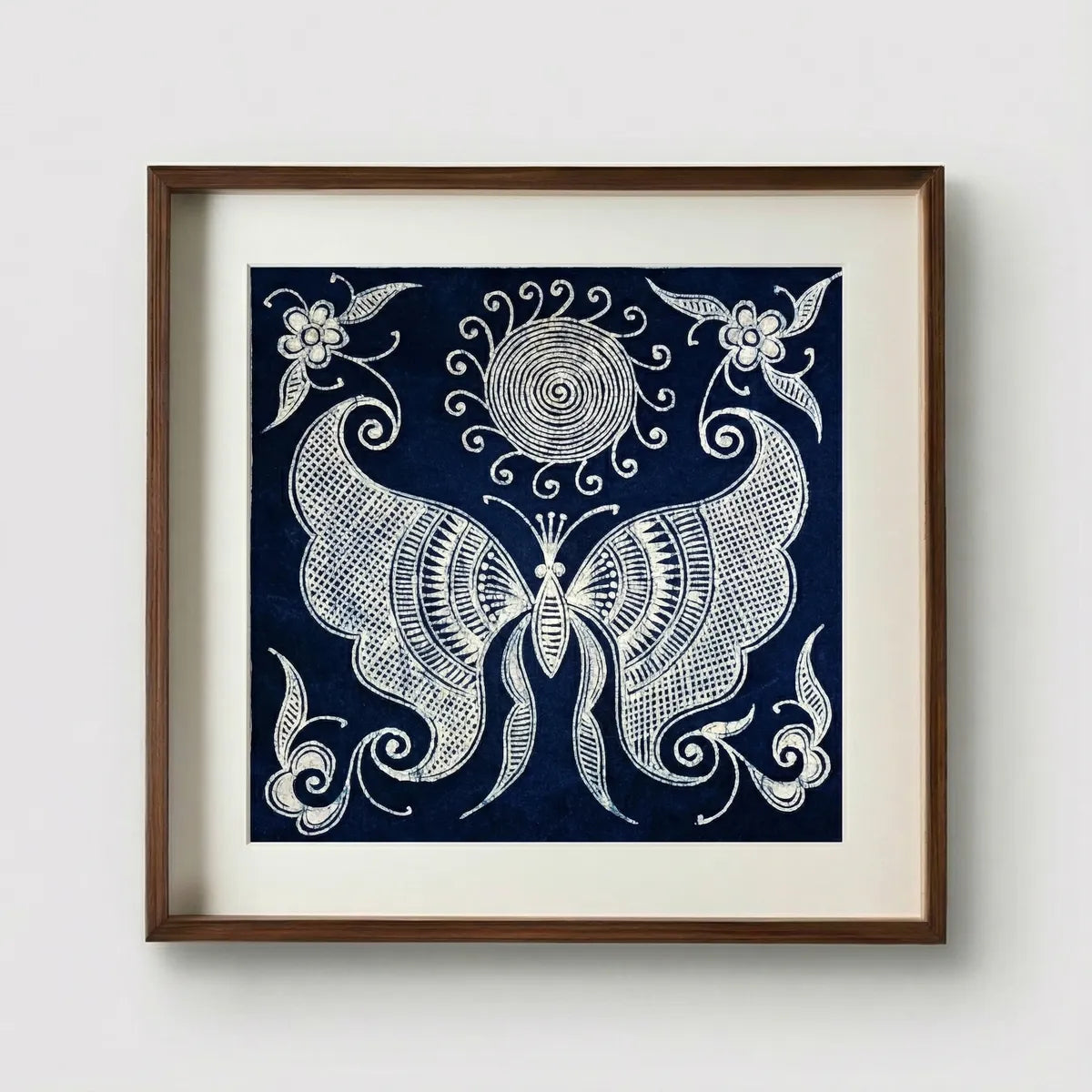
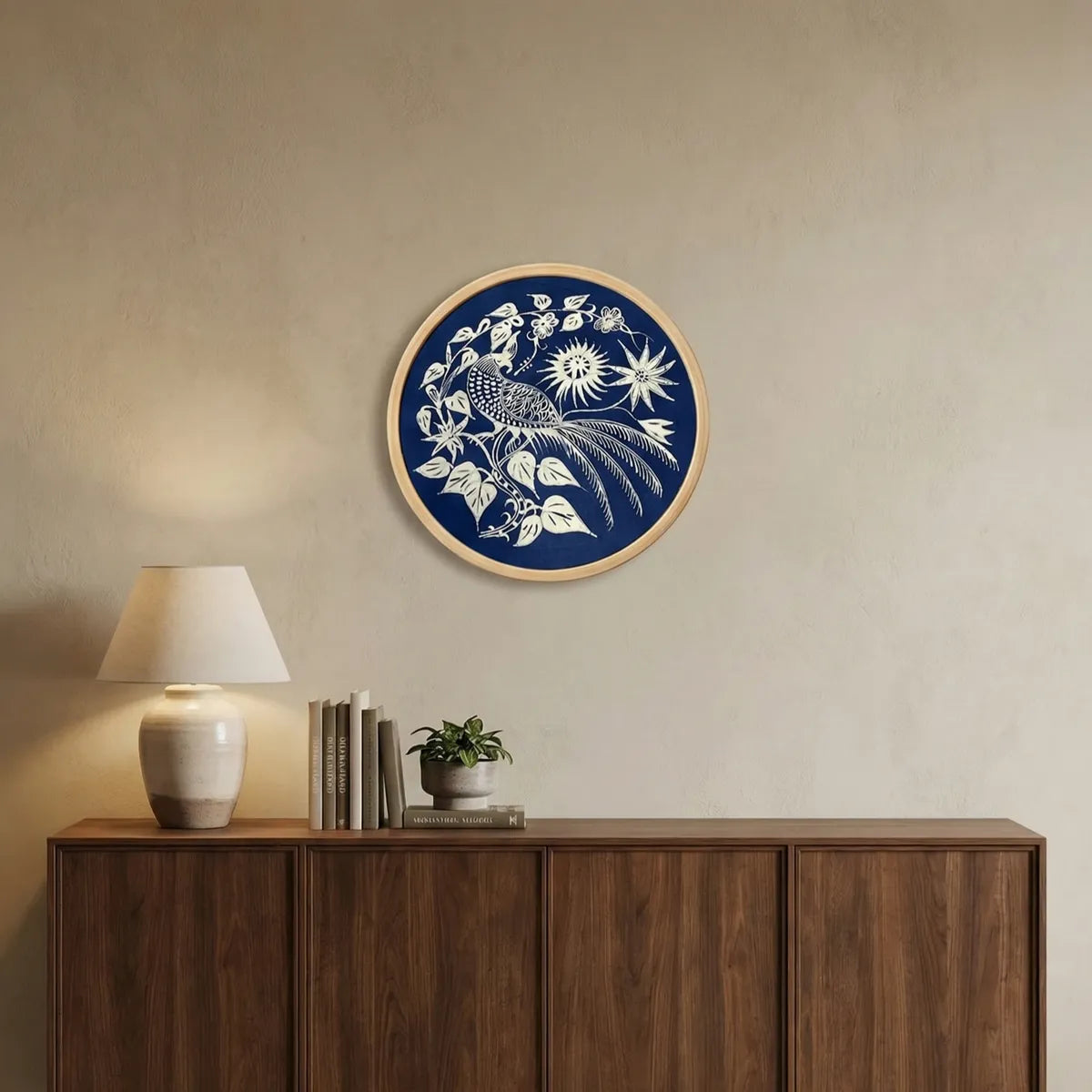
Handmade Miao Batik Butterfly Mother Tapestry
Indigo Wax-Resist Wall Art
Common misconceptions about the Miao people
Misconception 1: Miao is only another word for Hmong
While closely connected, the terms are not identical. "Miao" is the broad overarching cultural and official ethnic category encompassing millions of people across three major linguistic groups in China, whereas "Hmong" refers specifically to members of the Western Hmongic branch.
Misconception 2: Miao culture is one uniform style
Miao cultural expression varies dramatically across different regions. A Miao woman from southeastern Guizhou wears silver horns, dark indigo-dyed pleated skirts, and split-silk embroidery, while a Long-horn Miao woman from western Guizhou styles her hair around a giant wooden horn dressed in geometric cross-stitch.
Misconception 3: Miao craft is only decorative
The symbols found in Miao textiles and jewelry are not random patterns. Every wave line represents a river crossed during ancient migrations; every butterfly honors the supreme creation deity; every silver bell chimes to ward off negative spirits. Each piece is a functional cultural document.
Why Miao culture is relevant today
Textile and metalwork traditions remain visible in Miao dress and everyday objects. Wax drawing, dyeing, embroidery and metalworking each offer ways to look more closely at the materials and the maker’s work.
By learning about the Miao people and supporting authentic village artisans, contemporary enthusiasts help preserve one of humanity's most vibrant and resilient cultural heritages.
Frequently asked questions
What does Miao mean?
The character Miao (苗) literally translates to "sprout" or "seedling" in Chinese, historically evoking indigenous farming roots connected with rice cultivation in southern river valleys. In contemporary usage, "Miaozu" (苗族) designates the official ethnic group in China.
Are the Miao Chinese?
Yes. Over 95% of the global Miao population lives in China as officially recognized citizens and members of the Miao ethnic minority. Related communities also reside across Southeast Asia and Western diaspora nations.
What are the Miao people known for?
The Miao are internationally famous for monumental ceremonial silver headdresses, wax-resist indigo batik textiles, intricate hand embroidery, lusheng bamboo reed music, and ancient mountain stilt-house villages.
Is Miao batik the same as Hmong batik?
They share the same wax-resist technique and indigo vat dyeing principles. Chinese Miao batik often features bold mythical totems (Butterfly Mother, water dragons, birds) with dense crackle lines, while Southeast Asian Hmong batik frequently emphasizes geometric spirals, cross-hatching, and grid-based skirt patterns.
Who is Chi You in Miao history?
Chi You (蚩尤) is the legendary warrior king and tribal leader regarded in Miao oral history as the supreme founding ancestor of the Miao people, revered for pioneering bronze metalworking and agriculture in ancient China.
What are the main subgroups of the Miao?
The Miao comprise three primary linguistic divisions: Eastern Miao (Qo Xiong), Central Miao (Hmu), and Western Miao (Hmong / A Hmao), with traditional costume distinctions historically known as Black Miao, Flowery Miao, Red Miao, White Miao, and Long-horn Miao.