
The short answer
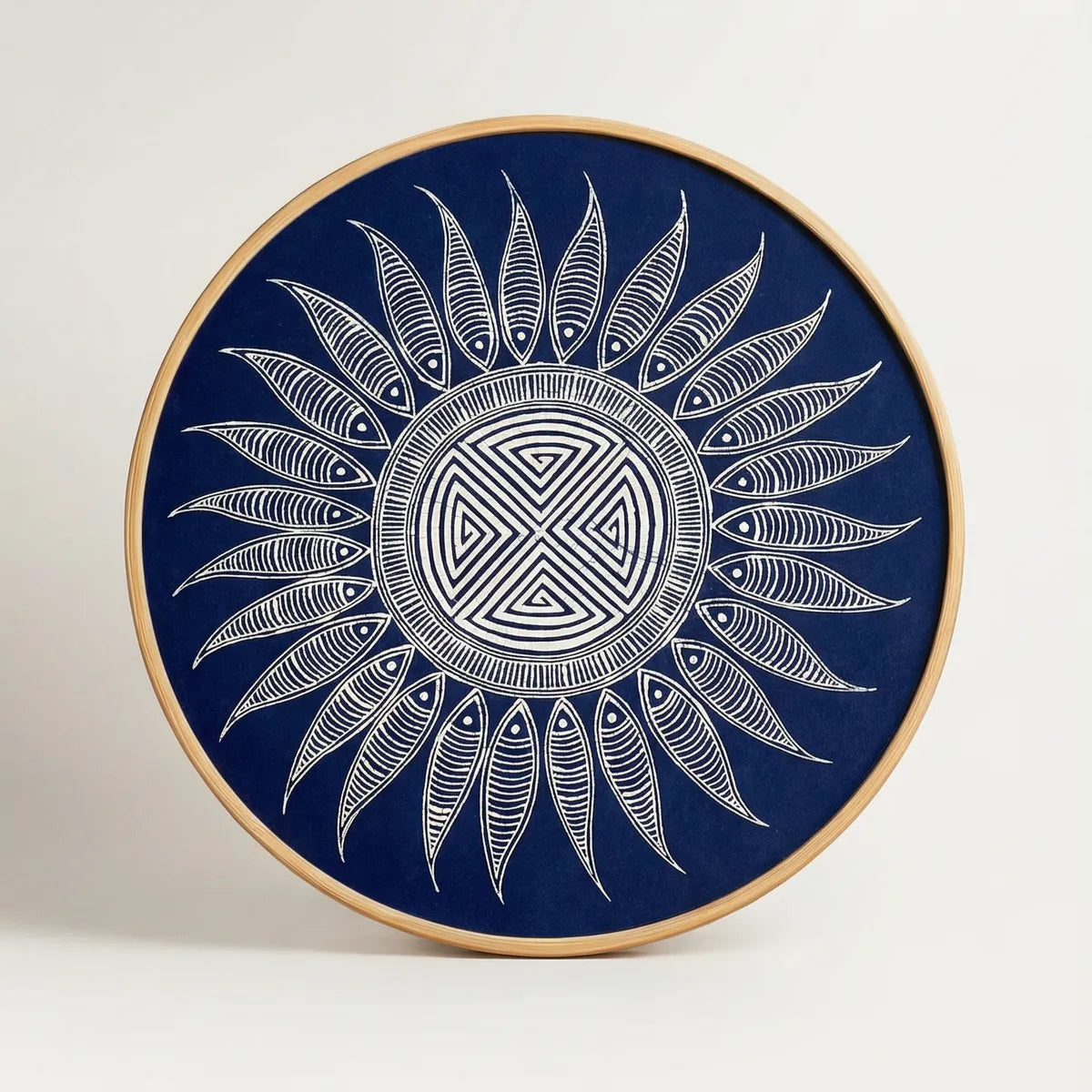
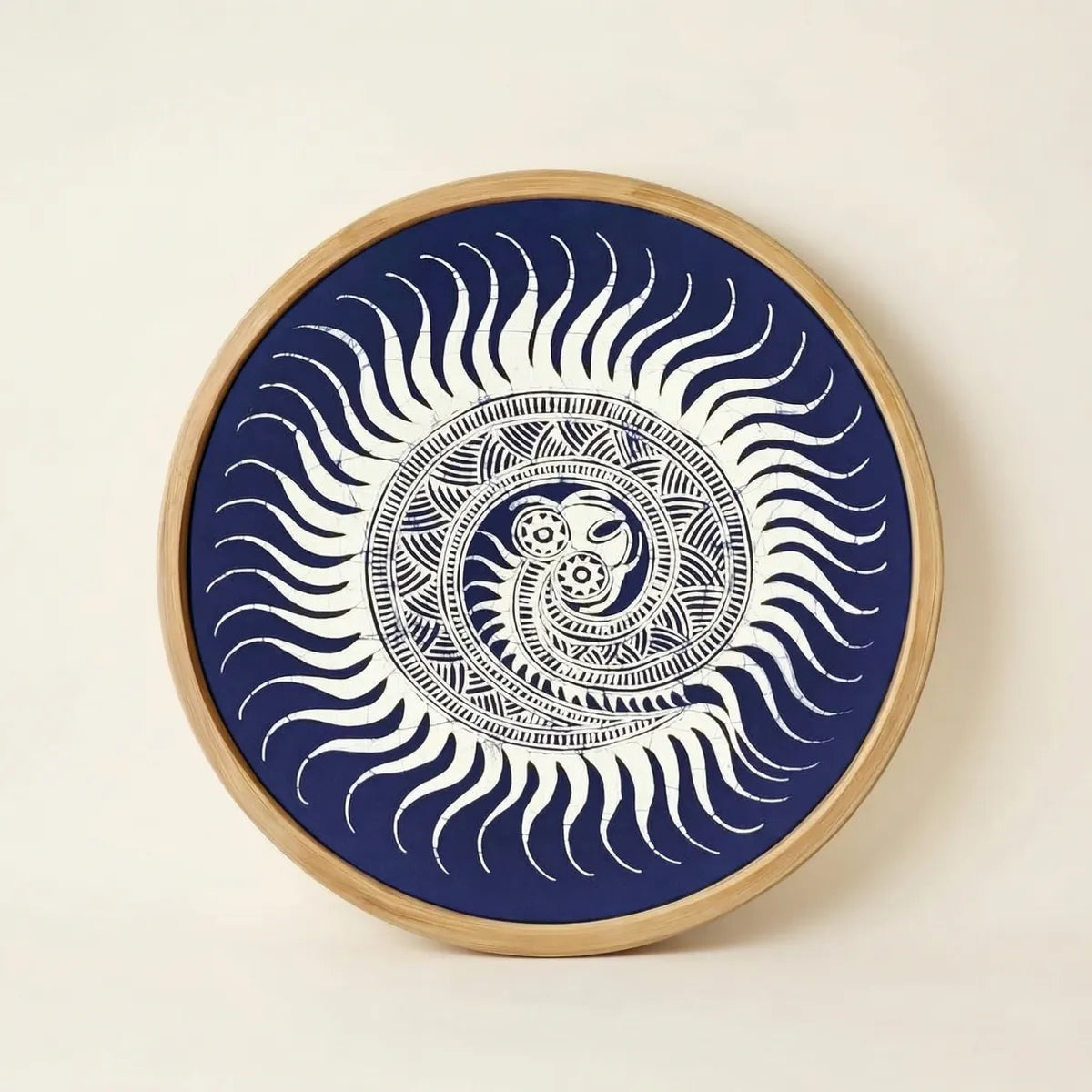
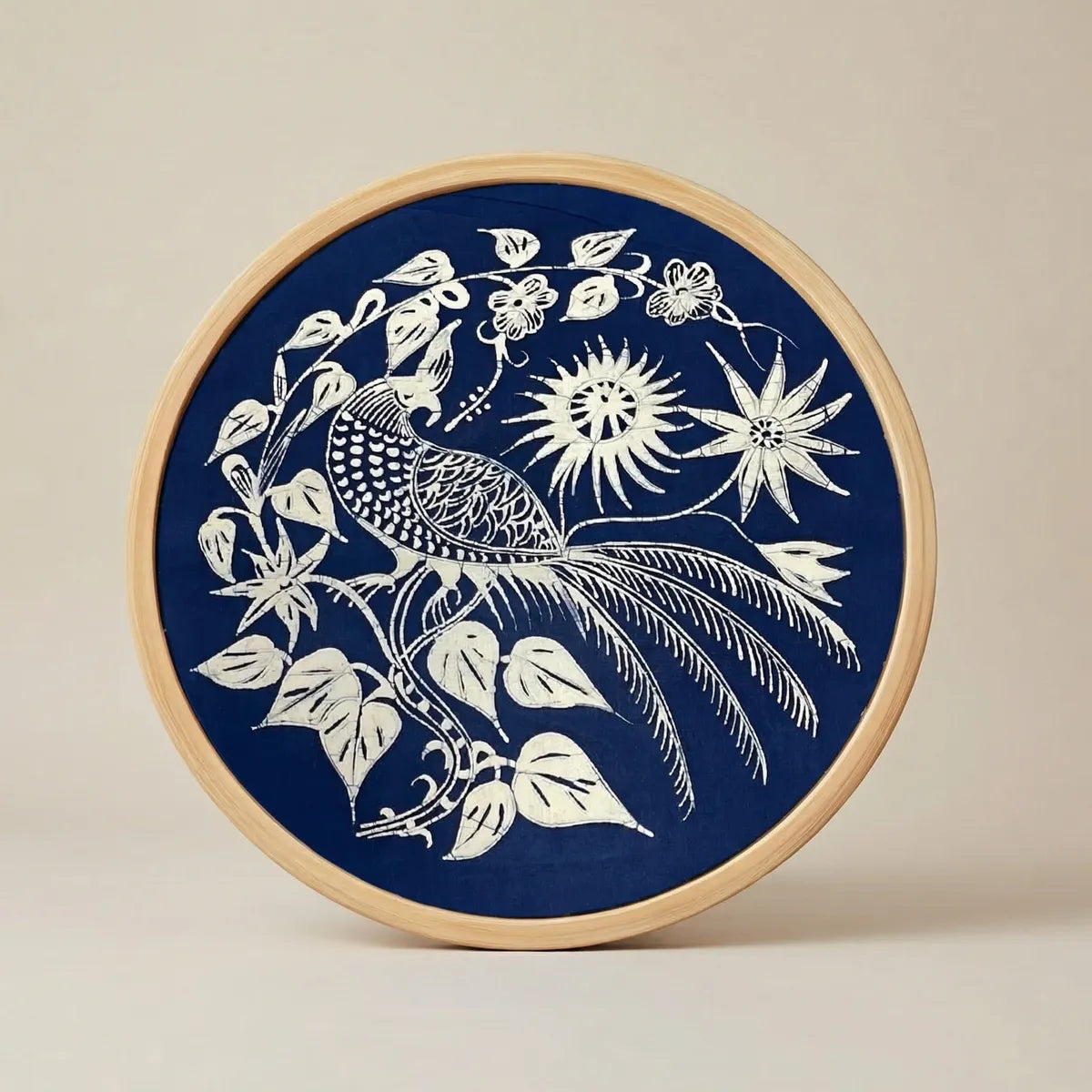
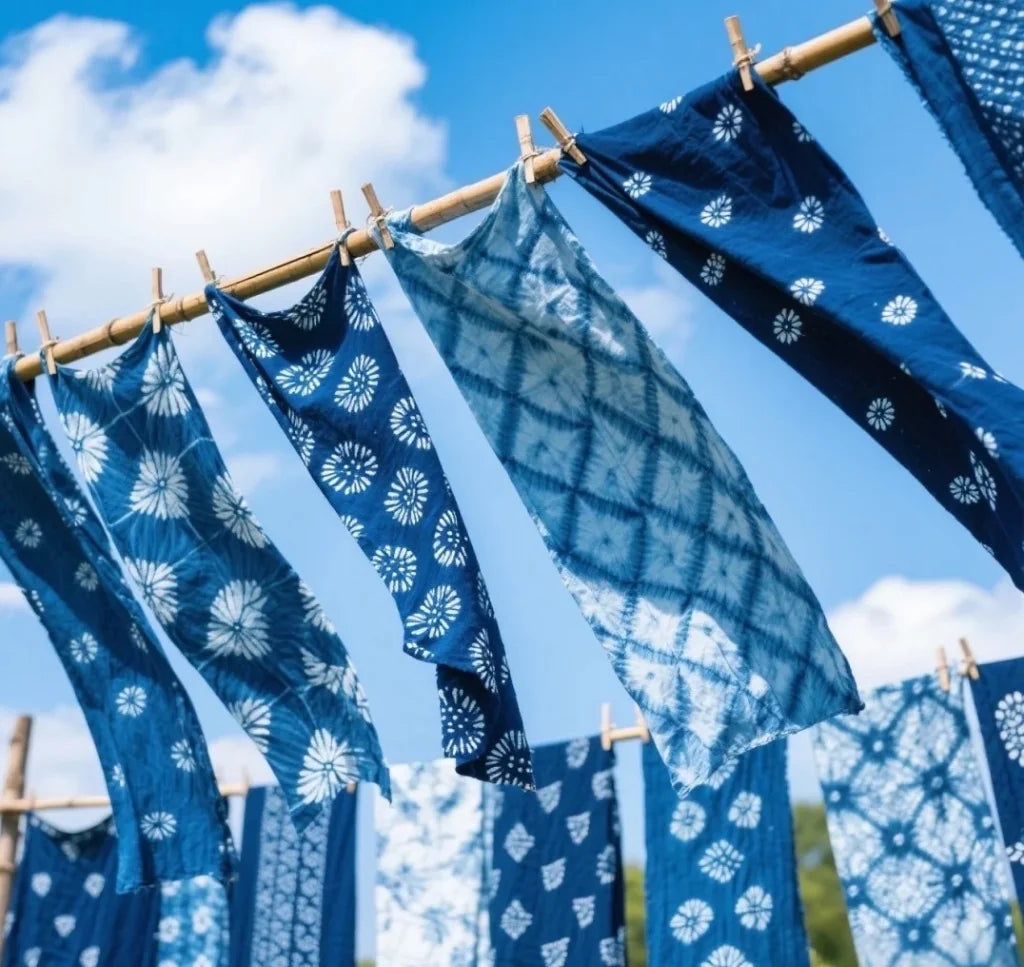
While both batik and tie-dye are ancient resist-dyeing methods, their technique and visual results are fundamentally distinct. Batik uses molten beeswax drawn with handheld copper pens (wax knives) to block dye, producing razor-sharp pictorial illustrations, complex mythological symbols, and organic hairline crackle textures. Tie-dye (including Japanese Shibori) uses physical binding (folding, twisting, and tying with thread or rubber bands) to restrict dye flow, resulting in soft, bleeding gradients, radial bursts, and blurred geometric ripples.
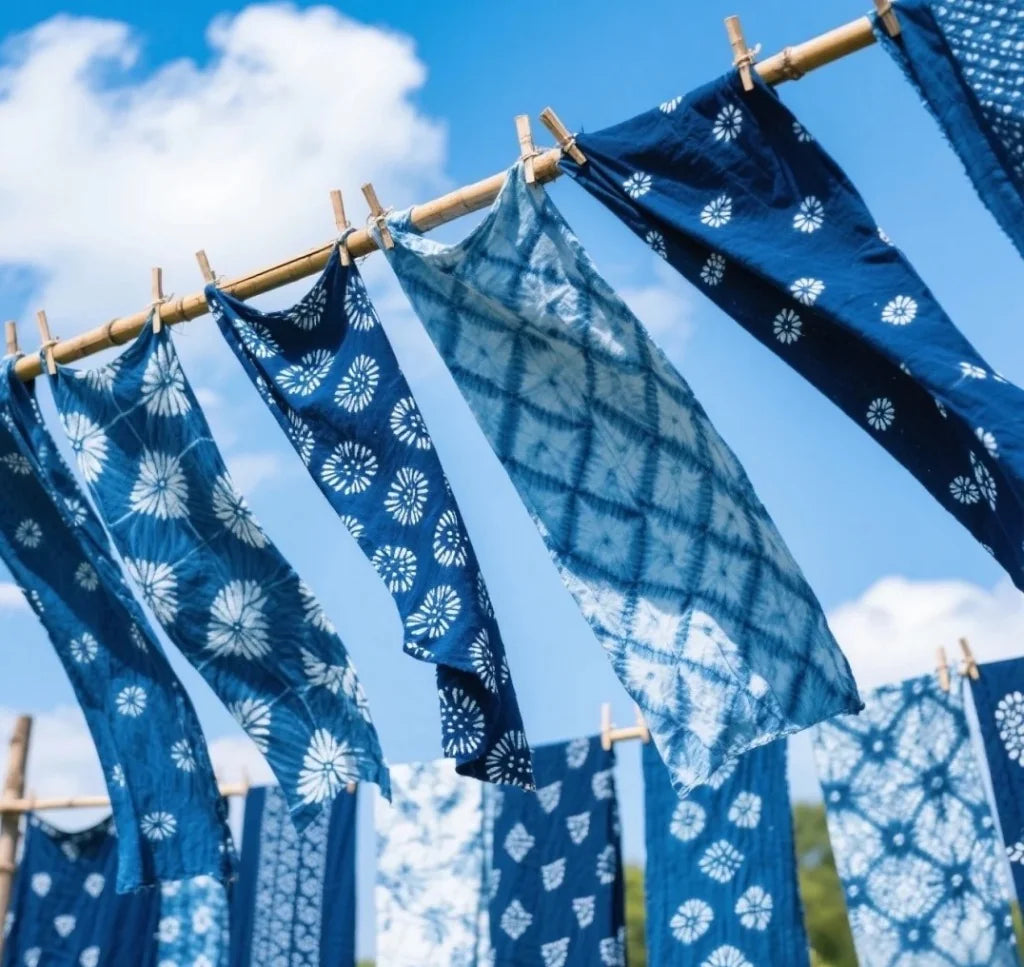
To the untrained eye, both crafts may appear as "blue and white patterned fabric." However, in the worlds of textile collecting, interior decor, and sustainable fashion, the difference between freehand wax-resist and fold-binding determines whether a piece is casual festival apparel or an artisanal museum-grade heirloom.
Batik vs. Tie-Dye: The 6 fundamental differences
| Core Factor | Batik (Wax-Resist Dyeing) | Tie-Dye / Shibori (Fold & Bind) |
|---|---|---|
| Resist Mechanism | Chemical/Physical barrier: Molten beeswax and tree resin penetrate fabric fibers. | Mechanical pressure: Tying with string, clamping wooden blocks, or stitching thread. |
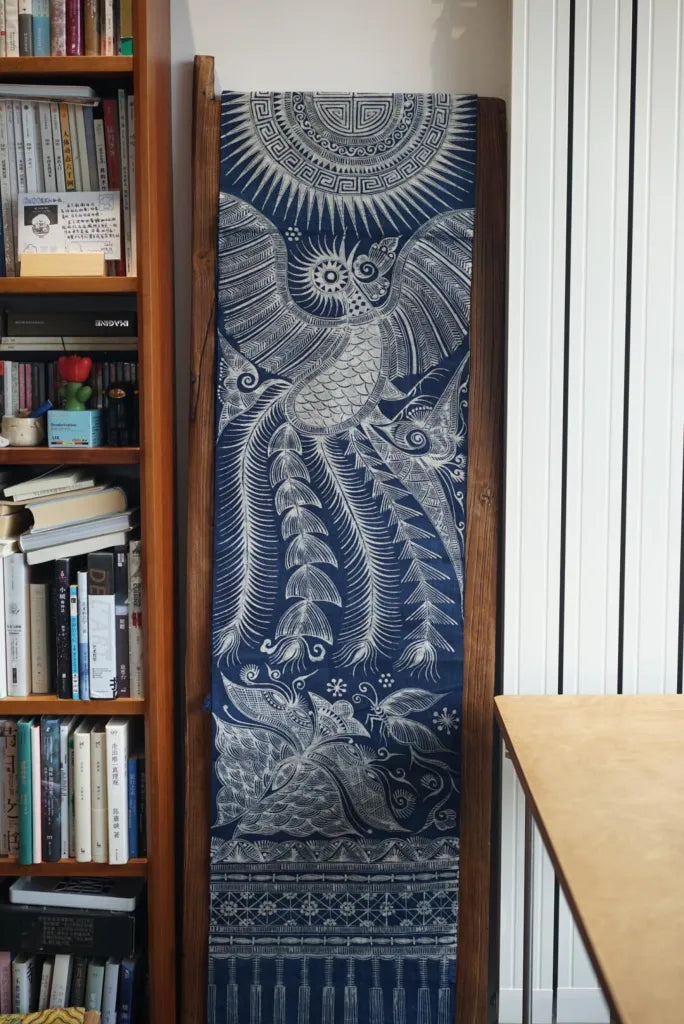
| Pattern Precision | Hyper-precise freehand drawing: Flowers, birds, geometric solar drums, and mythological figures. | Organic, semi-unpredictable gradients: Spirals, bullseyes, ripples, and soft clouds. |
| Edge Definition | Sharp, defined contours accompanied by signature hairline wax crackle veins. | Soft, feathered, watercolor-like color transitions where dye bleeds beneath bindings. |
| Production Time | Days to weeks per piece: Meticulous wax drawing, cold vat dipping, and boiling dewaxing. | Hours to days: Folding, tying, direct pigment pouring, and air curing. |
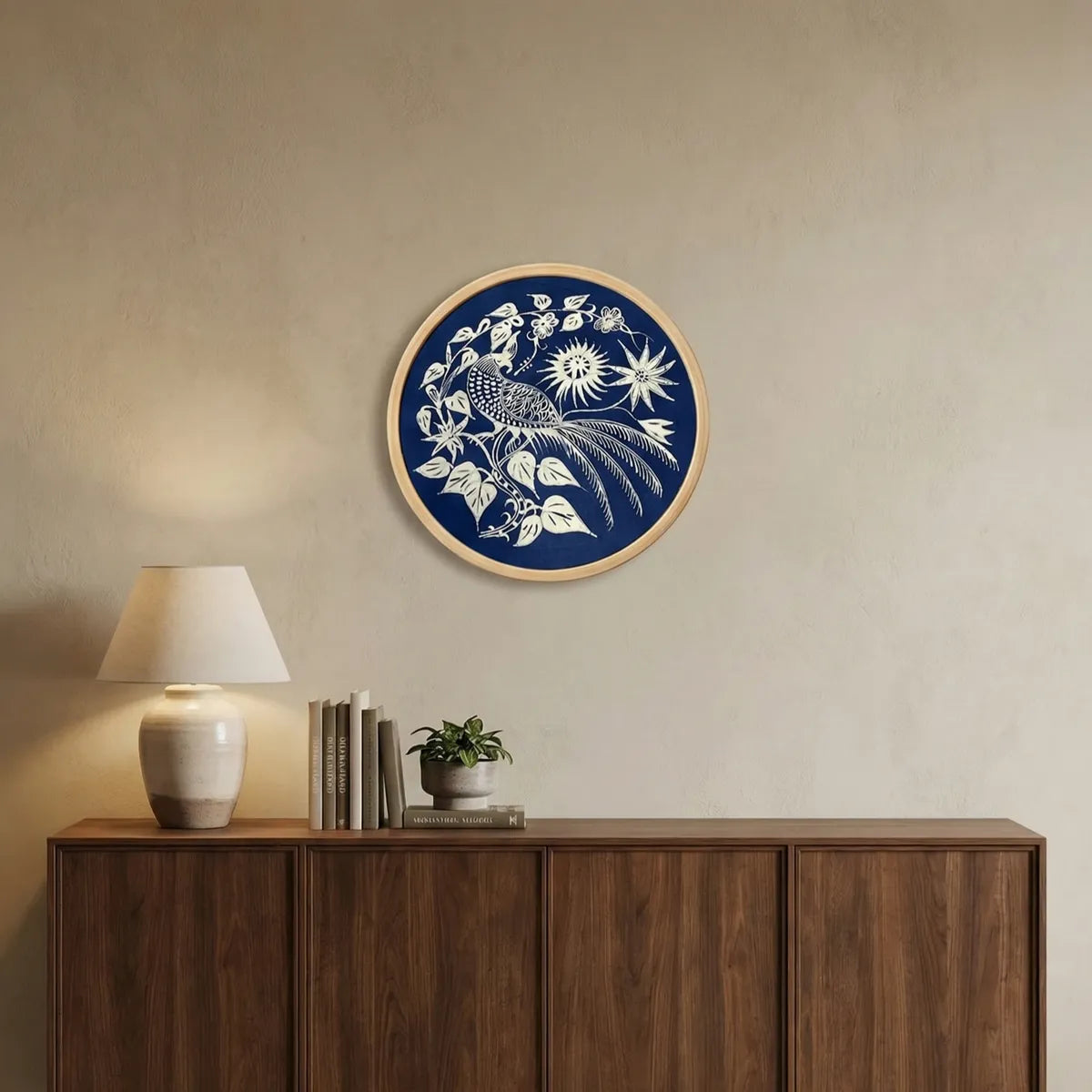
| Artistic Classification | Fine pictorial art, wall tapestries, heirloom table runners, and ceremonial dress. | Pattern-based textile design, casual streetwear, summer bandanas, and quilts. |
| Artisan Replicability | Every line is hand-drawn; no two freehand wax pieces are ever identical. | Technique-driven; consistent repeating geometric patterns can be achieved through folds. |
How authentic wax-resist batik is made
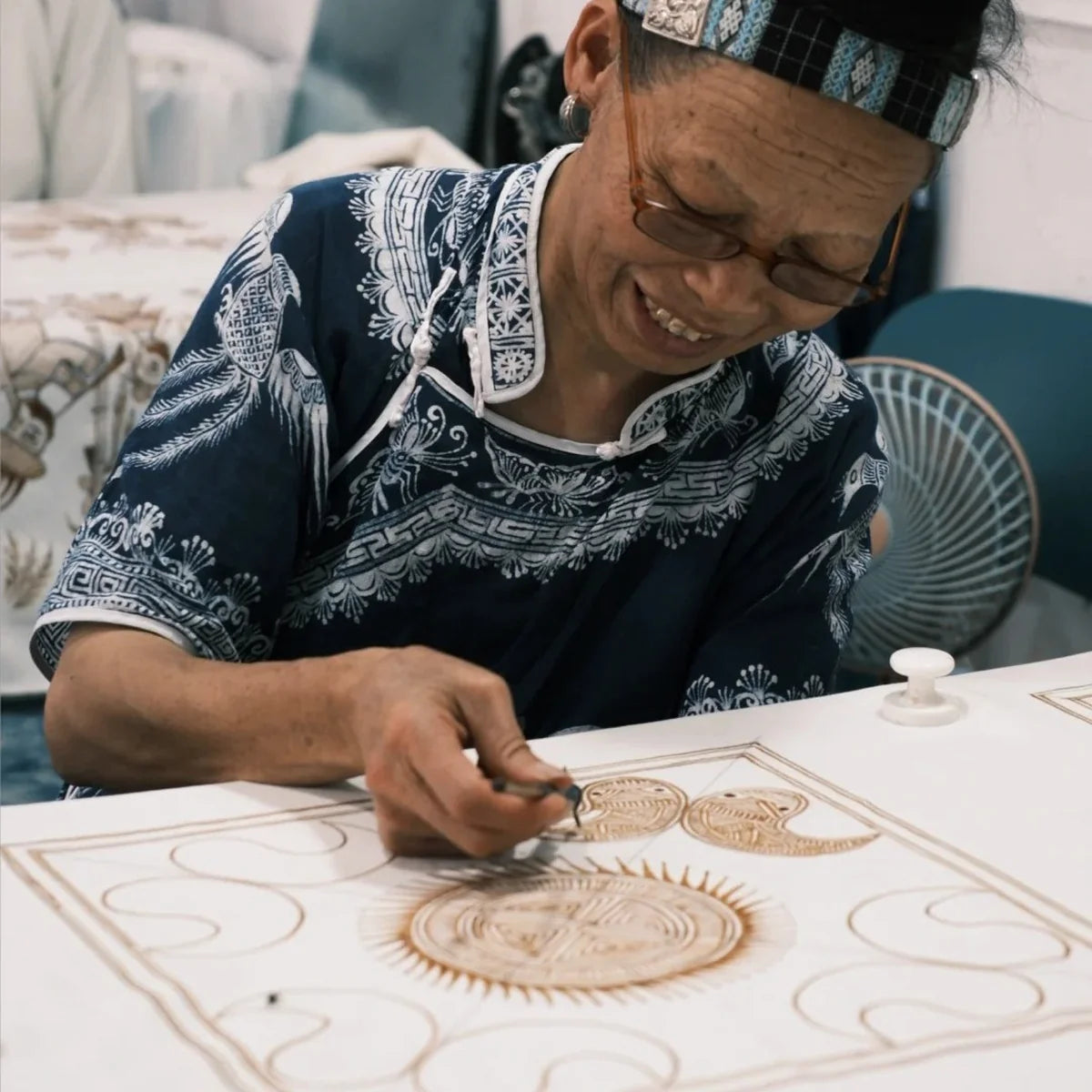
1. Freehand wax illustration
Rather than using mechanical stamps, traditional Miao artisans hold a small brass-and-copper pen called a La Dao (wax knife). Scooping hot molten beeswax from a heated pot, the artisan draws intricate curves, solar spirals, and mythic symbols directly onto untreated cotton.
2. Cold natural fermentation indigo baths
Hot dye baths would melt the wax prematurely, so batik requires cold plant-based indigo fermentation vats. The fabric is submerged repeatedly over several days. Each dip oxidizes in the air, deepening the shade from pale sky blue to midnight indigo.
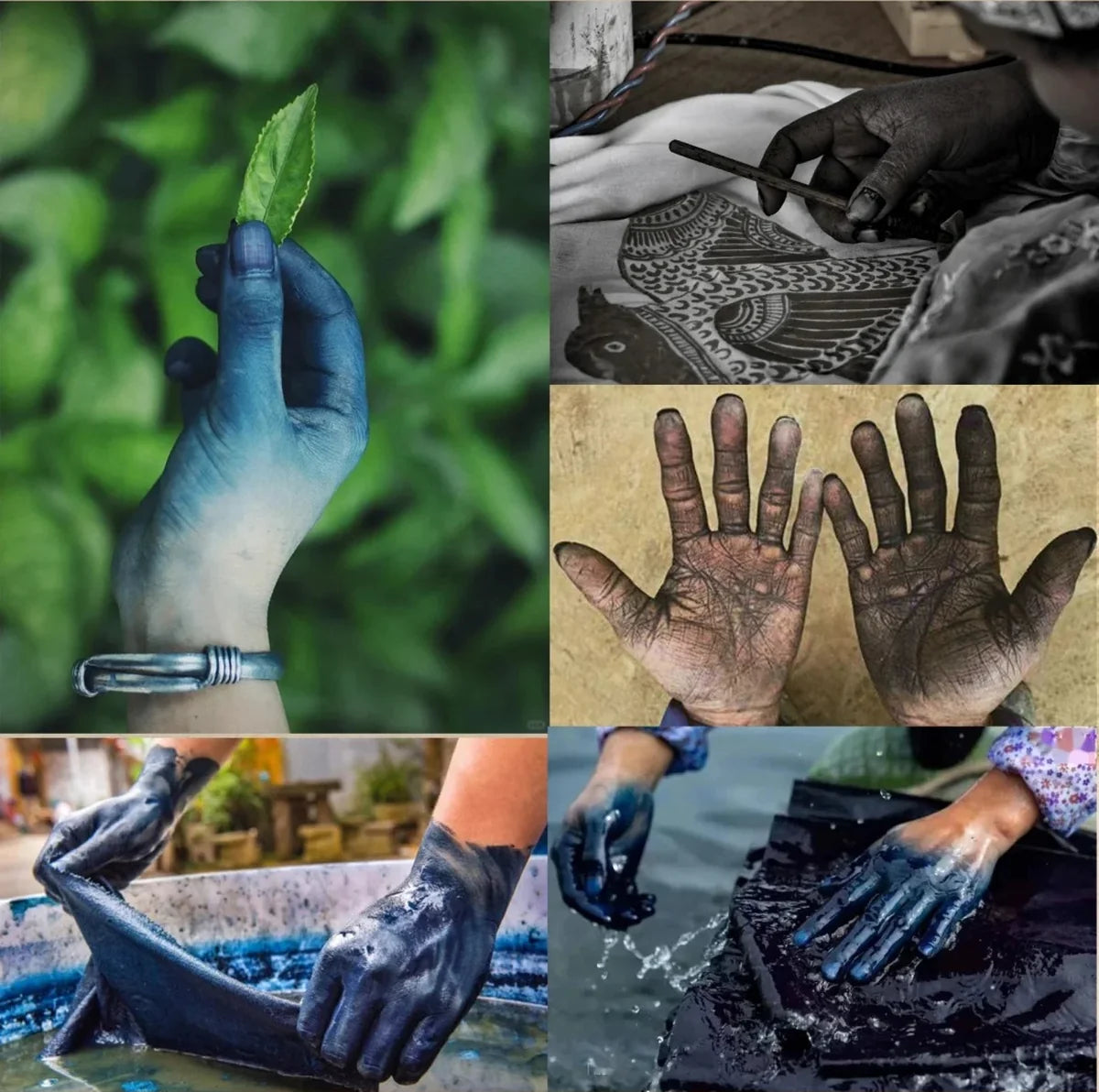
3. Boiling water dewaxing and revealing the design
Once the desired indigo depth is achieved, the fabric is boiled in clean mountain spring water. The beeswax melts away and floats to the surface to be reclaimed, revealing pristine, snow-white patterns against deep indigo blue.
The signature "crackle effect": The soul of real batik
One of the most defining characteristics of authentic batik is the ice crackle (Bing Lie Wen). As the wax cools and hardens on the cloth, gentle handling during cold vat dyeing causes micro-fractures in the wax layer. Indigo dye seeps into these fine fractures, creating delicate marble-like veins across the white motifs.
In mass-produced printed imitations, these crackles appear stamped and repetitive. In authentic handmade batik, every hairline crackle is an organic, unrepeatable record of the artisan's touch.
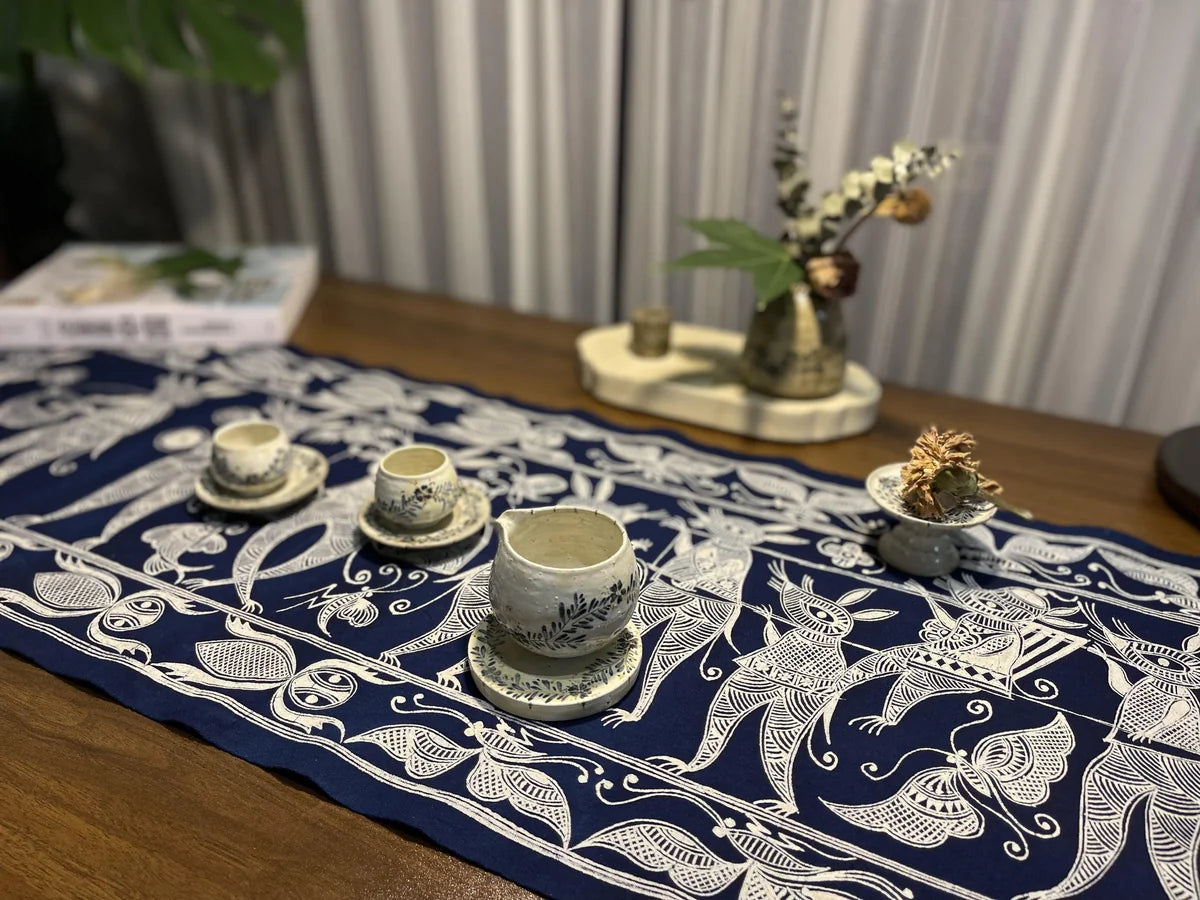
Featured authentic batik artisan creations
Discover the rich tactile elegance of authentic wax-resist textile art in our curated handcrafted collection:
Curated Authentic Batik Works
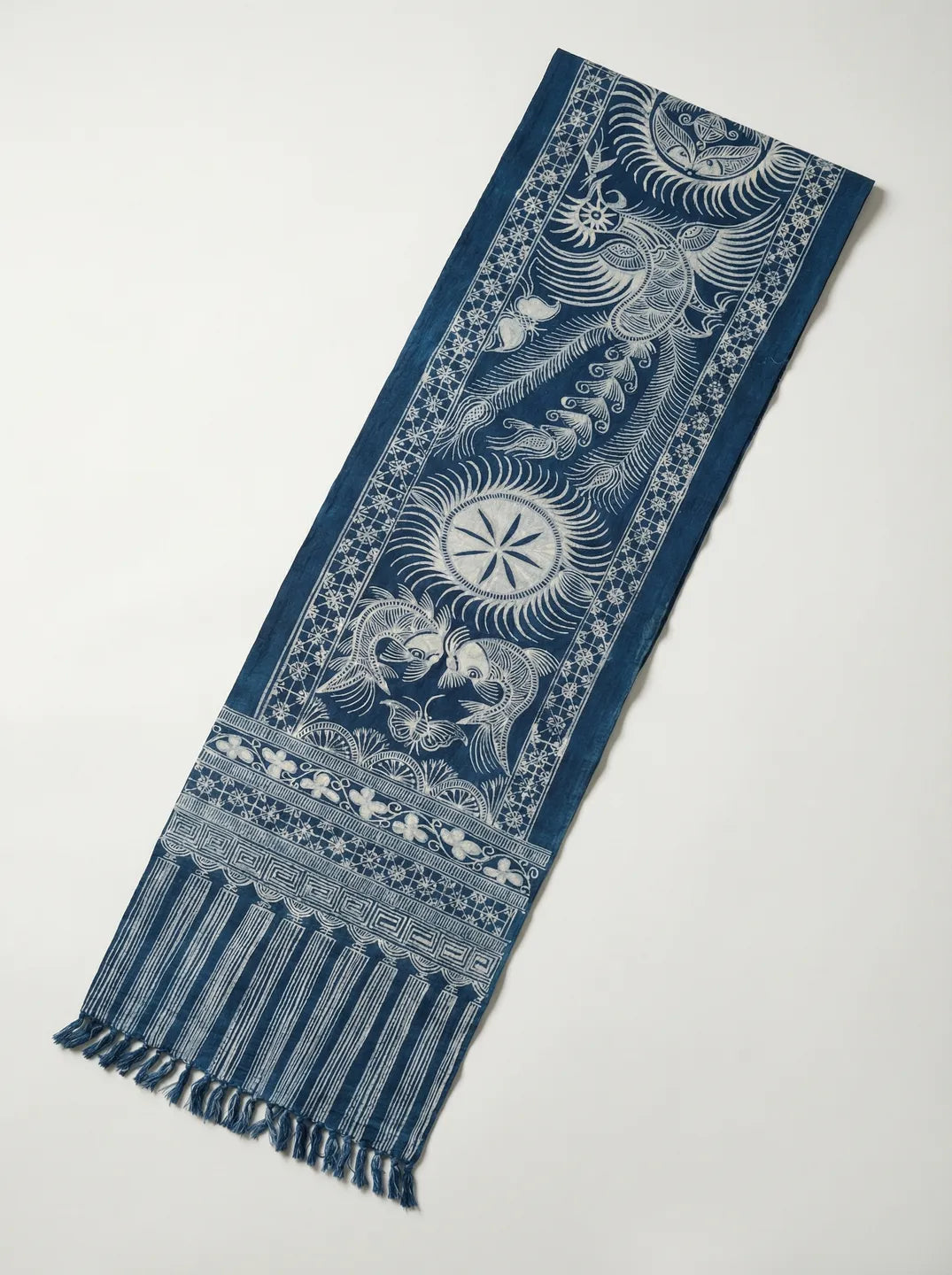
Indigo Batik Table Runner
Pure cotton table runner hand-dyed in natural fermented indigo with traditional wax-drawn botanical spirals.
$95.20 USD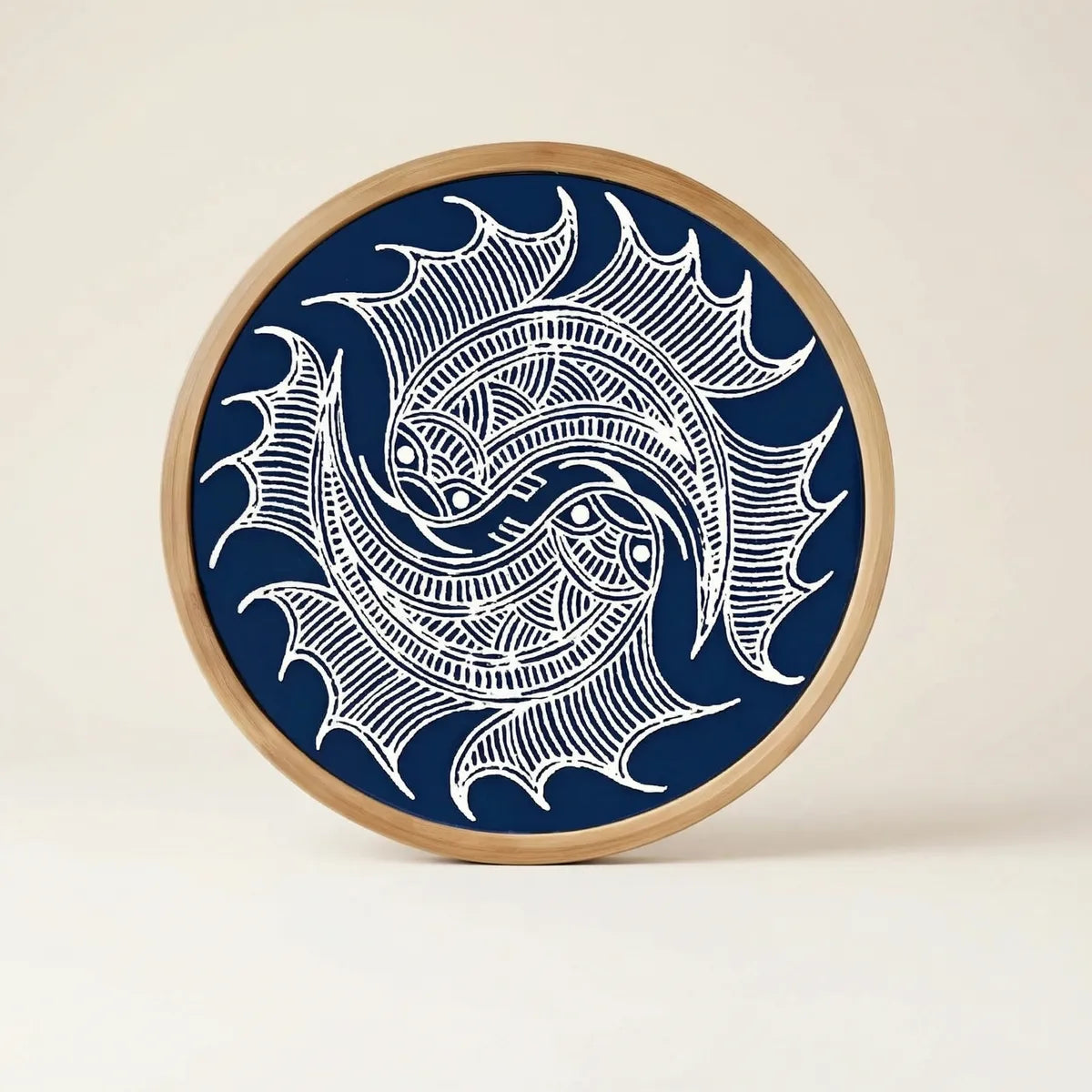
Miao Batik Wall Hanging (11.8 in)
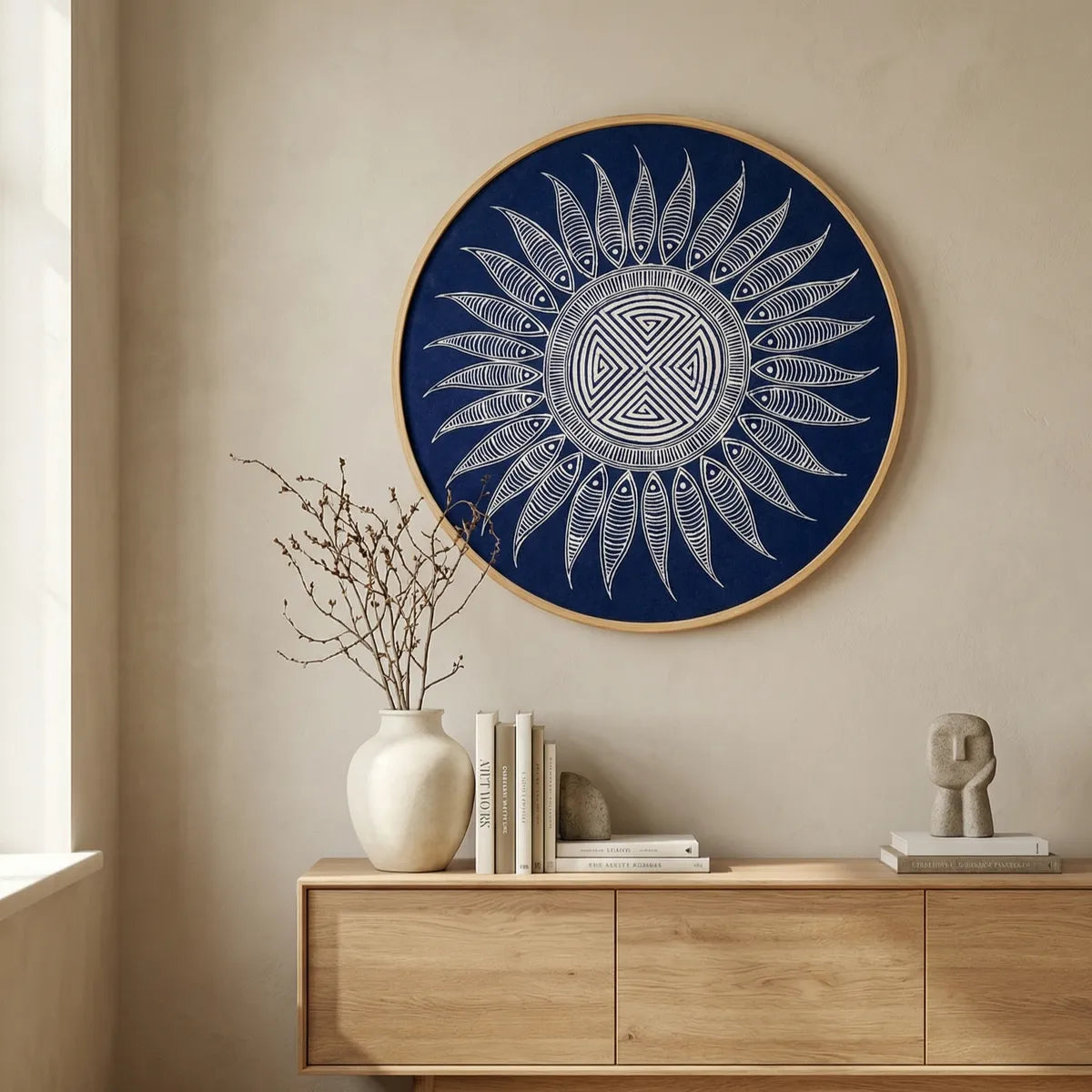
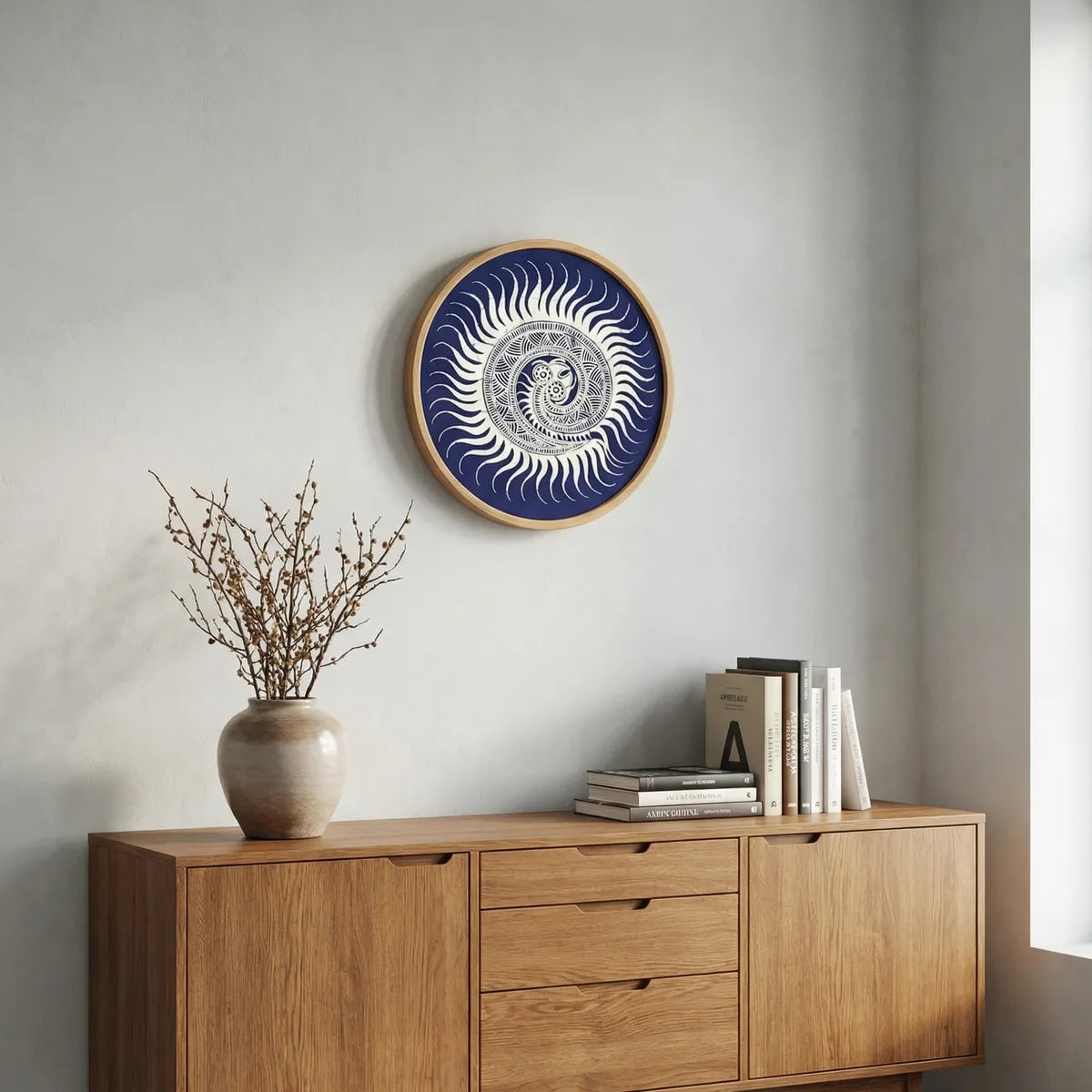
Handcrafted beeswax medallion featuring celestial solar bronze drum geometry and protective blessings.
$59.00 USD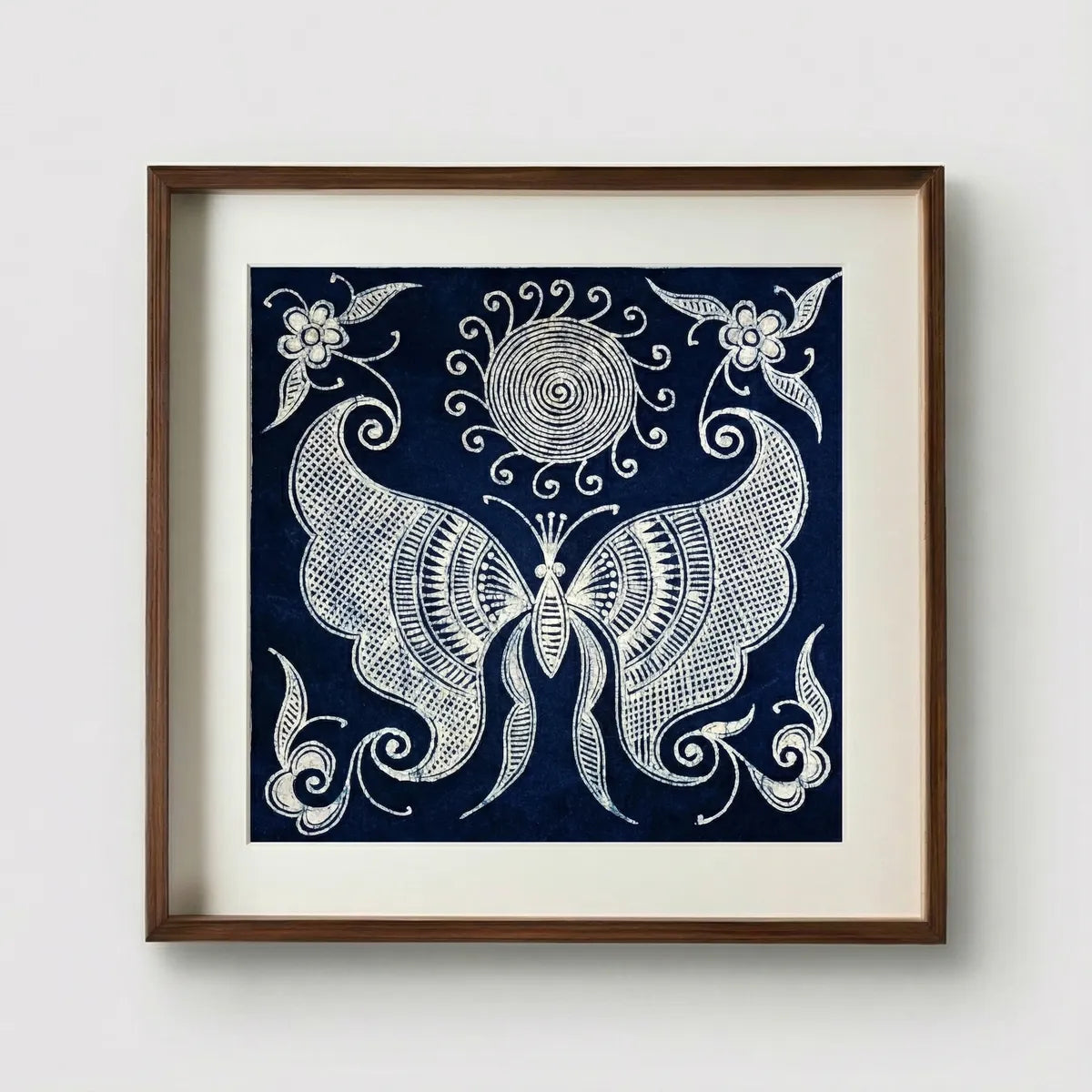
Butterfly Mother Wall Art
Monumental indigo batik textile art depicting the sacred Butterfly Mother creator deity in ceremonial detail.
$79.00 USD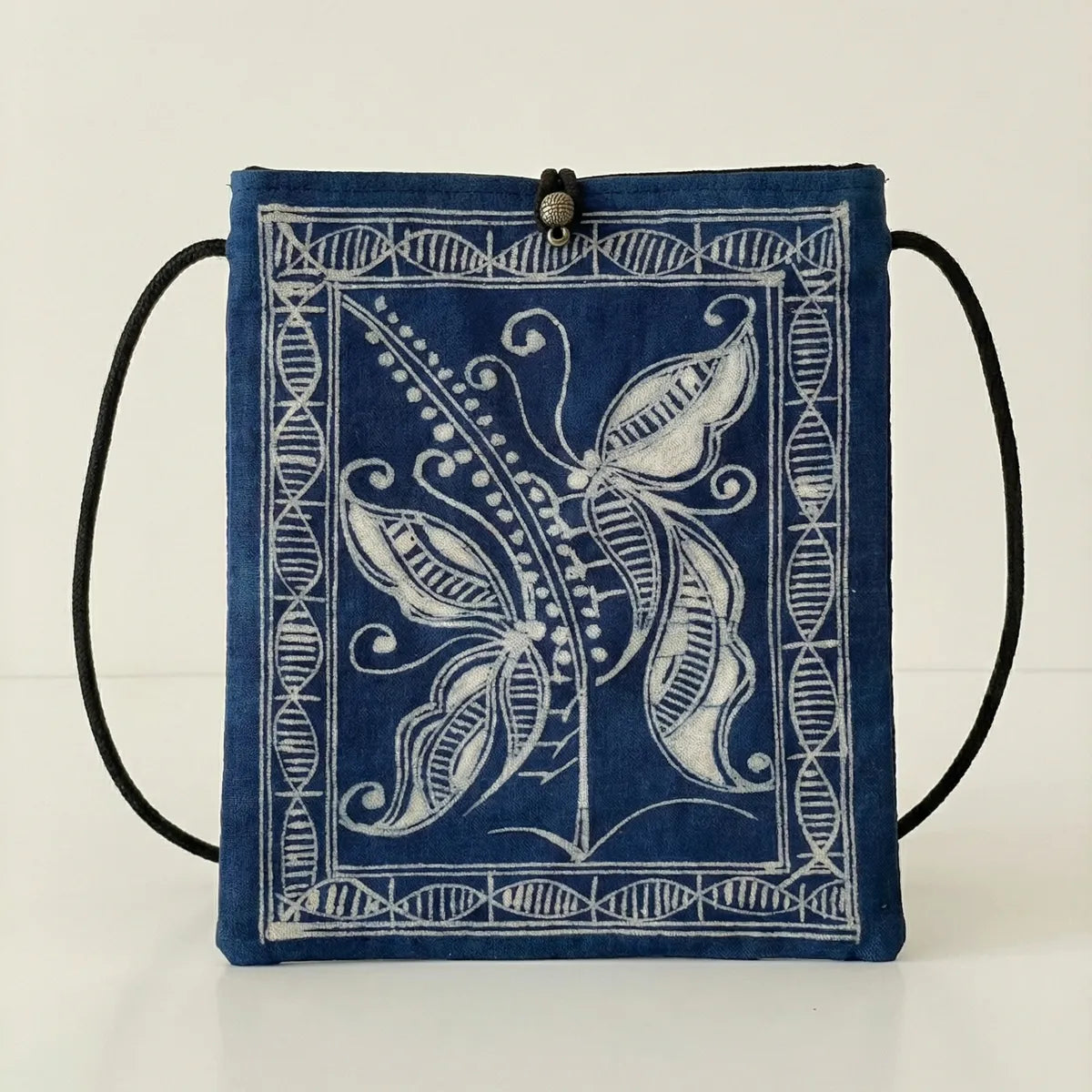
Handmade Batik Crossbody Bag
One-of-a-kind crossbody bag crafted from authentic hand-dyed indigo batik fabric with protective butterfly motif.
$39.99 USDHow to choose: Batik vs. Tie-Dye for your home
- Choose Batik when: You want a refined focal piece with complex narrative illustrations, sharp decorative borders, and gallery-worthy artisanal depth for your living room, dining table, or entry foyer.
- Choose Tie-Dye when: You are looking for casual, breezy, freeform watercolor aesthetics, vibrant multi-color swirls, or relaxed bohemian pillows and throws.
- Mix Both Harmoniously: A detailed botanical batik runner pairs exquisitely on a dining table surrounded by softer indigo Shibori accent cushions.
Frequently asked questions
Is batik more difficult to make than tie-dye?
Yes. While tie-dye requires folding and tying, batik requires master hand-eye coordination to draw molten wax with consistent line weight without dripping, followed by temperature-controlled cold vat dyeing and boiling dewaxing.
Does real batik wash out or fade over time?
Authentic natural indigo batik that has been properly oxidized and set will not fade easily. It should be washed gently with pH-neutral soap in cold water, away from direct sunlight.
What causes the crackle lines in batik?
Crackle lines occur when hardened beeswax fractures during the dyeing process, allowing indigo to seep into the hairline cracks. It is the hallmark of authentic handmade wax-resist craft.