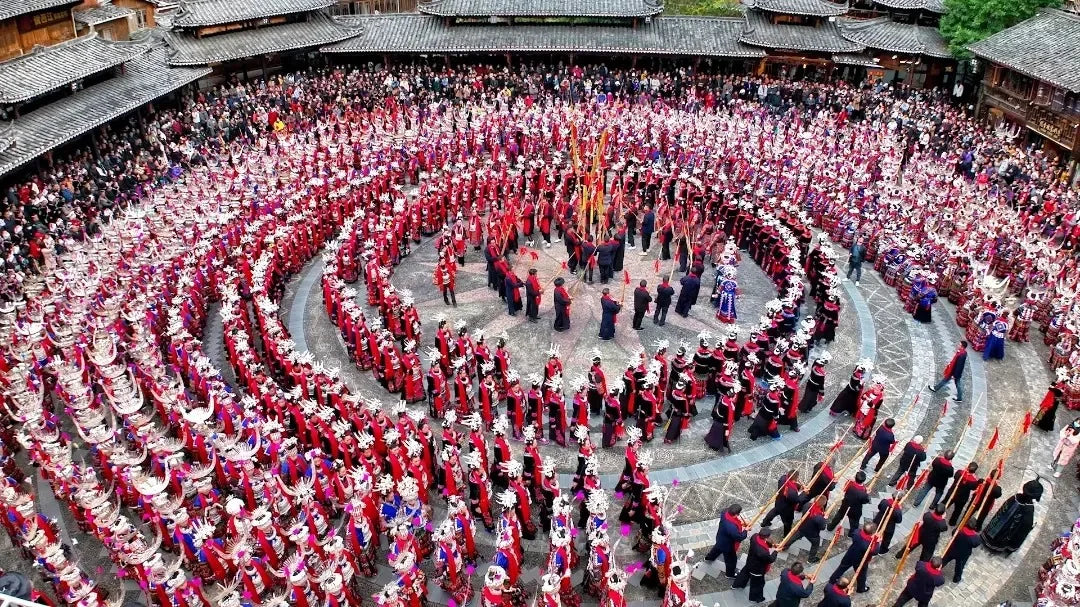
A Miao ceremony is a traditional communal ritual and cultural gathering held by the Miao people of southwest China to honor ancestors, mark seasonal harvests, celebrate marriages, or invoke clan blessings. Unlike private spiritual rituals, major Miao ceremonial gatherings—such as the Guzang Festival (Drum Feast), Lusheng Festival, and Sisters' Meal Festival—are grand visual spectacles where thousands of women wear elaborate hand-forged silver headdresses weighing up to 10–15 kg alongside hand-embroidered pleated skirts.
The 3 most iconic Miao ceremonies & festivals
Across the mountainous river valleys of Guizhou, dozens of regional celebrations take place throughout the lunar calendar. Three major ceremonial traditions stand out for their cultural scale and visual splendor:
- The Guzang Festival (鼓藏节 - Drum Sacrifice Feast): Held only once every thirteen years by specific Miao clans, this is the most solemn ancestral ceremony. Over several days, sacred ancestral bronze and wooden drums are awakened with sacred chants, and buffalo sacrifices are offered to reconnect the living community with ancestral spirits.
- The Lusheng Festival (芦笙节): Held in early spring following the lunar new year, young men play multi-piped bamboo reed instruments (lusheng) while women dance in concentric circles, their silver neck torcs chiming rhythmically with every step.
- The Sisters' Meal Festival (姊妹节): Often described as one of the world's oldest courtship festivals, young women prepare five-color glutinous rice dyed with wild mountain botanicals and present it wrapped in lotus leaves to prospective suitors.
The visual language of ceremonial adornment
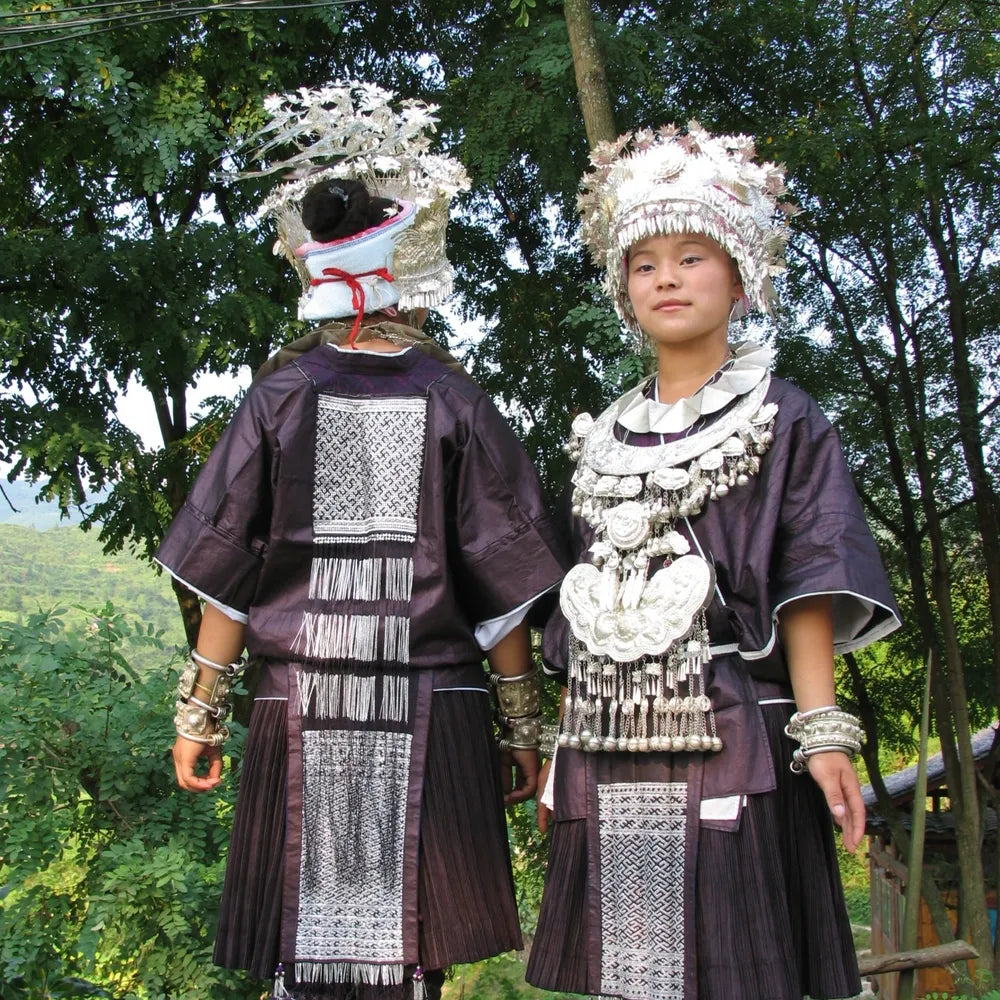
To outside observers, the monumental silver headdresses and multi-layered embroidered jackets worn during ceremonies appear to be decorative costumes. Within the community, however, every ceremonial element functions as a living cultural archive:
1. Monumental ceremonial silver
Ceremonial silver attire can weigh between 8 to 15 kilograms per woman. The ensemble includes large horn-shaped crowns representing the ancestral water buffalo, multi-tier repoussé collar plates, jingling filigree breastplates, and cascading back pendants. Silver is believed to reflect negative energy, guard the wearer against illness, and display the enduring prosperity of the family lineage.
2. Sacred wax-resist indigo and embroidery
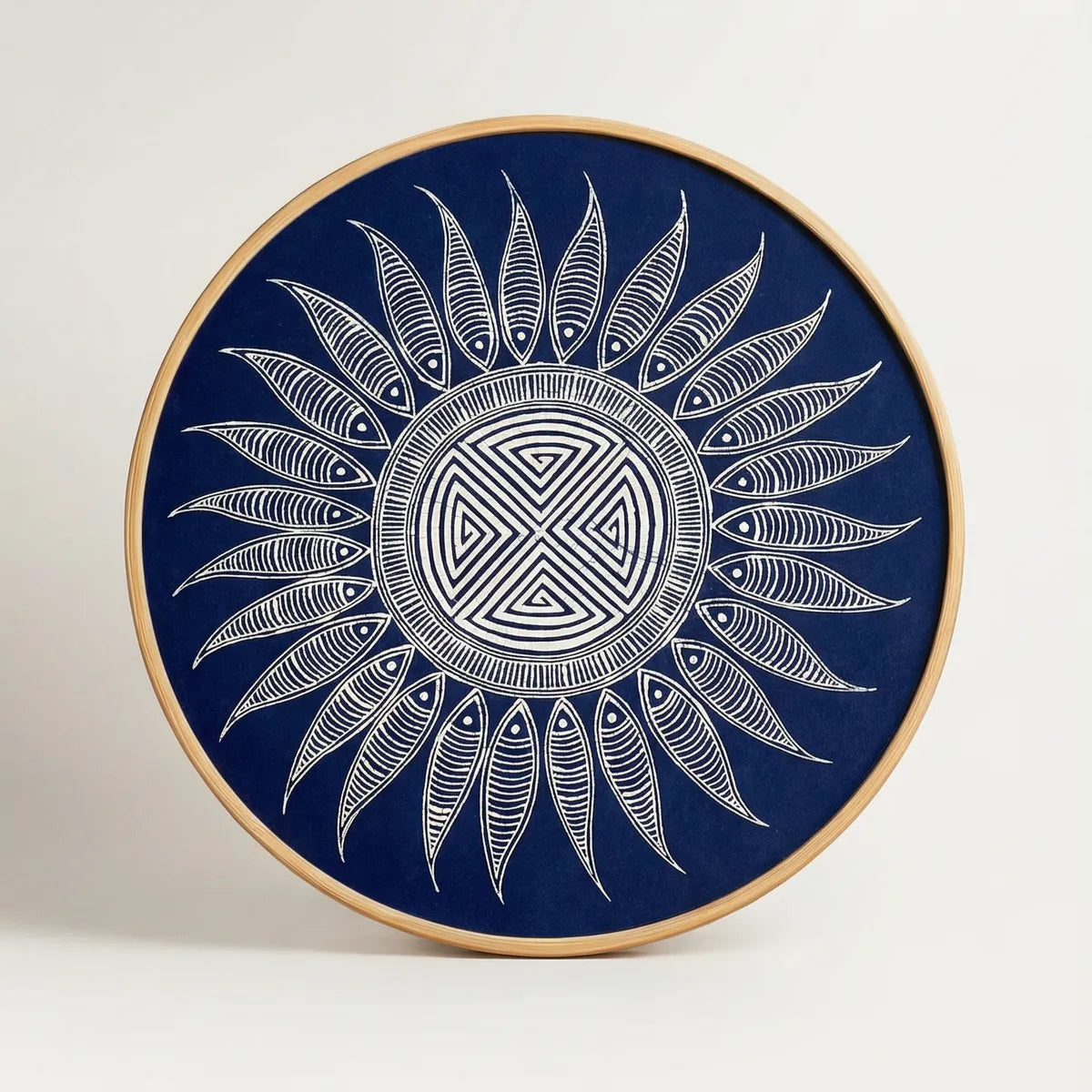
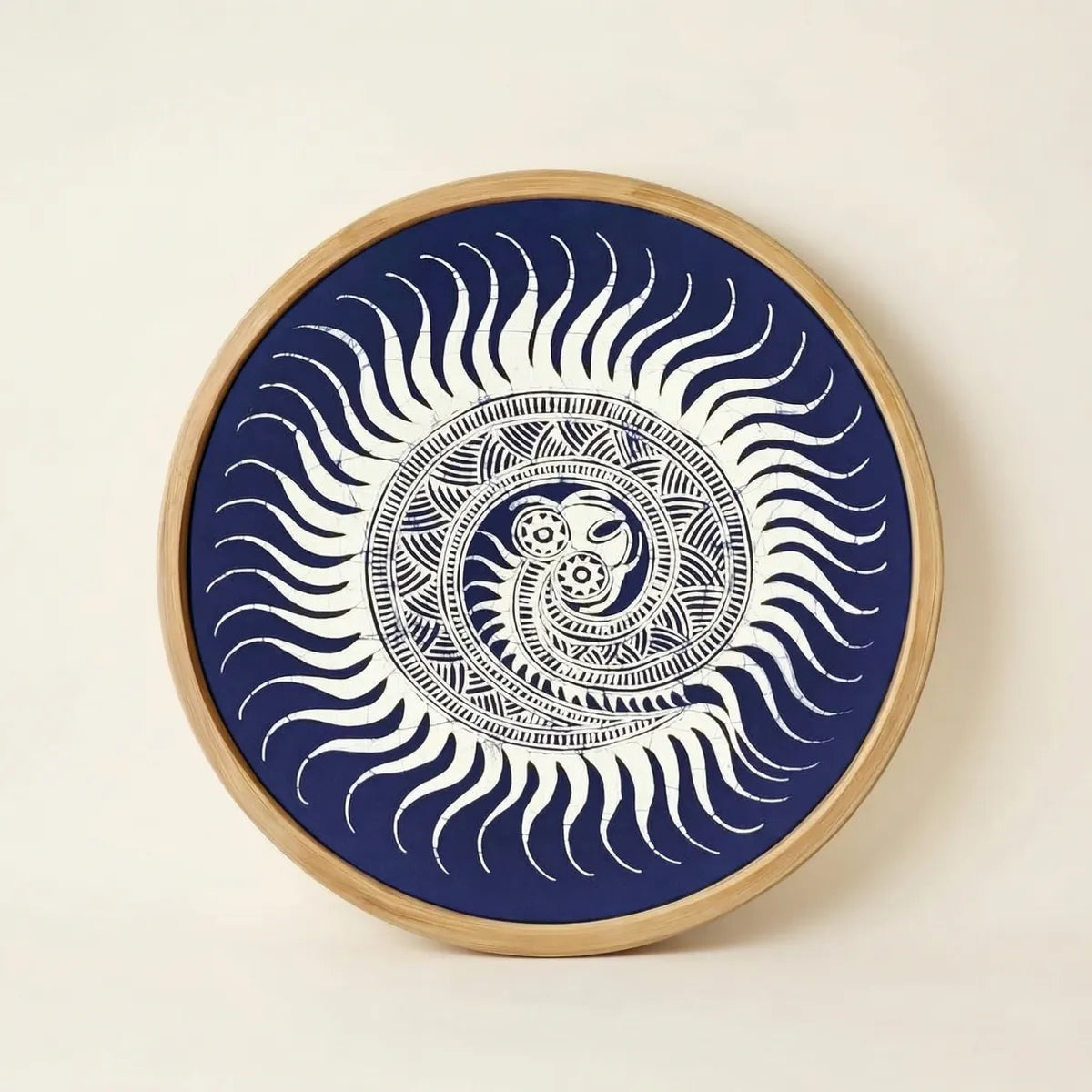
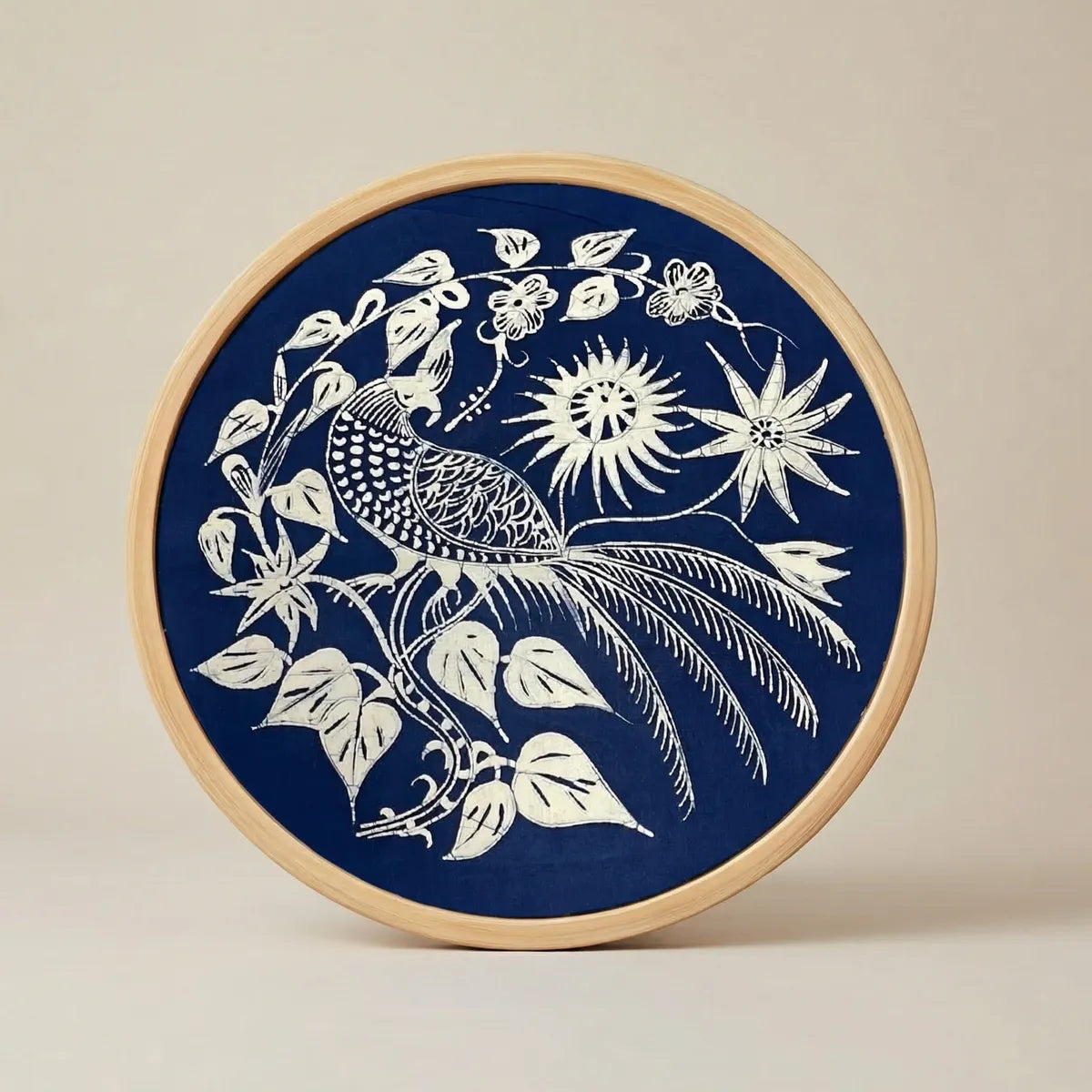
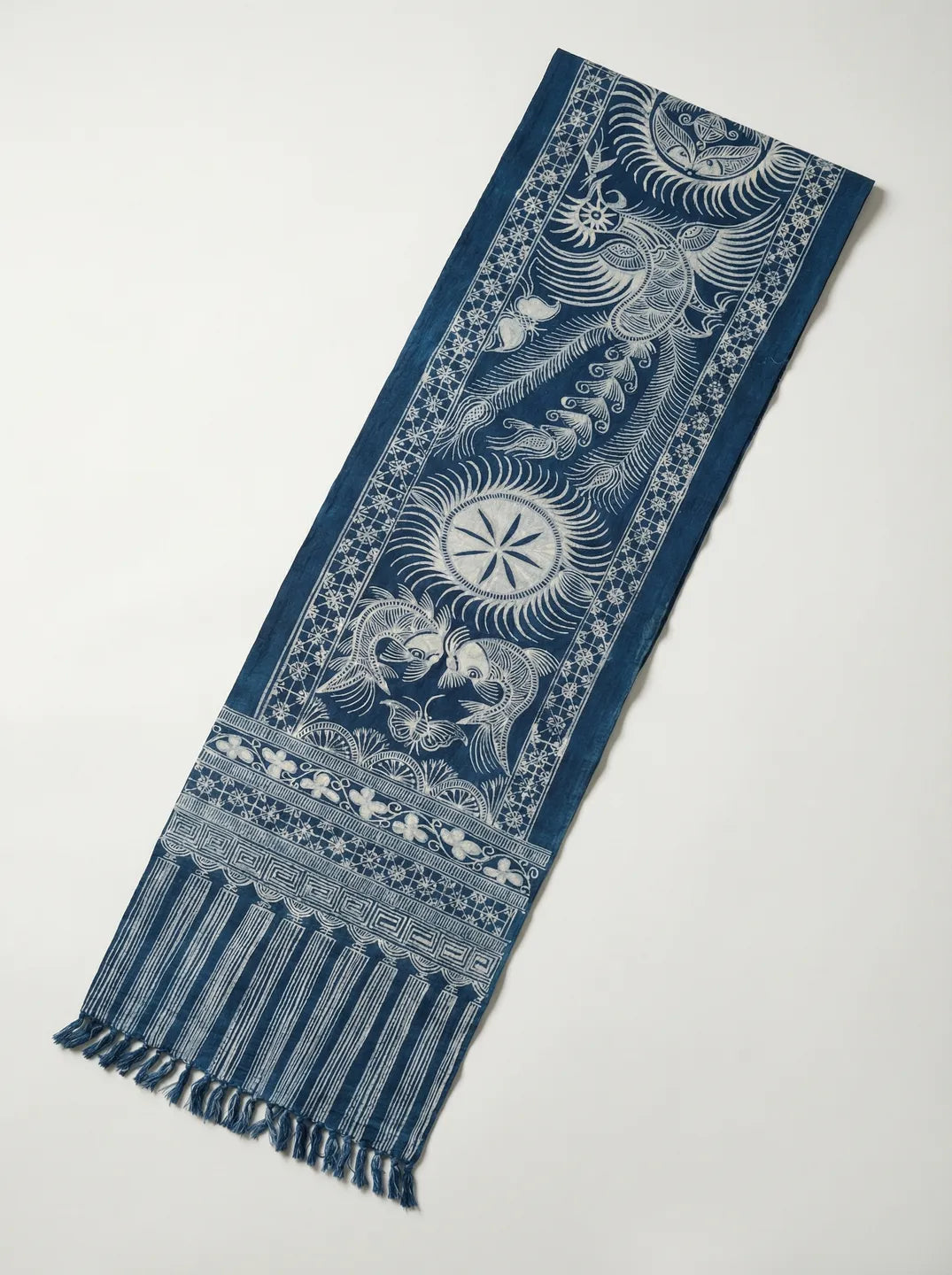
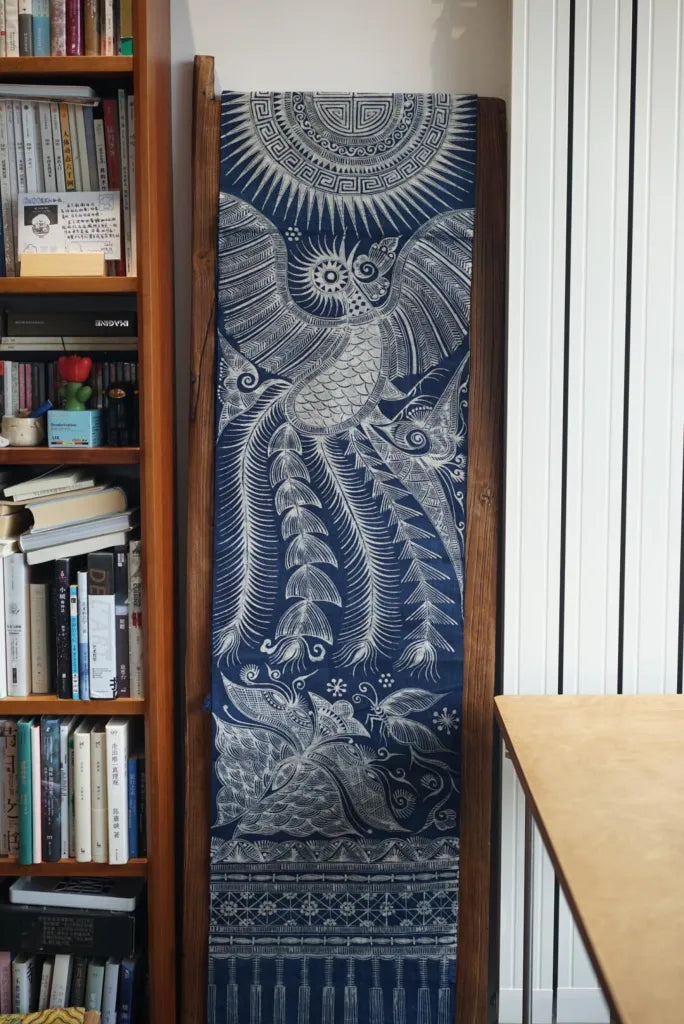
Ceremonial jackets require months or years of handwork. The sleeves and collars feature split-silk and braid embroidery depicting the Butterfly Mother (Mai Bang), ancient river migration routes, and water dragons. Skirts with hundreds of hand-pressed accordion pleats are dyed in deep fermented indigo and burnished with egg whites to create a shimmering metallic sheen.
Featured Handcrafted Ceremonial Silver Pieces
Discover handcrafted artisan pieces inspired by traditional Miao ceremonial motifs:
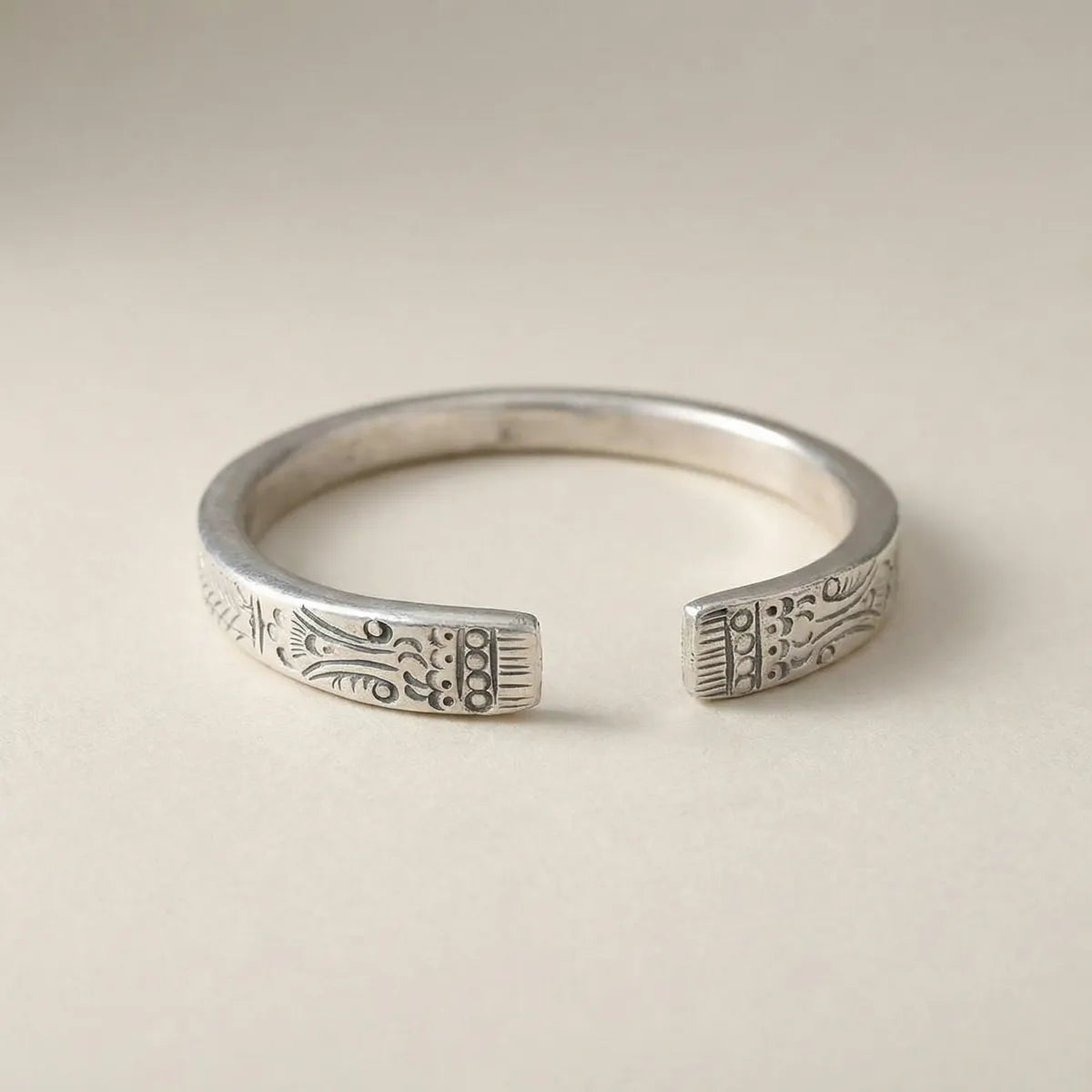
Traditional Miao Silver Wide Cuff Bracelet
Ceremonial Hand-Chasing
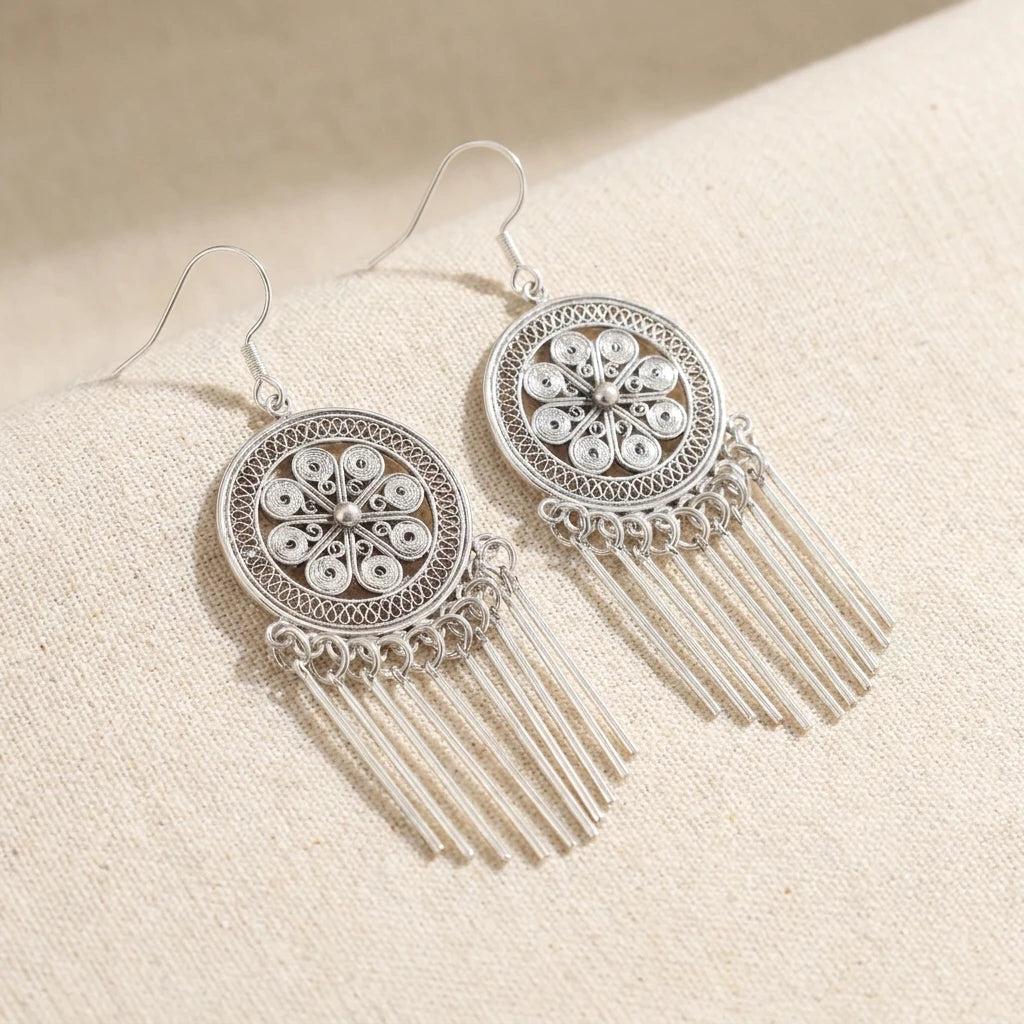
Miao Inspired Filigree Tassel Dangle Earrings
Filigree Tassel Work
How to respectfully experience and understand a Miao ceremony
When attending a Miao festival or studying ceremonial artifacts, keeping these cultural contexts in mind enriches the experience:
- Listen to the Lusheng Music: The melodic patterns played on bamboo lusheng pipes communicate specific tonal poetry and historical chants understood by elders.
- Observe the Grand Circle Dances: Dancers step counterclockwise in rhythmic synchrony, echoing the cosmic rotation of the sun and celestial stars depicted on ancestral bronze drums.
- Respect Headdress Etiquette: Ceremonial silver headpieces are cherished family heirlooms passed down through generations; always ask permission before taking close-up portraits or handling ceremonial items.
Frequently asked questions
Is there one standard Miao ceremony?
No. With dozens of regional subgroups across Guizhou, Hunan, and Yunnan, ceremonies vary widely. Ritual protocols, sacred music tunes, and the visual styling of festival dress differ significantly from one river valley to another.
Why do silver ornaments appear so often in Miao ceremony searches?
Silver is the central visual symbol of Miao celebrations. Because the Miao historically possessed no written script or banks, families accumulated silver as both portable wealth and spiritual protection, displaying their finest hand-forged ornaments during communal ceremonies.
Is a Miao ceremony the same as a Miao festival?
They are closely intertwined. While "festival" often emphasizes public music, communal feasts, and circle dancing, the "ceremony" refers to the underlying spiritual rituals—such as drum awakening chants, elder blessings, and ancestor offerings—that give the festival its sacred purpose.
Can outsiders attend Miao festivals and ceremonies?
Yes. Major gatherings like the Lusheng Festival in Kaili and Sisters' Meal Festival in Taijiang warmly welcome respectful travelers, researchers, and photographers to witness the dances, music, and artisan dress.