Quick answer
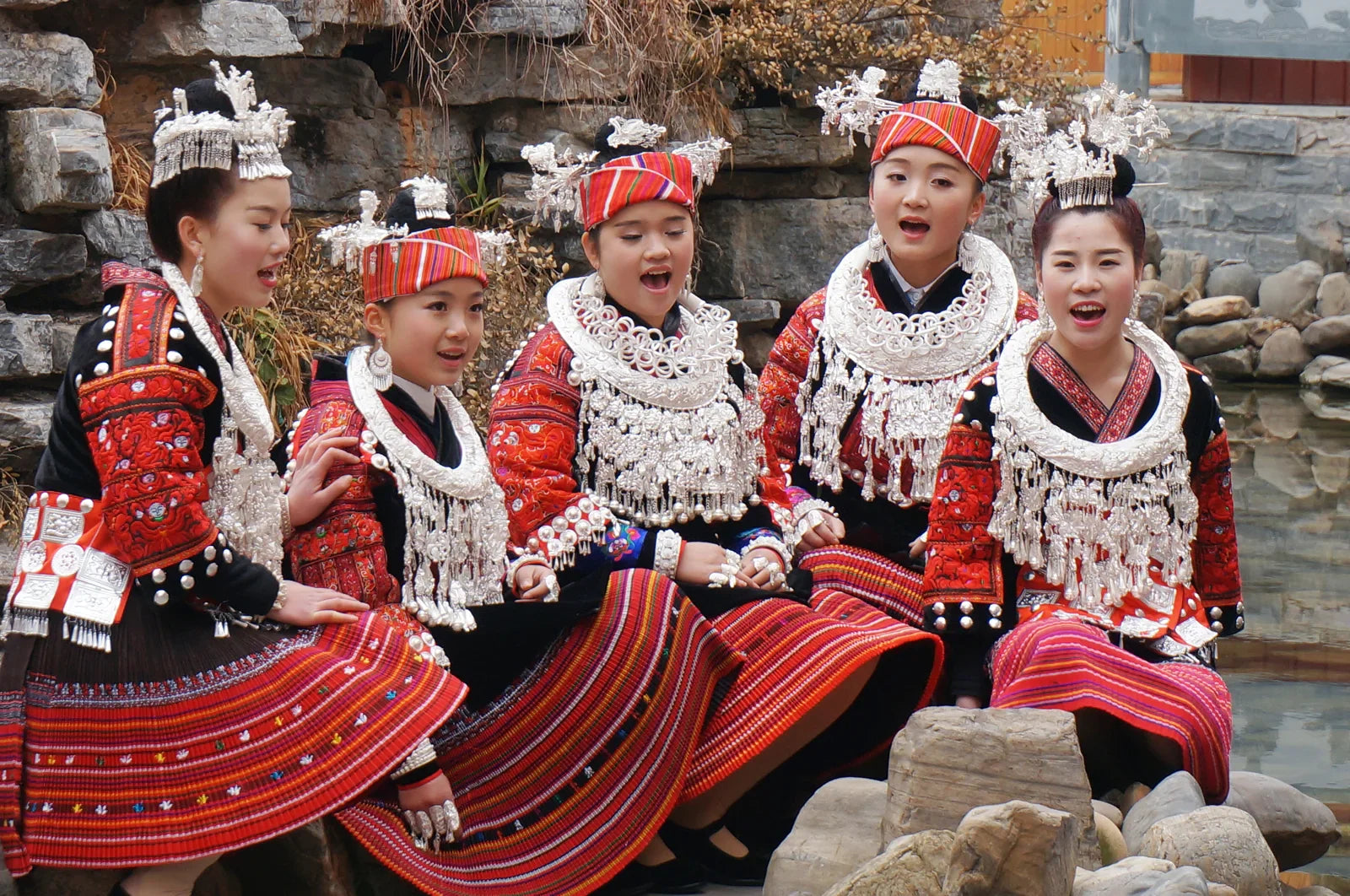
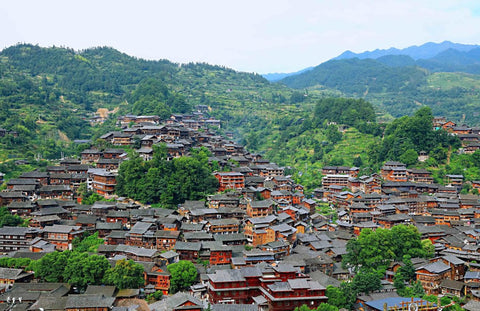
Miao is the standard Chinese term for the Miao people, a broad ethnic category associated especially with communities in southwest China. Outside China, many people first understand the word through visible culture: dress, silver ornaments, embroidery, batik, festivals, and village life.
The word looks simple, but it carries several layers. It names people, it appears in official Chinese usage, and it belongs near handmade traditions that are still recognized through cloth, silver, stitch, dress, music, and celebration.
The plain definition
Miao refers to the Miao people in Chinese usage. For overseas collectors and culture lovers, the word often appears beside textiles, jewelry, festival clothing, and regional craft traditions.
If someone asks "what does Miao mean?" they may be asking for an ethnic term, a cultural label, or the background behind an object they just saw. The answer depends on the context, but the people come first.
Miao and Hmong, without forcing them into one box
"Miao" is the official category used in China. "Hmong" is a self-name widely used by many related communities, especially outside China. The terms overlap in some discussions, but they are not perfect substitutes in every historical, political, or community setting.
For Chinese Miao batik, Miao silver, and Miao embroidery, we use Miao because these pieces are tied to Miao communities and craft traditions in China. When a community uses Hmong for itself, that name should be respected in its own context.
| Term | Common use | Reading tip |
|---|---|---|
| Miao | Official Chinese term and common English-facing label for Miao cultural topics. | Use it when reading about Miao batik, silver, embroidery, and Chinese regional traditions. |
| Miaozu | Pinyin form of the Chinese term for the Miao ethnic group. | This form appears in translated Chinese terms and cultural captions. |
| Hmong | A self-name used by many related communities, especially outside China. | Check the speaker, region, and community context before treating it as interchangeable with Miao. |
Source note
For a short general reference, see the Britannica summary on the Miao. For the related Hmong naming context, compare Britannica's Hmong overview.
Why craft is central to the word
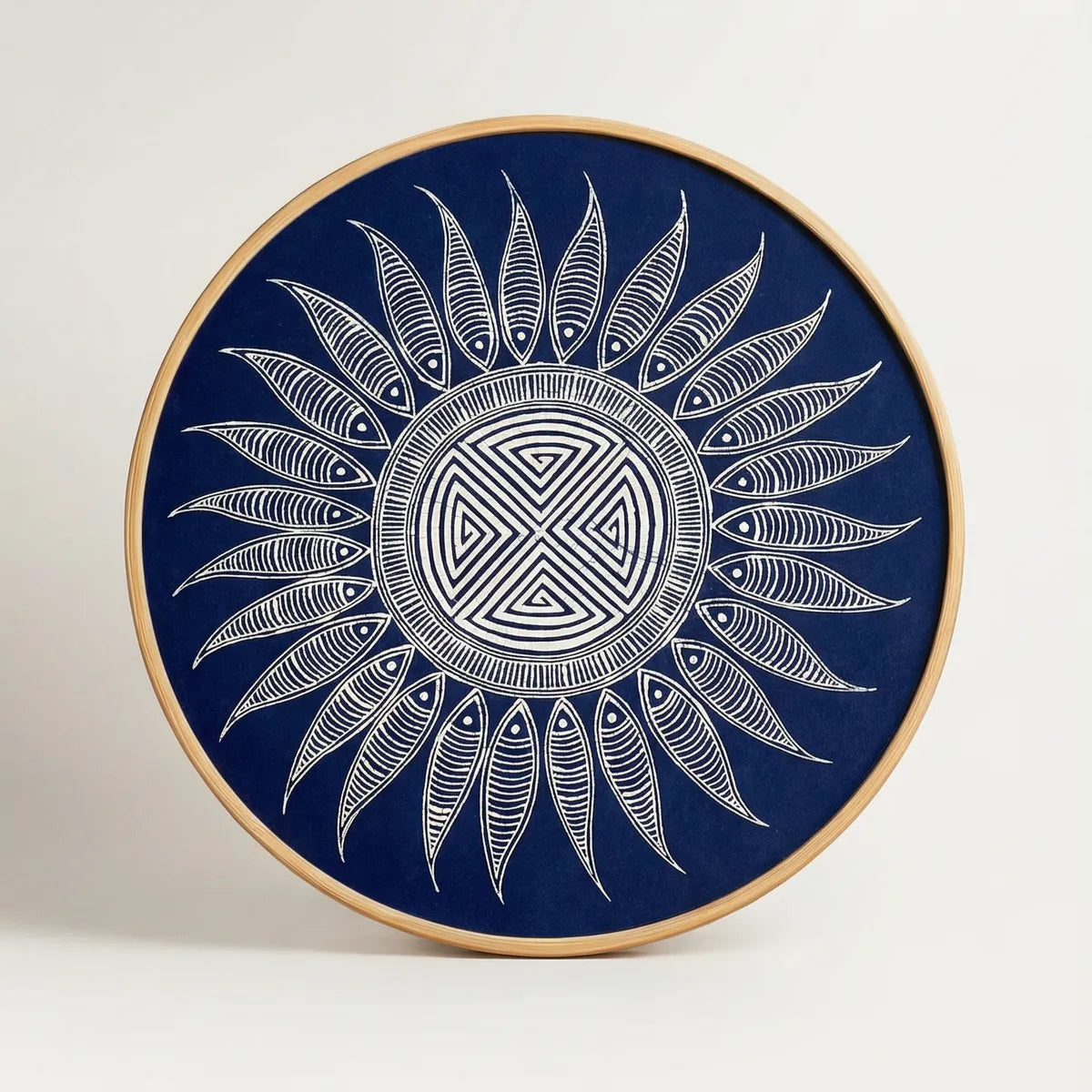
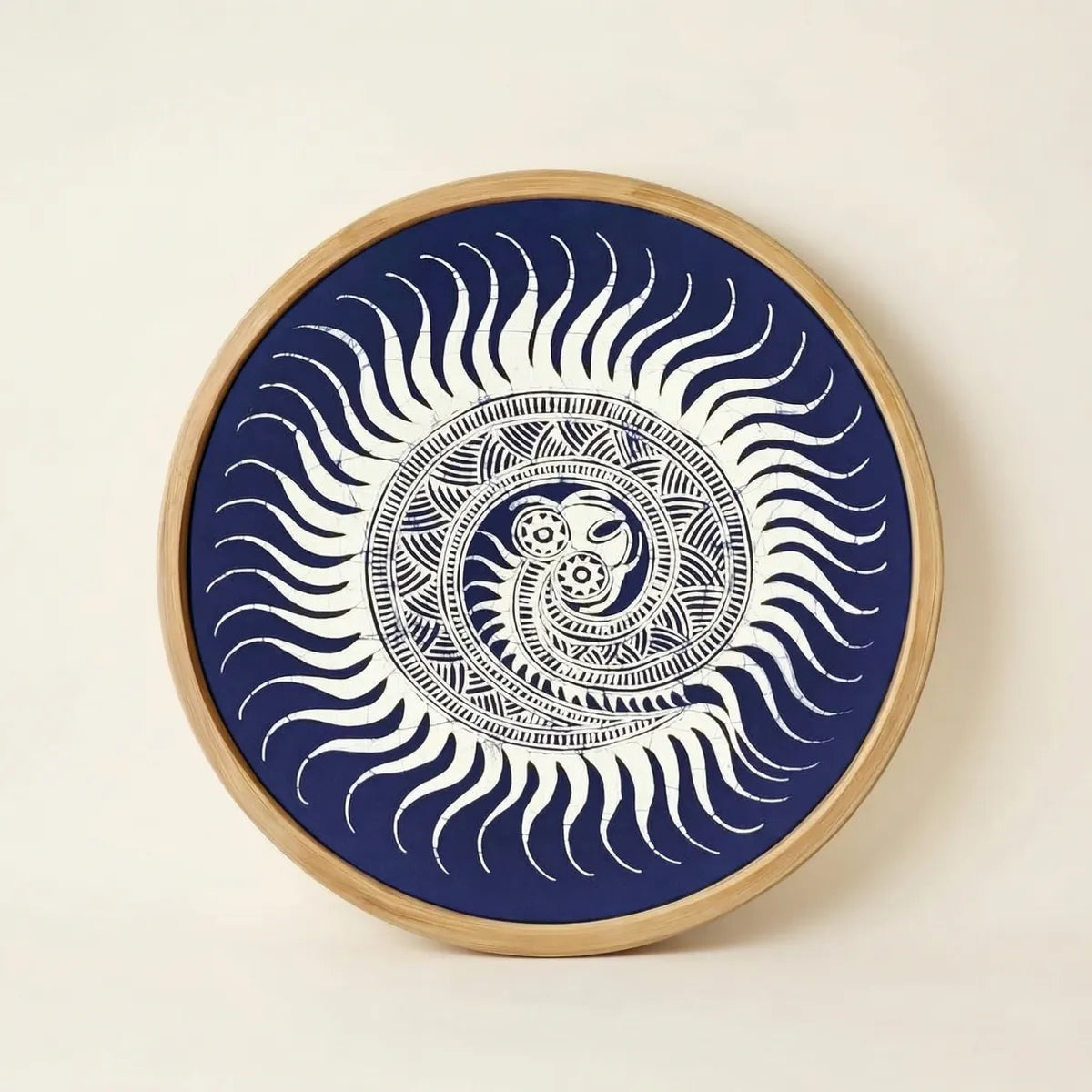
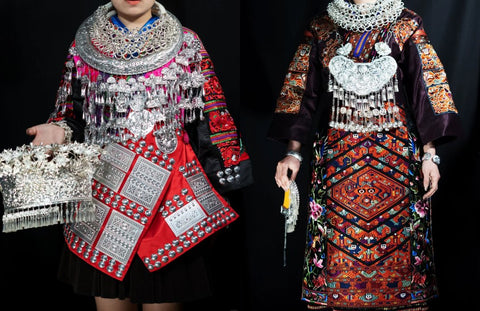
Miao culture is not understood only through dates or definitions. It is also understood through objects people can see and hold: indigo batik, silver headdresses, festival garments, embroidered panels, and handmade pieces used in daily and ceremonial life.
For Runystore, the clearest paths into this culture are Miao batik, Miao silver, and Miao embroidery. These are not decorative labels. They are craft traditions that connect material, making, identity, and occasion.
Three object paths into the culture
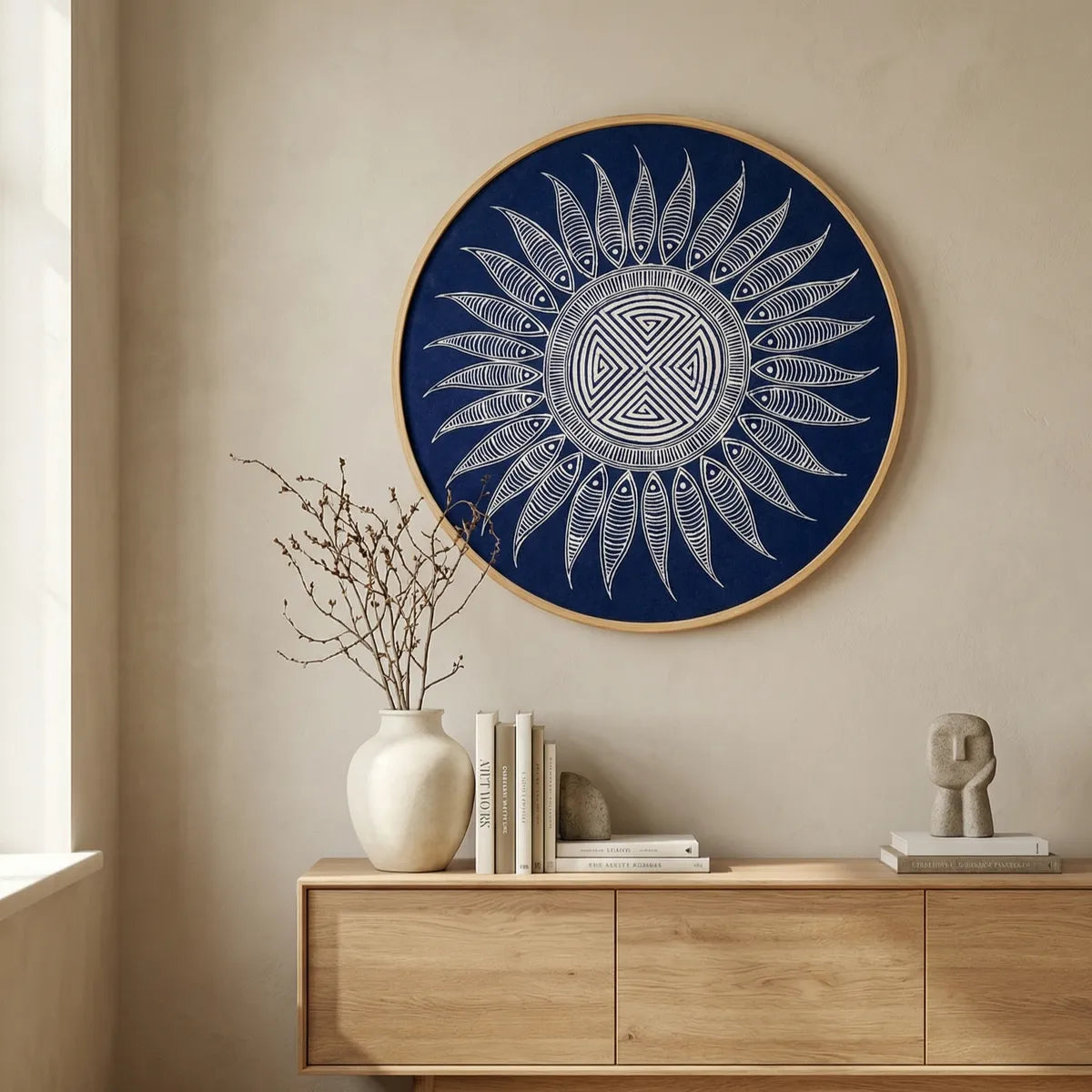
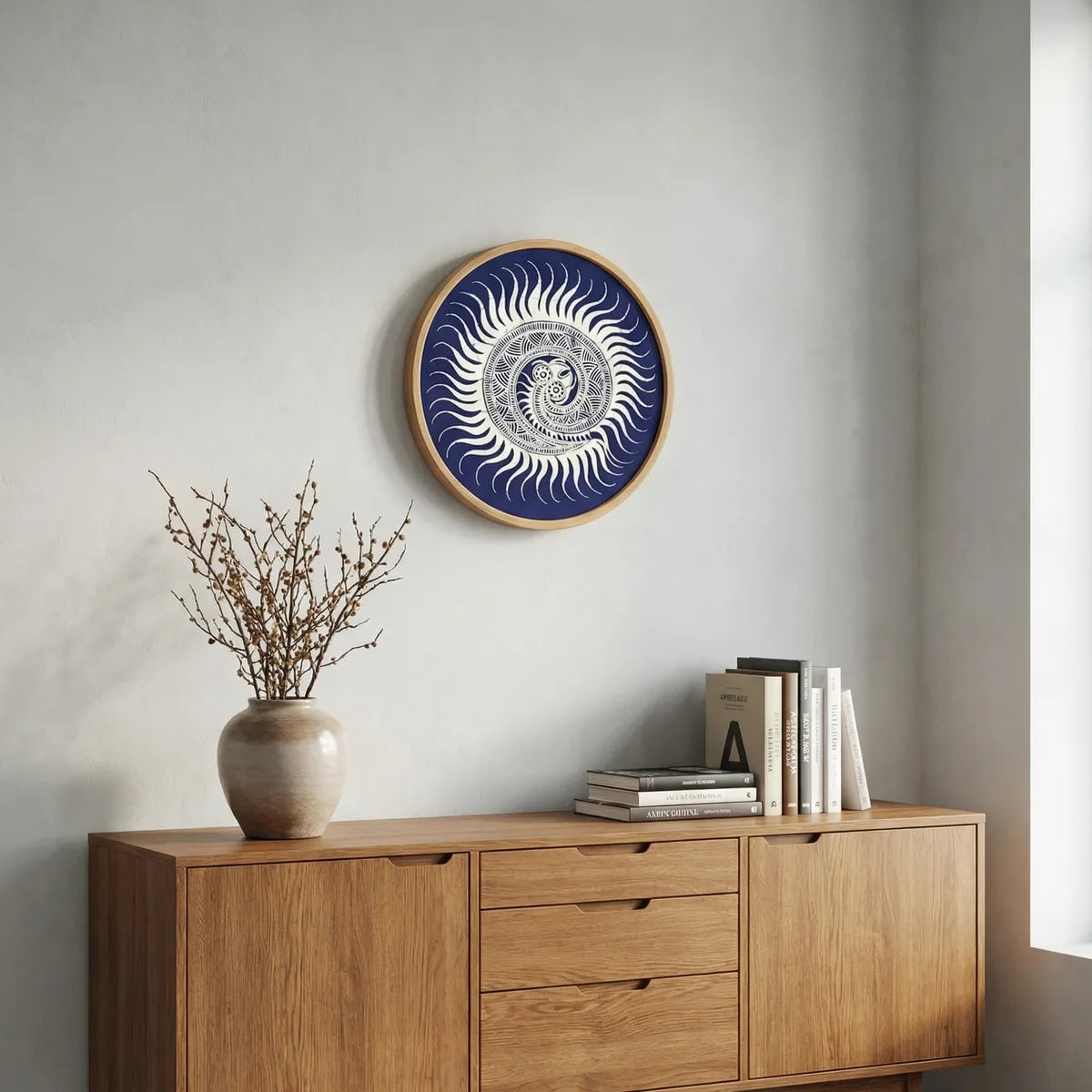
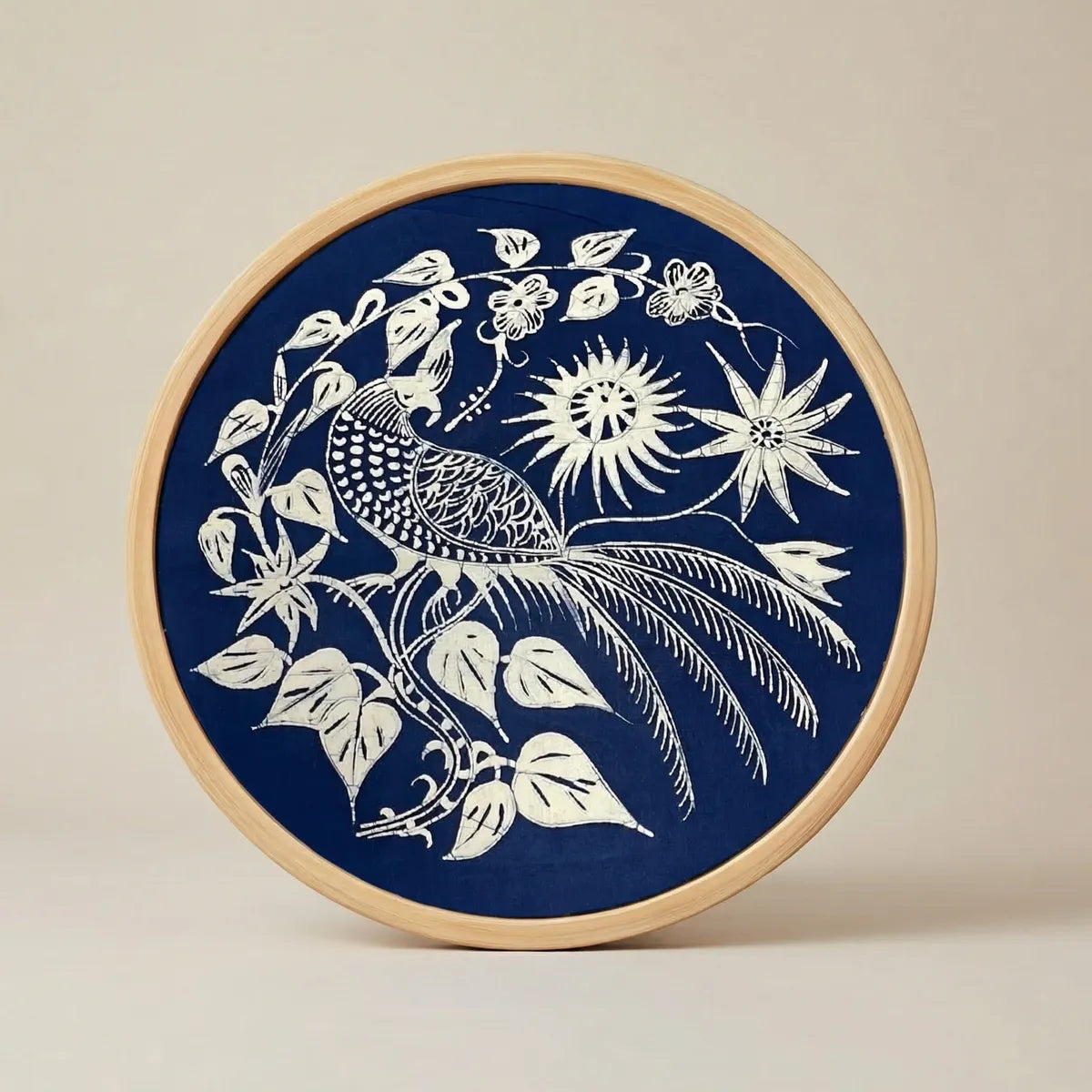
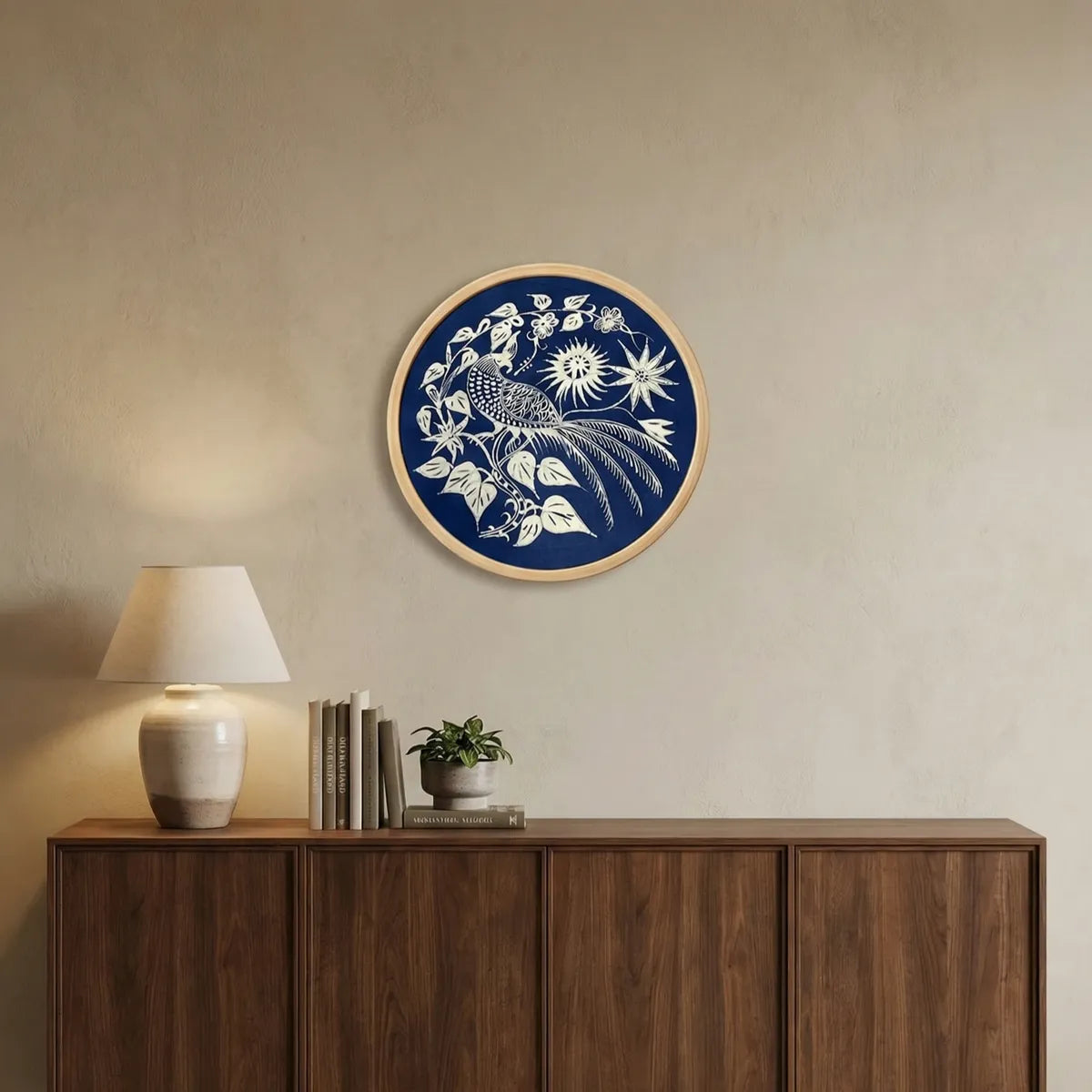
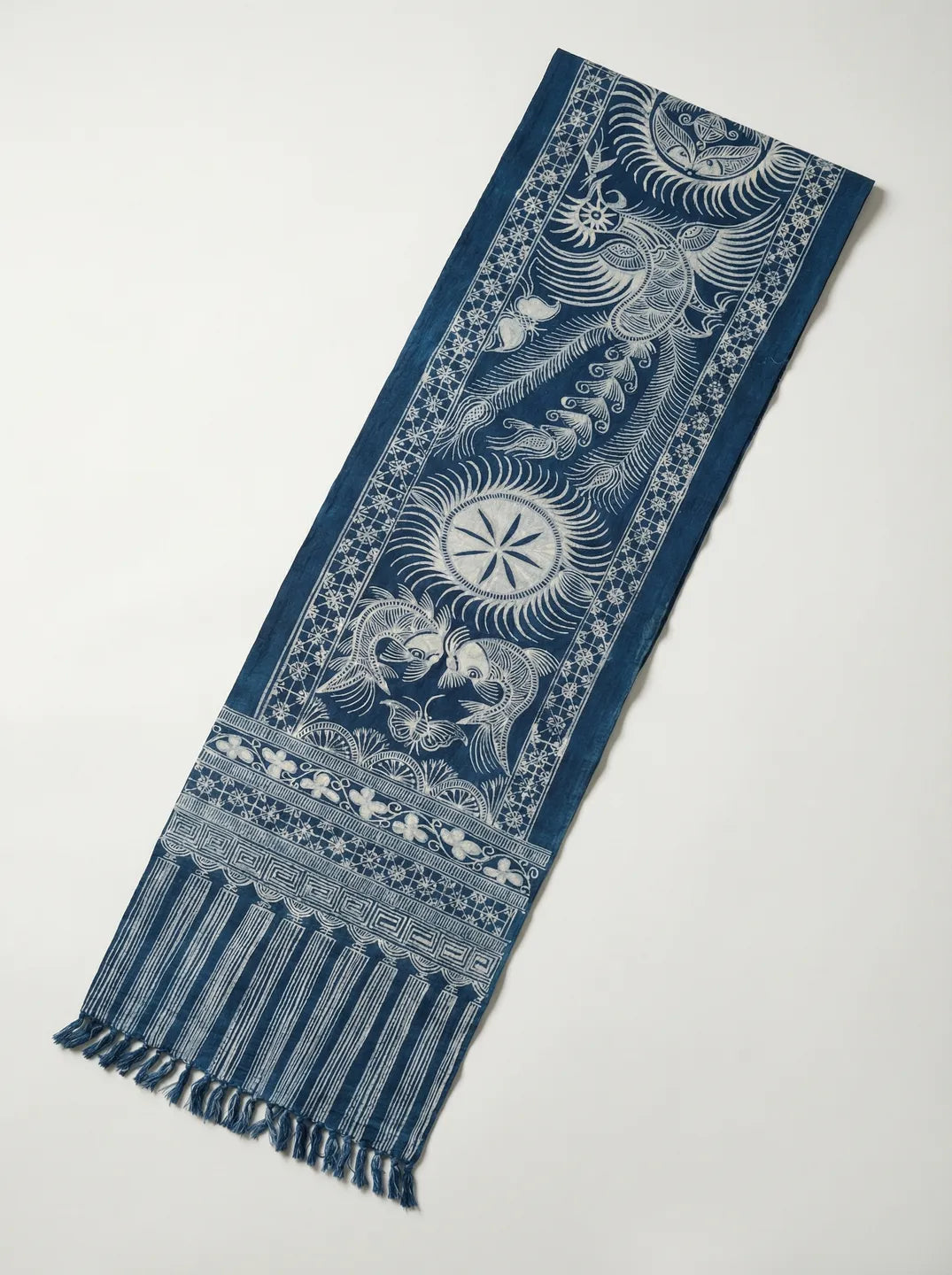
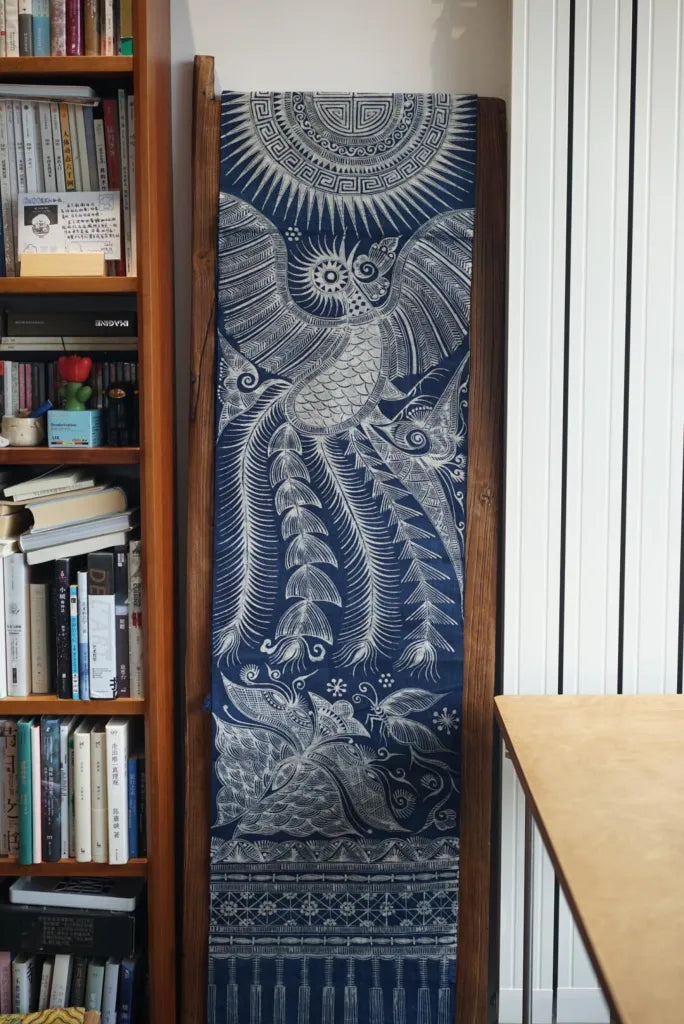
- Miao batik explains wax-resist patterning, indigo dye, and the handmade process behind blue-and-white textiles.
- Miao silver explains why silver ornaments appear so often with formal dress and public celebration.
- Miao embroidery explains how stitching, pattern, and garment detail carry regional identity.
What the word adds to a handmade piece
Material, size, and color can describe what a piece looks like. The word Miao helps explain where the piece comes from culturally. A batik textile carries pattern, process, and regional background. A silver piece carries adornment, occasion, and dress context. Together, the name and the object tell a fuller story.
This also helps avoid vague labels like "ethnic style" or "tribal look." Clear naming gives the reader a better path: first the people, then the object, then the craft background.
FAQ
What does Miao mean in China?
Miao is the standard Chinese term for the Miao people.
Is Miao the same as Hmong?
The terms are related in some contexts, but they are not exact substitutes in every region, community, or historical setting.
Why do Miao search results include batik and silver?
Batik textiles and silver ornaments are two of the most visible cultural forms connected with Miao communities.