

Miao batik artisan drawing wax-resist patterns on cloth

Miao Batik Artisans: How Handmade Indigo Cloth Is Made

Runy Luo
0 Comments

Craft guide

Quick answer

Miao batik artisans make indigo cloth by drawing hot wax onto fabric, dyeing the cloth, and then removing the wax to reveal the pattern. The work looks quiet from the outside, but it requires steady heat, hand control, memory of motifs, and patience through repeated dyeing and washing.

This article looks at the craft from the artisan's side: what the maker actually does, why the wax line matters, and how handmade batik differs from a printed pattern that only imitates the surface.

Miao batik artisan working with cloth and wax-resist technique
Miao batik begins with a hand-drawn wax line, not a printed design.

Who are Miao batik artisans?

Miao batik artisans are makers who practice wax-resist indigo dyeing within Miao textile traditions, especially in parts of Guizhou and southwest China. Many learn by watching family members work, then practicing the same motions until they can control wax flow, spacing, and line weight by hand.

The word "artisan" matters here because the finished cloth is not only a design. It is a record of decisions made during the process: how hot the wax was, how quickly the hand moved, how long the cloth stayed in dye, and how the pattern was balanced across the fabric.

What the artisan does step by step

  1. The cloth is prepared so the wax can sit cleanly on the surface.
  2. The artisan heats wax until it flows, but not so hot that it spreads too fast.
  3. A wax knife or batik tool is dipped into the wax.
  4. The design is drawn directly on the cloth, often without a printed guide.
  5. The cloth is dyed with indigo until the blue becomes deep enough.
  6. The wax is removed, leaving a white pattern where the dye could not enter.

Britannica describes batik as a resist process in which wax blocks dye from entering the cloth. That basic principle is shared across batik traditions, but Miao batik has its own tools, motifs, color habits, and local meanings.

Close view of an artisan drawing hot wax on cloth for Miao batik
The wax line controls what stays white after indigo dyeing.

Why the wax line is so important

In Miao batik, the wax line is both a drawing tool and a barrier. A thin line can create delicate detail. A heavier line can hold larger shapes. If the wax is too cool, it may sit unevenly and break too soon. If it is too hot, it can bleed into the cloth and blur the edge.

That is why handmade batik has a different feeling from a printed pattern. A printed textile can repeat the same mark perfectly. Handmade wax-resist cloth carries small changes from the maker's hand. Those changes are not flaws by default. They are evidence of the process.

Motifs are learned, not copied mechanically

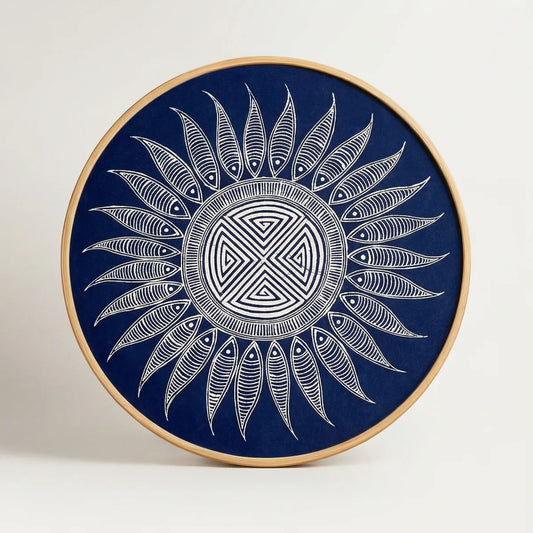
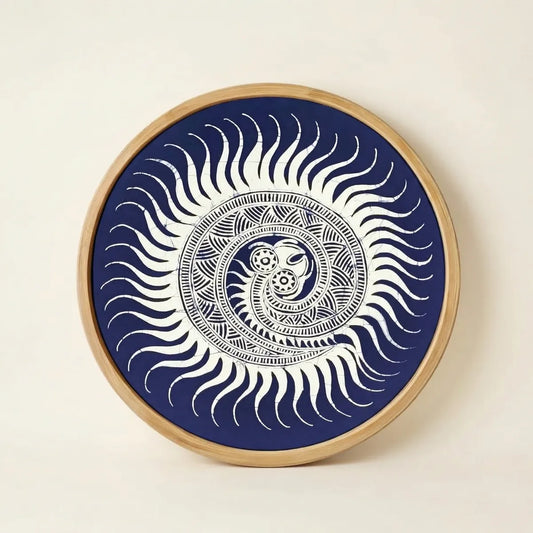
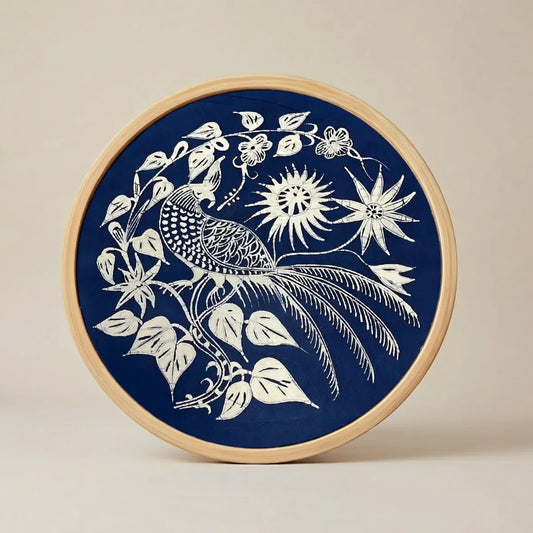
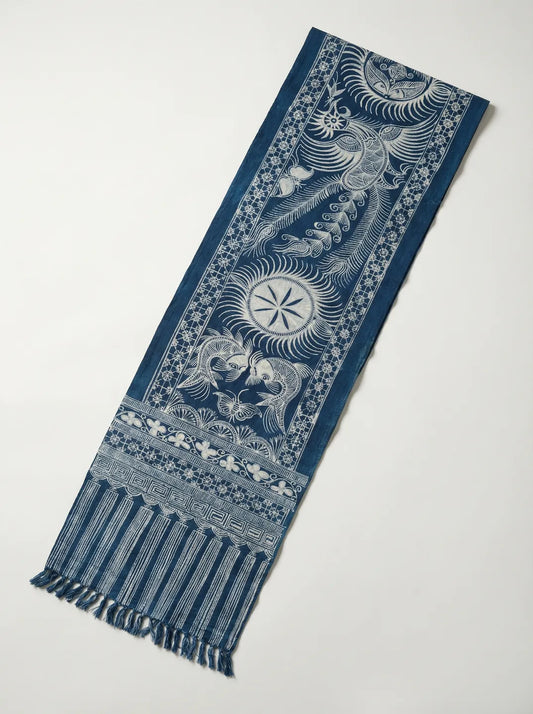
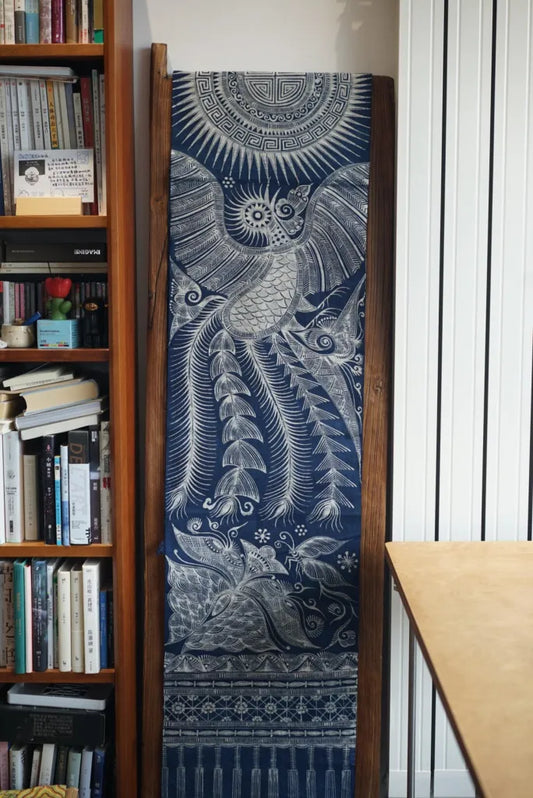
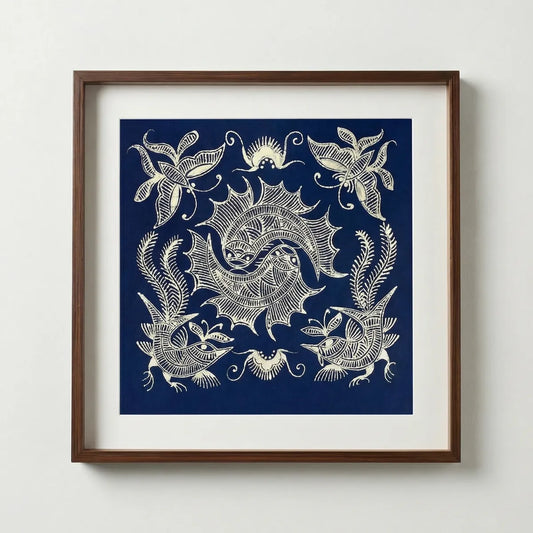
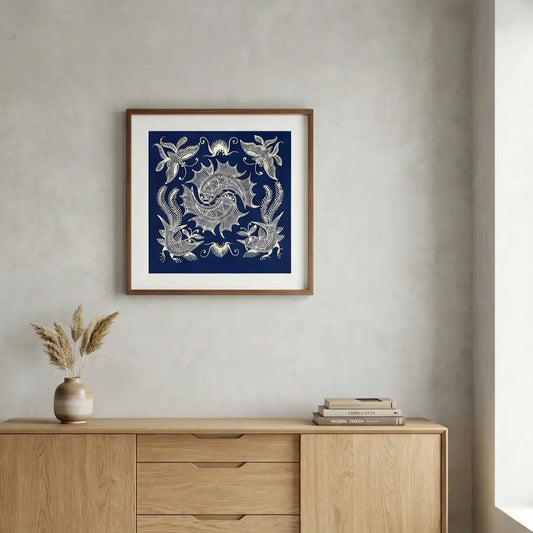
Miao batik patterns often include butterflies, birds, fish, flowers, spirals, geometric borders, and other local forms. The same motif can look different from village to village and from artisan to artisan. A butterfly may refer to origin stories. Fish may suggest abundance. Repeating borders can create rhythm or mark a safe boundary around a central design.

For a deeper look at pattern meanings, read Miao batik pattern meanings. If you are new to the cultural background, start with What is Miaozu culture?.

What makes handmade batik different from printed batik?

Feature Handmade Miao batik Printed batik-style fabric
Line quality Small variations from wax flow and hand movement Flat, repeated, and highly uniform
Color Indigo depth may vary slightly across the cloth Color is usually even from edge to edge
Surface May show natural dye marks and wax crackle Often smooth, with the design sitting visually on top
Value Reflects time, skill, and craft knowledge Reflects design reproduction and manufacturing scale

If you want practical checks before buying, this guide may help: How to tell handmade Miao batik from printed fabric.

The artisan's time is part of the object

A small batik piece can take hours before it even reaches the dye pot. A large wall hanging may require much longer because the artisan has to keep the design balanced across the full cloth. The hard part is not only drawing a pretty motif. It is keeping control while the wax changes temperature and the cloth absorbs dye in its own way.

This is also why two handmade pieces are rarely identical. Even if the same artisan repeats a design, the second piece will have different line pressure, crackle marks, and dye movement.

Miao women working together on batik cloth
In many communities, batik knowledge is learned through practice beside other makers.

How buying artisan-made batik helps

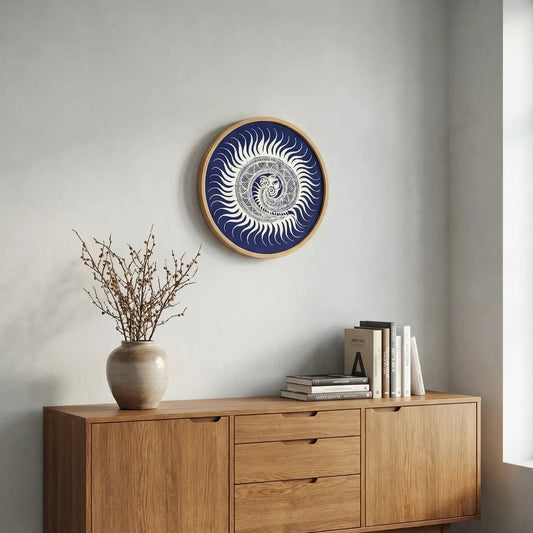
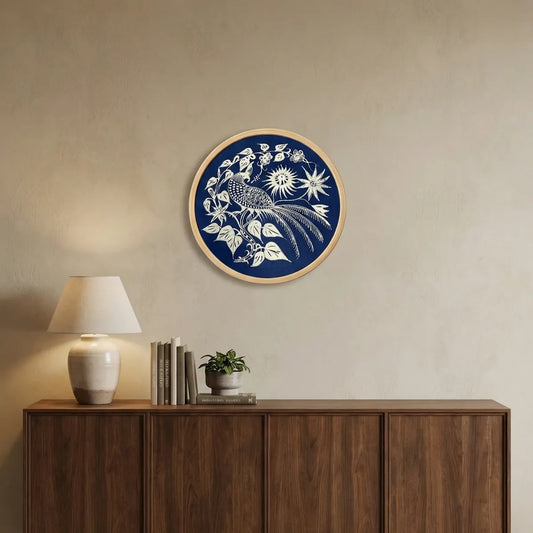
Buying artisan-made batik supports the time and skill behind the object. It also gives the craft a place in modern homes, where the textile can be used as wall art, table decor, a framed piece, or a meaningful cultural gift.

The point is not to freeze the craft in the past. A living craft has to keep being used, taught, bought, repaired, and reinterpreted. When a handmade textile reaches a new home with its story intact, the artisan's work travels further than the object itself.

You can browse current pieces in the Miao batik collection, or learn more about the broader textile process in Miao batik: meaning, process, symbols, and indigo craft.

Frequently asked questions

Are all Miao batik pieces made by hand?

No. Some products use printed batik-style patterns. Handmade Miao batik should show signs of wax-resist work, such as slight line variation, indigo depth changes, and natural crackle from the wax.

What tool do artisans use for Miao batik?

Many artisans use a wax knife, also called a Miao batik tool. It holds melted wax and lets the maker draw controlled lines on cloth. Learn more in What is a Miao batik tool?

Why is indigo common in Miao batik?

Indigo gives Miao batik its familiar blue-and-white contrast. The wax keeps parts of the cloth white while the exposed areas absorb dye.

Leave a Comment