

ヤン・アルラン:ミャオ・バティック作家の物語
簡単な回答
ヤン・アーランの物語は、ミャオ・バティックが単なる装飾ではなく、生きた技術であることを示しているため、重要です。彼の作品は、忍耐、手のコントロール、反復練習、そして個人的な困難を乗り越えて伝統工芸を継続できる方法を示しています。
ガイドセクション
貴州の山中で、ミャオ・バティックは日常生活から切り離されたものではありません。それは衣類、家庭用織物、そして手作りという静かな日常の中に生きています。ヤン・アーランにとって、それは彼女が受け継いだ伝統以上のものとなり、彼女の人生を再建するのに役立つ工芸品となった。

家庭で学ぶ工芸品
パイモ村では、バティックは長い間日常生活の一部でした。ミャオ族の女性の多くは、正式なレッスンではなく、何年も見たり実際に行ったりすることで、家庭でそれを学びながら成長します。パターンはメモリ内に保持されます。蝋と藍は身近な素材です。作られたものは、使用され、着用され、共に生きることを目的としています。
ヤン・アーランはこの世に生まれました。彼女は幼い頃から、コミュニティで何世代にもわたって受け継がれてきた伝統的なバティック技術を学びました。彼女が作った服はその美しさで地元で知られており、周囲の人々も彼女の丁寧な仕事と技術を認めていました。
当時、バティックはアート、デザイン、市場価値の観点から彼女の周囲で語られるものではありませんでした。それは単に生活の一部であり、実用的で美しく、ミャオ族の伝統に深く根ざしていました。

片腕を失い、再び出発する
18年前、山中で起きた事故が彼女の人生を変えた。楊爾朗さんは薪割り中に重傷を負い、右腕を失いました。
彼女の家族に与えた影響は大きかった。治療により彼らには借金が残り、日常生活の現実的な困難が突然大きくなりました。ヤン・アーラン自身にとって、その喪失は肉体的なものだけではなかった。それは、仕事、独立、手の使い方に結びついた彼女のアイデンティティの部分を揺るがした。
しばらくの間、人生が不安に感じられました。しかし、ゆっくりと彼女を取り戻したのは、彼女が子供の頃から知っていたまさにその工芸品でした。
彼女は再び左手で始めました。
彼女は伝統的なものを取り入れましたバティックワックスナイフツールの持ち方、ワックスのコントロール方法、布の上で着実に移動する方法など、すべてをもう一度学び直しました。それはすぐにはできませんでしたし、簡単でもありませんでした。しかし、一行ずつ、彼女は仕事に戻りました。

手作りバティックの本当の意味
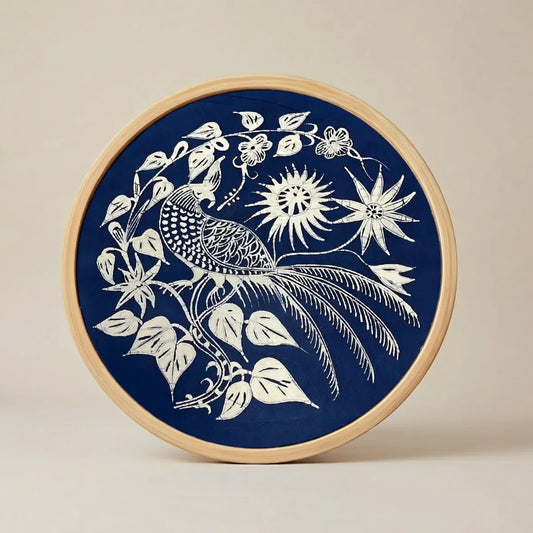
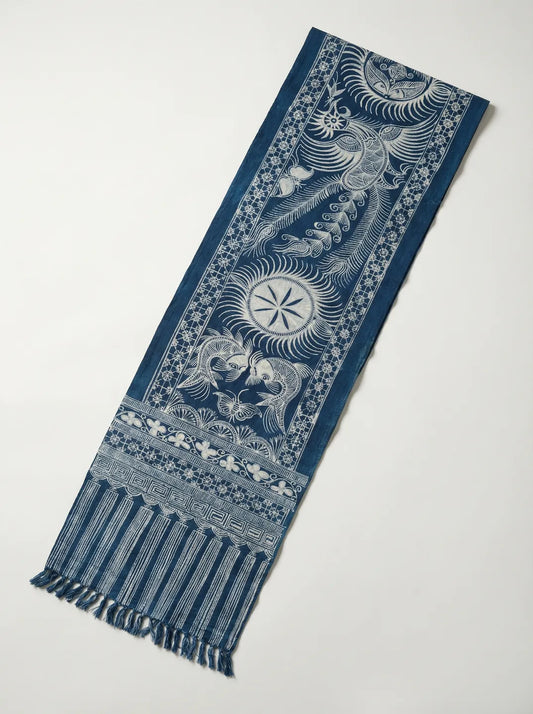
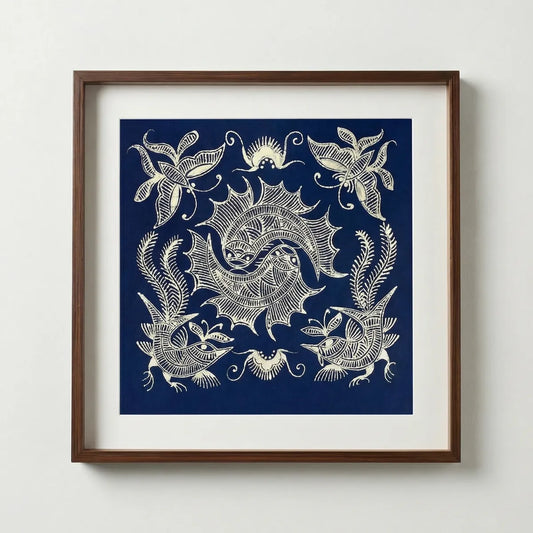
これがなぜそれほど重要なのかを理解するには、次のことを理解するのが役立ちます。手作りのバティック作られています。ミャオ・バティックはワックスレジスト染色プロセス: 溶かしたワックスを、通常は小さなワックスナイフを使って布地に直接描き、布地を染色します (多くの場合、インディゴで)。ワックスを取り除くと、暗い表面に対して淡い線で模様が現れます。
プロセスは簡単に思えますが、それは完全に人の手にかかっています。ワックスの温度は適切に感じられる必要があります。圧力を制御する必要があります。ラインは自信を持って動かなければなりません。そのため、手作りのバティックは、どの作品も同じように感じることはありません。バリエーションは作品の命の一部です。
このプロセスの背後にあるツールについてさらに詳しく知りたい場合は、次のガイドを参照してください。高品質のバティックワックスナイフの見分け方.
Yang Erlang はこのプロセス全体を片手で学び直しました。時間が経つにつれて、彼女の左手はかつての右手と同じように安定して表現力豊かになりました。今日完成した彼女の作品を見ても、ほとんどの人はその背後にある道筋を決して推測できないでしょう。
工房では、若い職人たちが彼女の周りに集まり、見守ったり学んだりすることがよくあります。彼女は、この工芸品は一世代だけに留まるものではなく、時間の経過とともに消え去るものではなく、継続されるべきだと信じているので、辛抱強く自分の経験を共有します。

彼女の人生を変えた伝統工芸品
ミャオ・バティックの注文が増えるにつれ、この工芸品はそれを作る女性たちの生活に本当の変化をもたらし始めました。 Yang Erlang にとって、これは単なる評価以上の意味がありました。それは安定を意味していました。それは古い借金を返済することを意味していました。それは、子供を大学までサポートできることを意味しました。
かつては普通の村のスキルのように思われていたものが、新たな意味を帯びるようになりました。彼女は、これが時代遅れのものでも、時代遅れのものでもないことをより明確に認識し始めました。それは現代でも価値のある生きた伝統でした。
その認識が重要です。伝統工芸は遠くから賞賛され、作り手の生活は無視されることがあまりにも多い。しかし、工芸品が最も生き残るのは、それが現実の生活の一部であり、家族をサポートし、若い人たちがまだ学ぶことができ、ルーツを失わずに適応し続ける場合です。

ヴィレッジクロスから現代生活へ
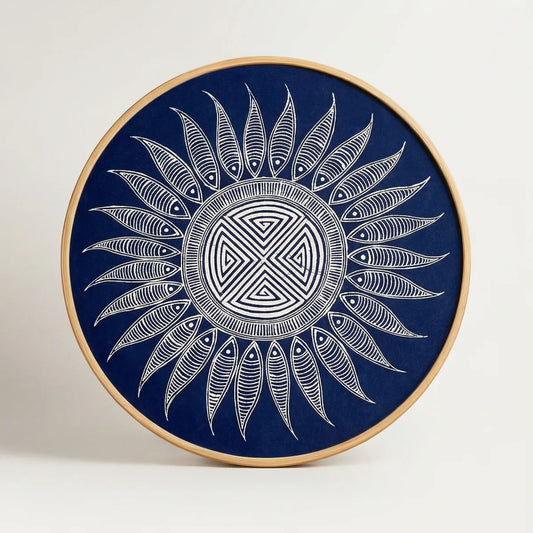
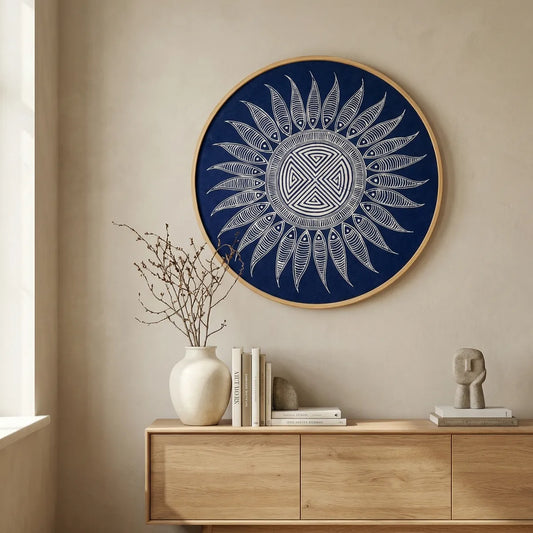
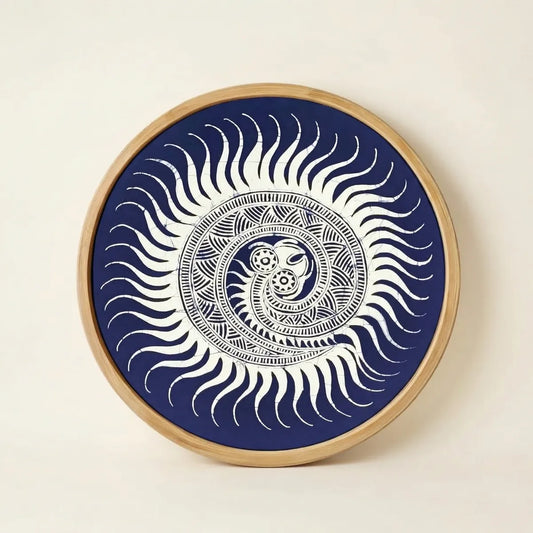
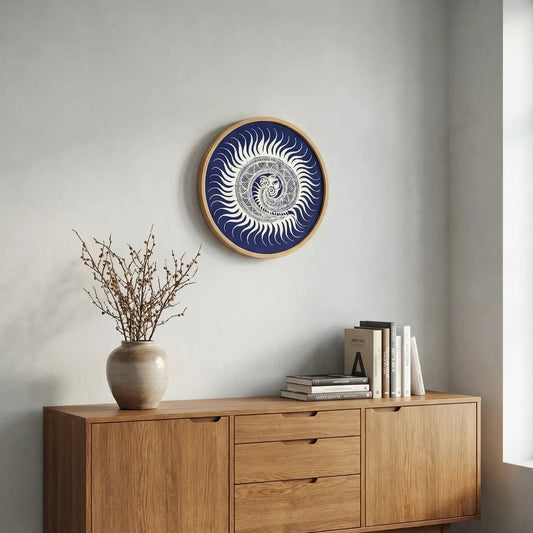
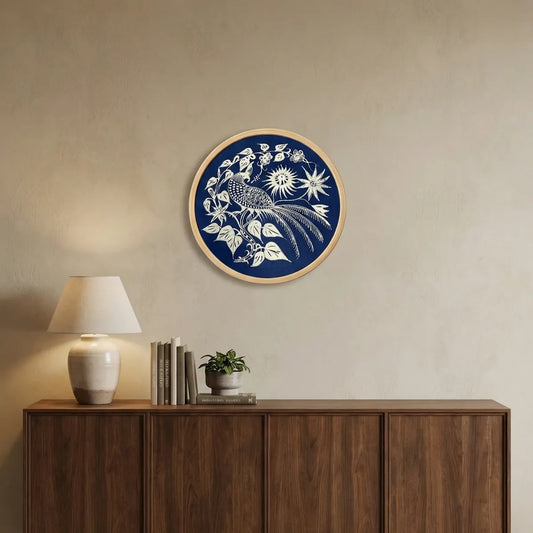
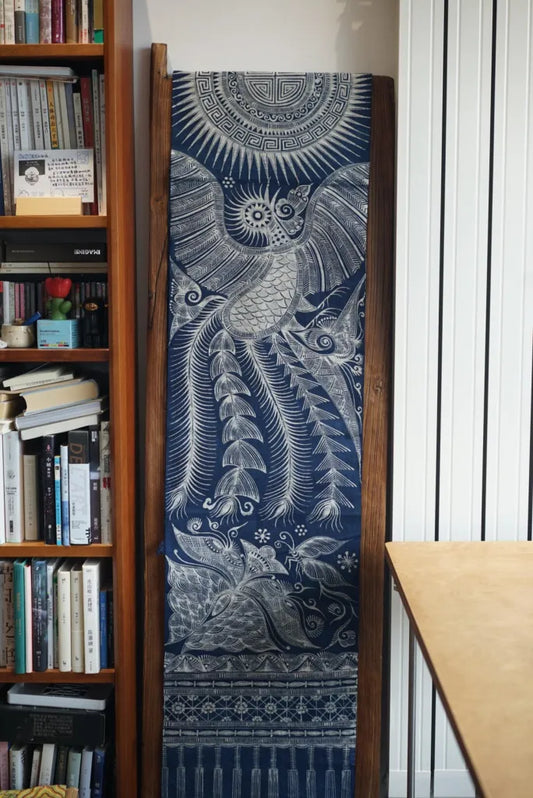
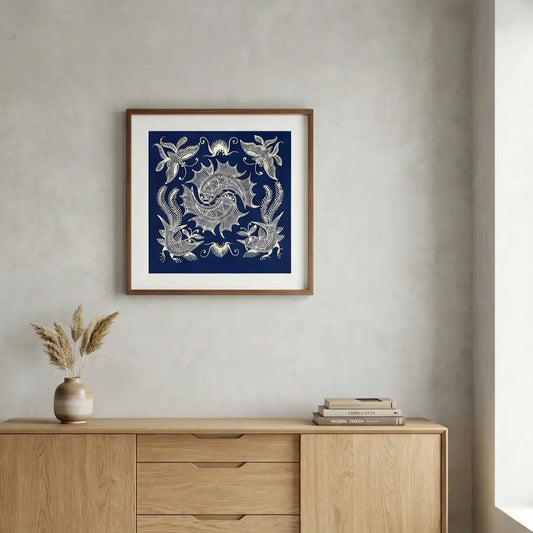
今日では、かつて伝統的な衣服に主に見られたのと同じ視覚的言語が、バッグ、壁用テキスタイル、室内装飾など、現代的な用途のために作られた作品にも見られます。形は変わりますが、ものづくりの精神は変わりません。
たとえば、ミャオ・バティックバッグは、貴州省から遠く離れた現代都市を移動しながらも、古い伝統に属する同じ手描きの線、同じ藍色の表面、同じ個体差の感覚を保持しています。
この伝統によって形づくられた作品をもっと見ることができます。手作りのミャオ・バティックコレクション.
彼女の物語が人々の心に残る理由
ヤン・アーランさんの物語がこれほど感動的なのは、彼女が片手で仕事をすることを学んだということだけではありません。それは、彼女が深く慣れ親しんだものに立ち返り、それを通して自分の人生を再構築したということです。
彼女は再び始めるために伝統を捨てませんでした。彼女は元に戻りました。彼女が幼い頃から知っていたこの工芸は、苦難を乗り越える道となり、後には誇りの源となった。
彼女はこれについてはっきりと語った。これはミャオ族の工芸品であり、時代遅れではない。
その信念には静かな力が宿っている。伝統は古いからだけでは価値がない、ということです。それはまだ生きていて、まだ役に立ち、まだ意味があり、今も手作業で作られているので価値があります。
生きた伝統
ミャオ・バティックは文化遺産であるとよく言われますが、それは事実です。しかし、ヤン・アーランのような物語では、それは仕事、記憶、回復力、継続といった、より直接的なものでもあります。
誰かがまだワックスを加熱しています。今でも誰かがワックスナイフを持ち上げています。今でも誰かが手で線を引いています。
それがこの伝統を強力なものにしているのです。それは単なる過去の思い出ではありません。作り続ける人々の手の中で、今も続いています。
Runystore では、伝統的なミャオ・バティックが今も手作りされている貴州省の職人と協力しています。それぞれの作品にはパターンだけでなく、その背後にある時間、技術、生きた経験が込められています。
| 物語が示すもの | なぜそれが重要なのか | 関連する読者の質問 |
|---|---|---|
| ハンドコントロール | バティックは安定したワックスラインに依存します | ミャオ・バティックはどのように作られるのですか? |
| 練習する | スキルは時間の経過とともに成長します | なぜ手作りの方が値段が高いのでしょうか? |
| 回復力 | 困難を乗り越えてクラフトを続けることができる | これらの織物を作っているのは誰ですか? |
| コンテクスト | 物体の後ろには人がいる | 敬意を持って購入するにはどうすればよいですか? |
よくある質問
なぜ一人の職人について書くのでしょうか?
具体的なストーリーがあると、工芸品が理解しやすくなり、覚えやすくなります。
この記事はプロセス ガイドに代わるものですか?
いいえ。仕事の人間的な側面を示すことで、プロセス ガイドをサポートします。
購入者はこのストーリーをどのように活用すべきでしょうか?
表面のパターンだけでなく、実際のプロセスを確認するためのリマインダーとして使用してください。
タグ: