

Batik Miao en la moda: como se usa hoy el indigo artesanal
respuesta rapida
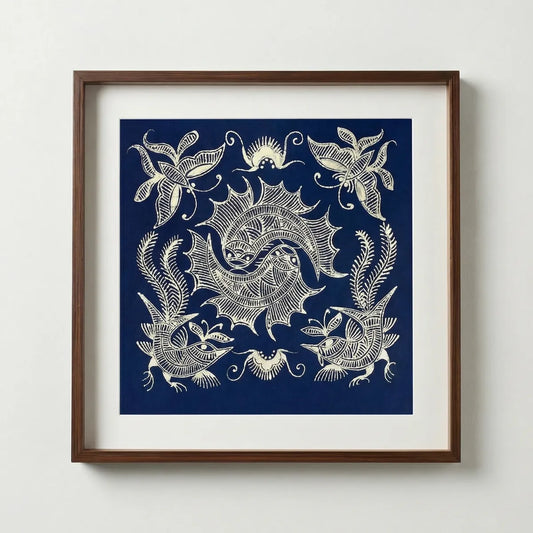
Miao batik puede funcionar en la moda moderna cuando la prenda o accesorio aún respeta el proceso hecho a mano y resistente a la cera. Las piezas más fuertes no tratan el batik como un modelo aleatorio. Mantienen visible la tela índigo, el ritmo de los patrones y la historia de la artesanía.
Secciones de guía
Del textil de festival a la ropa moderna
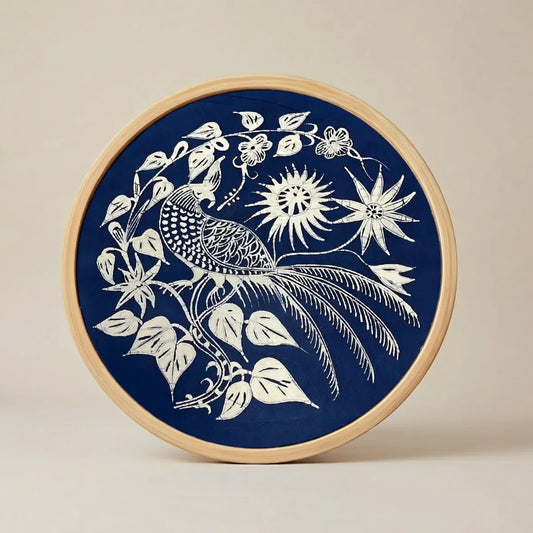
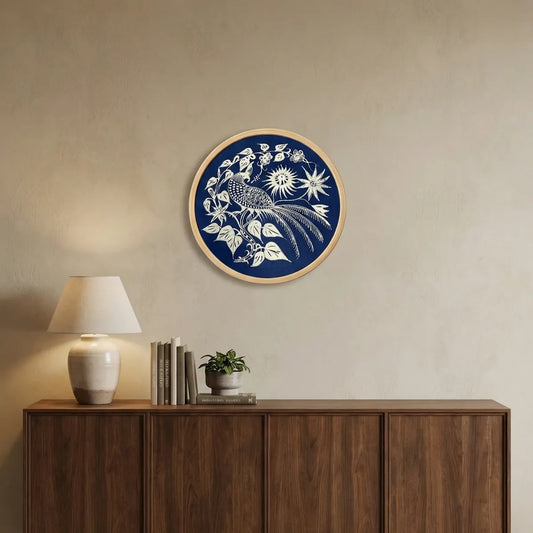
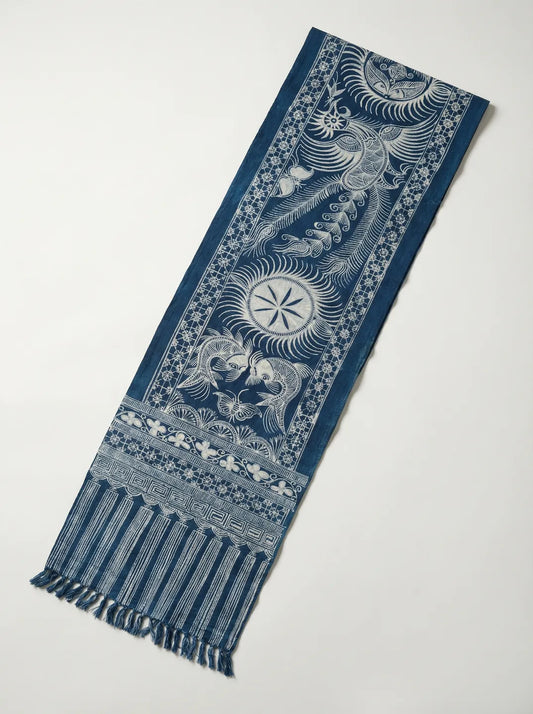
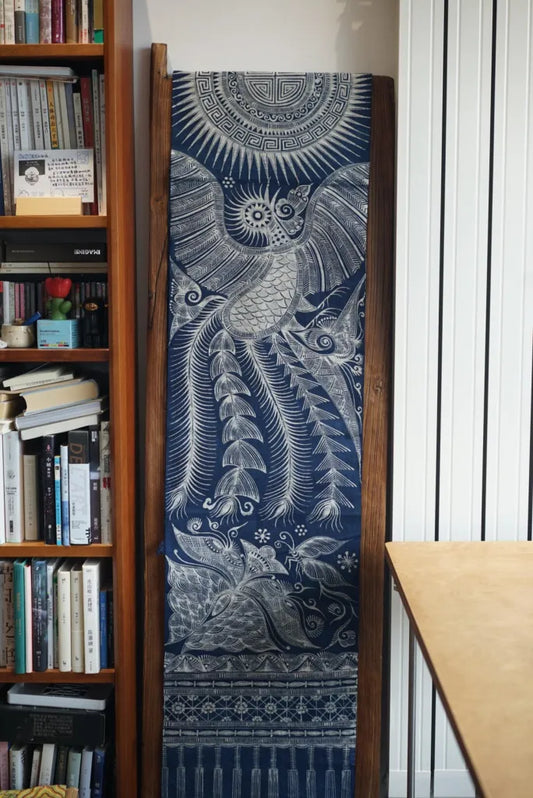
Miao batik ha aparecido durante mucho tiempo en ropa, delantales, faldas, paneles y textiles para el hogar. Hoy en día, el mismo lenguaje visual puede aparecer en chaquetas, bolsos, bufandas y accesorios.
El cambio funciona mejor cuando el fabricante y el material permanecen visibles. El batik no debe tratarse como una impresión plana que pueda copiarse sin contexto.
Por qué el índigo combina con el estilo moderno
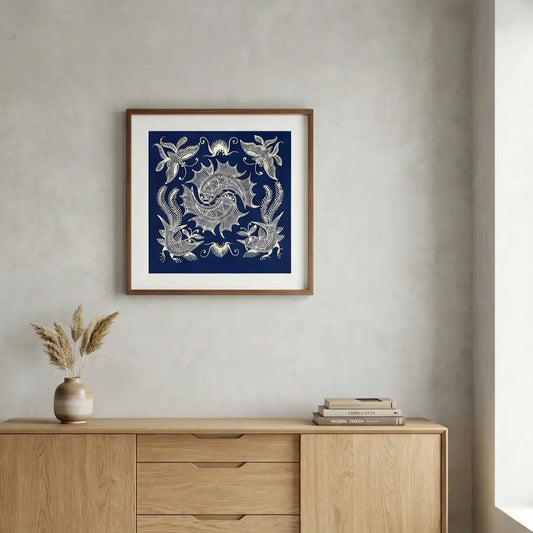
El índigo y el blanco son fáciles de usar porque la paleta es fuerte pero sobria. Un panel de batik puede combinarse con mezclilla, lino, algodón negro, camisas blancas o telas naturales simples.
El estampado aporta textura sin necesidad de muchos colores. Eso lo hace útil para las personas que desean detalles hechos a mano sin un atuendo llamativo.

Cómo evitar el disfraz
Utilice una pieza de batik a la vez. Una chaqueta, un bolso tote de batik, una bufanda o un pequeño accesorio suelen lucir más fuertes cuando el resto del conjunto es sencillo.
Si cada elemento tiene un patrón, la artesanía se vuelve más difícil de ver. Dale espacio al textil.
Qué comprobar antes de comprar
Busque detalles claros del material, información del proceso, fotografías de primeros planos y lenguaje honesto sobre si la pieza está hecha a mano o impresa. Un artículo de moda aún puede ser respetuoso si nombra correctamente la artesanía.
Evite listados que utilicen palabras vagas sin explicar la técnica real.
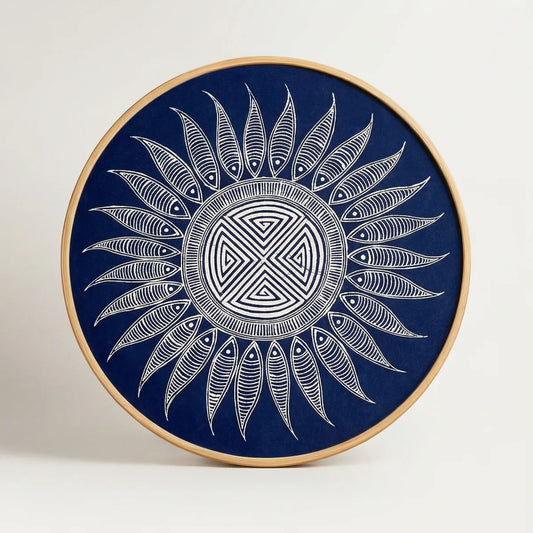
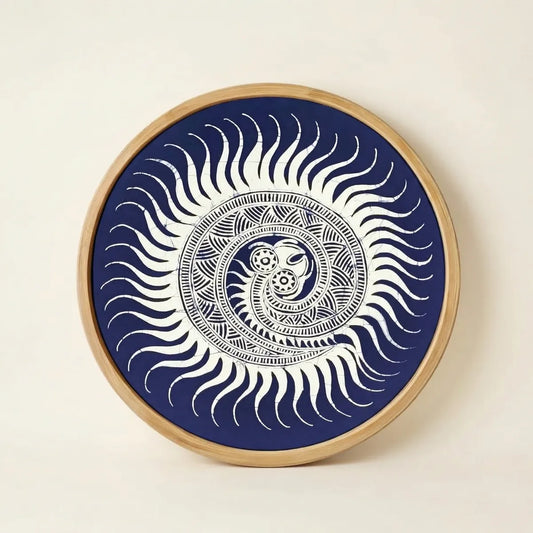
Miao Batik, tradicionalmente conocido como "La Xie", es una de las técnicas de teñido más antiguas de China, junto con el teñido anudado (Jia Xie) y la impresión con esténcil (Jia Xie). Hace más de 2.000 años, durante las dinastías Qin y Han, el ingenioso y creativo pueblo Miao dominaba esta detallada forma de arte. Inicialmente, el batik se utilizaba para crear prendas de vestir como blusas, faldas largas y delantales, así como artículos para el hogar como ropa de cama. Con el tiempo, evolucionó hasta convertirse en un símbolo distintivo de la cultura Miao, una tradición que perdura hasta el día de hoy.
El batik Miao es particularmente frecuente en varias regiones de la provincia de Guizhou, incluidas Danzhai, Huangping, Kaili, Rongjiang, Anshun y Zhijin. En estas áreas, las comunidades Miao, a menudo aisladas por terrenos difíciles, desarrollaron un estilo de vida autosuficiente que incluía el cultivo de añil, el hilado de algodón, el tejido, el encerado, el teñido y la confección. A lo largo de generaciones, han preservado y transmitido este antiguo oficio, incorporándolo al tejido de su vida diaria. El arte batik influye no sólo en la ropa y los accesorios, sino también en las costumbres nupciales, los festivales, los rituales sociales e incluso las prácticas funerarias.

En la cultura Miao, se espera que cada mujer aprenda y transmita el arte del batik. Desde pequeñas, las niñas Miao comienzan a dominar todo el proceso: cultivar el añil, hilar y tejer telas, dibujar con cera, teñir y cortar. Esta tradición comunitaria ha llevado a la creación de una rica cultura centrada en el batik, que influye profundamente en las costumbres y prácticas sociales locales.

El proceso del batik comienza con la tela, que normalmente es tejida a mano por mujeres Miao. Esta tarea es físicamente exigente y requiere mucho tiempo, y requiere un alto grado de paciencia y habilidad. El tejido en sí implica múltiples pasos complejos y diversas herramientas, lo que lo convierte en una tarea que requiere mucha mano de obra.

La parte más difícil comienza con la aplicación de la cera, donde incluso operaciones aparentemente simples, como mantener líneas de cera consistentes, exigen precisión y control. Los diseños a menudo parecen engañosamente simples, pero crear patrones detallados requiere años de práctica. Antes de dibujar, la tela se suele colocar sobre una tabla de madera para evitar que la cera caliente dañe la superficie de trabajo. La cera se derrite en una olla sobre un pequeño fuego de carbón, manteniendo la temperatura entre 70 y 80°C (158-176°F). Una temperatura demasiado baja y la cera se solidifica, demasiado alta y humea, por lo que es importante un control cuidadoso. La cera se aplica con una herramienta especial, y la cantidad de cera en la herramienta debe ser la correcta: si es demasiada, gotea, y si es muy poca, el diseño no se transferirá correctamente. Los principiantes suelen dibujar el diseño en la tela con un bolígrafo soluble en agua antes de aplicar la cera.


El proceso del batik implica varios pasos clave: preparar el índigo, teñirlo, encerarlo, enrollarlo y lavarlo. Según el texto de la dinastía MingTiangong Kaiwu(La explotación de las obras de la naturaleza) de Song Yingxing, se pueden utilizar cinco tipos de plantas índigo, como el azul té, el azul liao, el azul caballo, el azul wu y el azul amaranto, para producir el tinte. Hoy en día, el pueblo Miao suele utilizar una combinación de materiales como hojas aromáticas, hojas de alcanfor, té kuding, pimienta silvestre y raíces de flores silvestres. Si no hay raíces de flores silvestres disponibles, pueden sustituirlas por escaramujos. Algunas áreas también agregan hierbas especiales para lograr colores más profundos.

Estas plantas se plantan en primavera y se cosechan en otoño, tras lo cual se fermentan con agua de cal para producir índigo. El índigo, junto con lejía, vino de arroz, vinagre y agua, se mezcla en una tina y se deja reposar durante una semana a temperaturas superiores a 20°C (68°F). Cuando el agua adquiere un color azul verdoso y se forma espuma azul en la superficie, la tina está lista para teñir. El proceso requiere agitar regularmente con una vara de bambú para activar el tinte. En invierno, es necesario remover la tina con menos frecuencia. Si el tinte comienza a oler picante o a hacer menos espuma, se agrega más índigo o vino de arroz.

El pueblo Miao siente un profundo respeto por el proceso de teñido y a menudo se refiere a la tina como "viva" o "transformada". Dicen: "Si el tinte no funciona, simplemente está dormido". Aunque los métodos modernos han simplificado algunos de estos pasos, la calidad de los resultados suele ser inferior a la de los métodos tradicionales, y los colores se desvanecen o cambian con el tiempo.

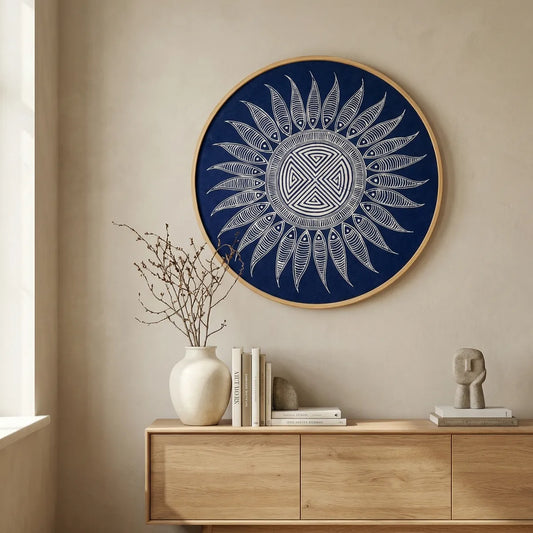
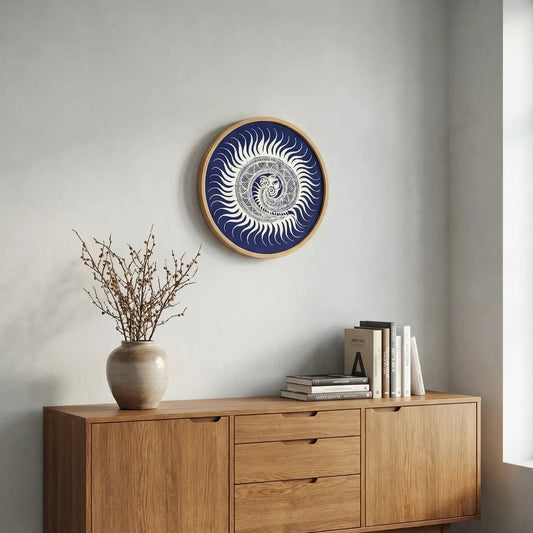
Hoy en día, a medida que el mundo está cada vez más interconectado, el Miao batik es una tradición textil hecha a mano que aún se adapta al uso moderno manteniendo visibles sus raíces artesanales.

| Usar | La mejor elección de estilo | Por que funciona |
|---|---|---|
| Chaqueta o chaleco | Capas base lisas | Deja que el panel batik destaque |
| Bolsa | traje neutro | Agrega textura hecha a mano sin patrón completo |
| Bufanda | escote sencillo | Mantiene el motivo legible |
| Accesorio | Solo una pieza de batik | Evita el efecto disfraz. |
Preguntas frecuentes
¿Se puede utilizar Miao batik en la moda?
Sí. Puede funcionar en prendas de vestir y complementos cuando el tejido hecho a mano permanece visible y debidamente descrito.
¿Todos los artículos de moda batik están hechos a mano?
No. Algunas prendas utilizan telas estampadas estilo batik, así que consulte las fotografías en primer plano y los detalles del proceso.
¿Qué colores combinan bien con el batik Miao?
El batik índigo combina bien con materiales negros, blancos, crema, vaqueros, lino, marrones y naturales.
Etiquetas:
Artículo anterior
¿Qué es el bordado Miao? Puntadas ancestrales, símbolos y arte textil
Artículo siguiente
Miao Batik y la memoria cultural: por qué son importantes los patrones