



How to Wash and Care for Indigo Batik Textiles
The short answer
Handmade batik pieces vary in construction. Before using water, check the product-specific care information. If none is available, treat the piece as unsuitable for wet cleaning until its construction is confirmed. A washable cotton piece can be cleaned on its own in cool water, but framed wall art, mixed-material accessories, old cloth, and textiles with loose threads should stay out of the wash.
If you are wondering how to wash indigo batik, the most useful answer starts with the object rather than the dye alone. The blue is not perfectly flat, the wax lines carry small changes in pressure, and one section of cloth may be deeper in tone than another. Good care protects that character without treating every mark as a problem to be removed.
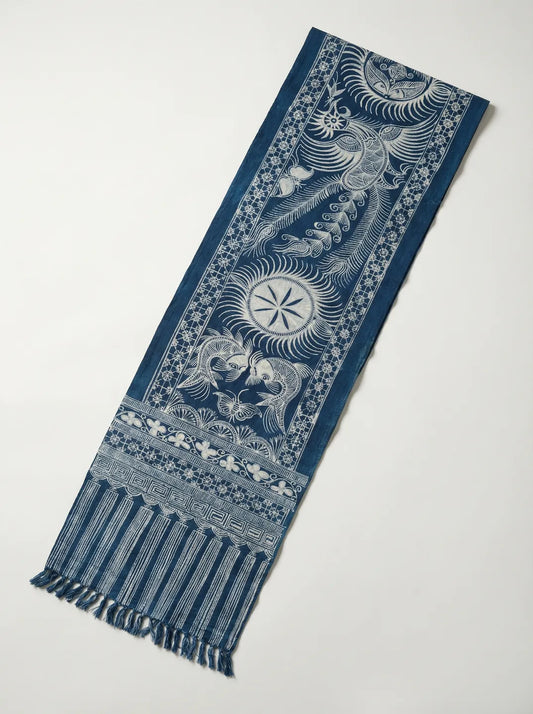
Our Miao batik collection includes cotton bags, table runners, framed and unframed wall pieces, and small accessories. They cannot share one washing rule. Start with how the handmade piece is built, then decide whether water belongs anywhere near it.
Before cleaning, look at how the piece is built
Open the product page and look at the material and construction. Check whether the cloth is loose, lined, embroidered, fringed, framed, backed, or joined to wood or metal. When several materials are combined, the part most sensitive to water determines how the whole object should be handled.
If the product information does not answer the question, take the conservative route and avoid wet cleaning. A method that works for a cotton tote may damage a mounted textile or a small accessory with a rigid base. Treat the exact piece in front of you, not batik as one uniform product category.

| Type of batik item | Best starting point | What to avoid |
|---|---|---|
| Cotton tote or simple cloth accessory | Runystore's cotton batik tote bag can be washed briefly by hand in cool water when needed. | Hot water, bleach, harsh detergent, long soaking, hard twisting |
| Table runner or loose decorative cloth | Remove dry crumbs gently. Wet-clean a handmade batik table runner only when its full construction is known to tolerate water. | Routine washing after every use, stain scrubbing, tumble drying |
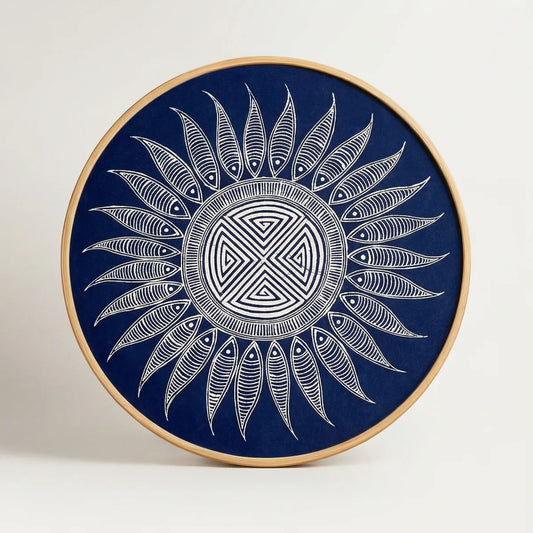
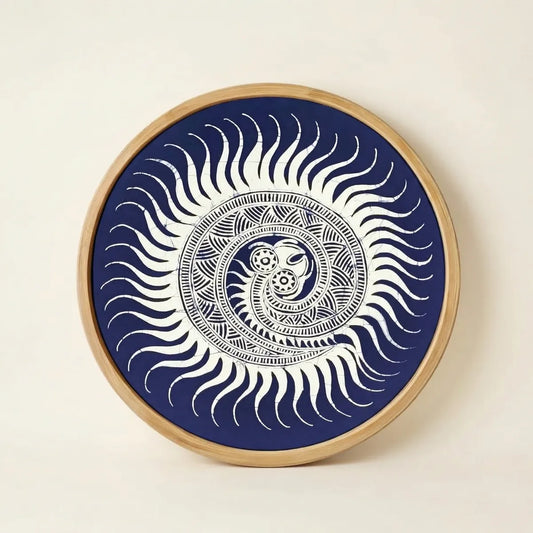
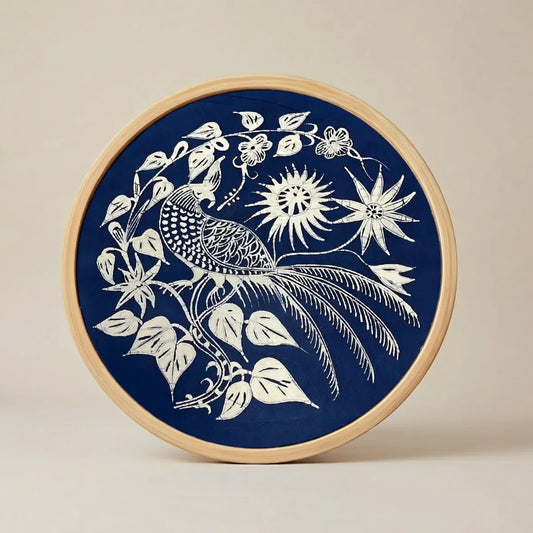
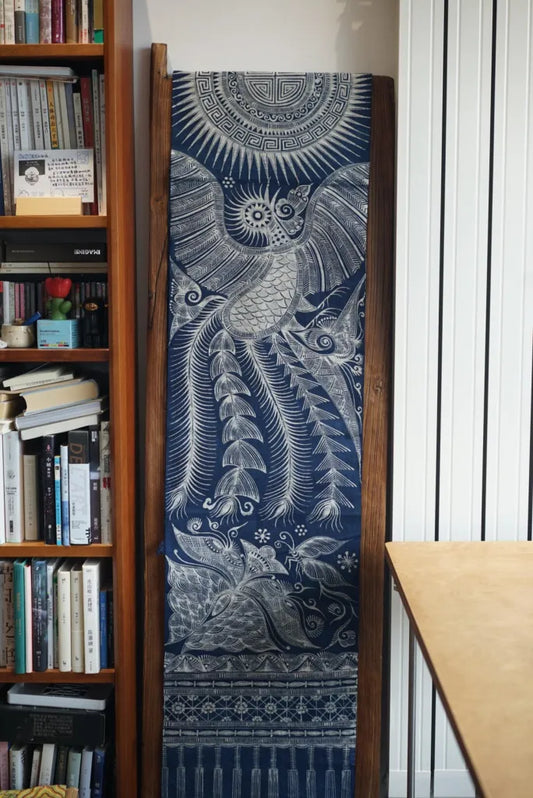
| Unframed wall textile | Keep batik wall art away from dust and damp walls, and handle loose cloth with clean, dry hands. Do not wet-clean it by default. | Household vacuum heads, vigorous brushing, direct sprays |
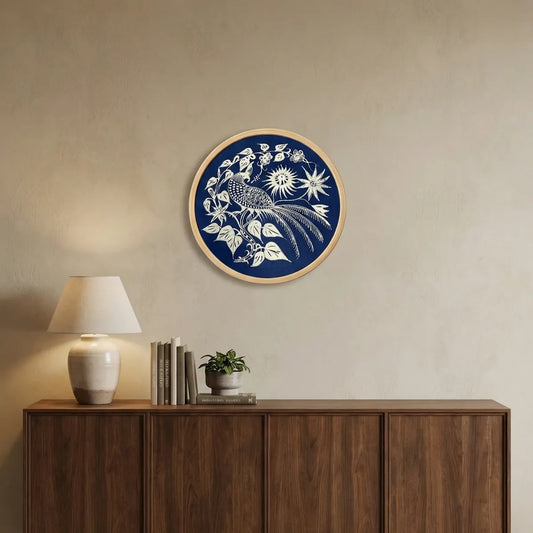
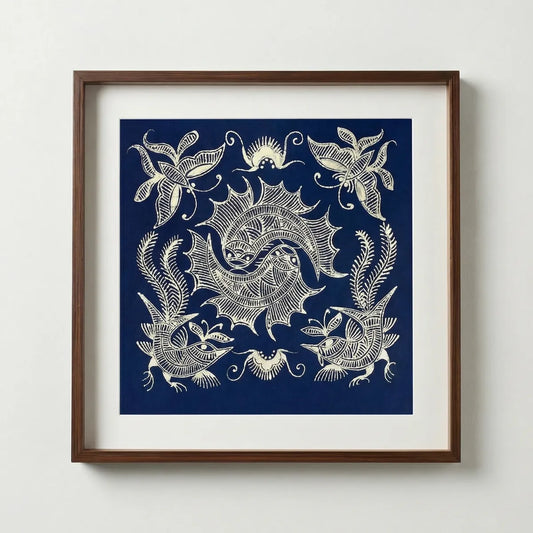
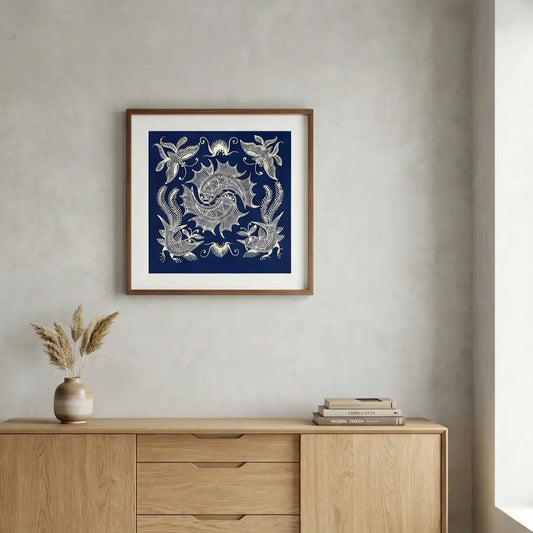
| Framed, mounted, embroidered, or mixed-material piece | Keep it dry. Clean the frame separately and consult a conservator for a fragile or valuable textile. | Immersion, steam, soaking, cleaners that can reach the textile |
Can you wash indigo batik?
Some simple cotton batik pieces can be hand-washed, but being handmade does not make every batik object washable. Use the method below only for a simple cotton piece with product-specific guidance that permits wet cleaning and no fragile trim, backing, filling, wood, or metal. Washing should be occasional rather than part of a routine.
How to hand-wash a washable batik bag or loose cloth
- Wash the item alone.Some indigo-dyed cloth can release color, especially when it is new. Keeping it separate protects lighter laundry and lets you see how the water changes.
- Use cool water.Fill a clean basin with enough water to move the cloth without crushing it. Skip salt, vinegar, bleach, stain removers, optical brighteners, and improvised “color-fixing” recipes.
- Keep it brief.Move the cloth gently through the water. Do not rub one section against another. If a little cleaning product is needed, use a small amount of mild soap and rinse it out promptly.
- Support the wet textile.Lift it with both hands or from underneath. Wet cloth is heavier, and letting a large piece hang from one corner places strain on seams and fringe.
- Remove water without wringing.Press the textile between clean, colorfast towels. Twisting can distort the cloth and pull at stitched edges.
Stop if the color moves heavily
A small amount of color in the water does not tell you everything about the dye, but strong transfer, patchy color change, or bleeding into pale areas is a reason to stop. Rinse briefly with cool water and support the item while lifting it. Stop home treatment; a fragile, old, or valuable piece should be assessed by a textile conservator.
Dry slowly, away from direct sun
Lay small pieces flat on a clean towel or support a larger textile across a broad drying surface. If you hang a sturdy washable item, spread its weight rather than using one or two clips on a fragile edge. Keep it away from radiators, tumble dryers, and long periods of direct sunlight.
Freshly made batik is often photographed outdoors during workshop finishing. Home care has a different goal. Once the textile is yours, shade and steady air movement are kinder to the color than strong sun. Let the item dry completely before folding it or putting it back in a drawer.

Deal with dust and spots without turning them into damage
For a tote bag or runner, deal with a fresh spill by blotting with a clean white cloth. Do not rub the mark outward or reach immediately for a stain remover. Test any damp treatment on a hidden area first, and stop if the blue or another color transfers strongly.
Decorative wall textiles usually benefit more from prevention than frequent cleaning. Keep them away from cooking grease, smoke, damp walls, and busy walkways where people brush against them. If a piece is fragile, powdery, split, or has loose threads, do not vacuum or brush it yourself.
The Canadian Conservation Institute recommends assessing a textile before surface cleaning. When vacuuming is appropriate, conservators use reduced suction and a protective screen rather than pressing a normal household vacuum head onto the cloth. That is a useful reminder that “gentle” depends on the condition of the textile, not only the tool in your hand.
Iron only when the piece and its finish allow it
Many creases soften while a textile dries flat. If a plain cloth piece still needs ironing, test a hidden area, work from the reverse, use a clean cotton pressing cloth, and begin with the lowest practical temperature. Keep the iron moving. Do not iron a piece with a backing, lining, embroidery, or another material attached unless its specific care information permits it.
Do not steam a framed textile, a mixed-material item, or a piece with unknown dye and fiber content. Moisture can travel into backing materials, while heat may affect finishes that are not visible from the front. A valuable, old, brittle, repaired, or heavily decorated piece is better left to a textile conservator.
Protect the textile between uses
Light damage builds gradually. Place indigo wall textiles away from direct sun and rotate display pieces if one area of the room receives stronger seasonal light. This does not keep a textile unchanged forever, but it reduces uneven fading.
Store a clean, completely dry textile in a cool interior space with air circulation. Small flat pieces can lie flat with clean, acid-free tissue. Long flat textiles can be rolled around a suitable archival tube when folding would create hard creases. If you must fold a runner or garment, pad the folds and change their position occasionally.
Avoid newspaper, ordinary cardboard touching the cloth, scented drawer products, and tightly sealed bags that can trap moisture. Check stored textiles from time to time for dampness, insects, or new stains rather than leaving them untouched for years.
- Use product-specific care information; when none is available, avoid wet cleaning.
- Use water only when the entire construction is washable.
- Keep washing brief, cool, and free from scrubbing or wringing.
- Dry fully in shade and limit long-term direct light.
- Stop home treatment when cloth is old, fragile, repaired, mounted, or shedding fibers.
Care references
For deeper conservation guidance, see the Canadian Conservation Institute's basic care guidance for textiles and its preventive conservation guidelines for textiles and costumes. Museum standards are deliberately cautious, but their advice on support, light, storage, and cleaning risk is useful when a handmade textile is fragile or important to you.
Tags:
Previous
What Size Table Runner Do I Need? A Practical Length Guide
Next
Table Runner vs Tablecloth: Which One Works for Your Table?