
Quick answer
Miao batik is made with cloth, melted wax, a wax knife or batik pen, indigo dye, water, heat, and repeated hand control. The wax protects the pattern before dyeing, and the final design appears when the wax is removed.
Guide sections
Miao batik uses wax drawing and dyeing to create patterns on cloth. The tools, wax and dye preparation affect how those patterns take shape.
1. Tools of the Trade: What Makes Miao Batik Unique
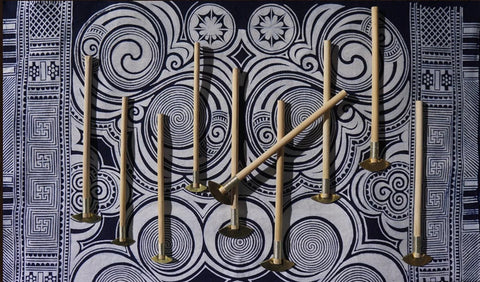
The tools hold the cloth flat, keep wax ready for drawing and help the artisan control the lines.
-
Wax Knife (Batik Pen):
Miao artisans use three sizes of wax knives,small, medium, and large,depending on the thickness of the lines they need. These tools have evolved over time, from simple bamboo versions to advanced ones with copper blades. The copper blades allow for smooth, controlled drawing as the wax flows through them. -
Needle Board:
This tool features a wooden board with needles embedded in it, used to create dotted patterns, especially for traditional Miao hairstyles in the designs. -
Wax Bowl:
A small iron bowl is used to melt the wax. The wax must be kept at just the right temperature,too hot or too cold, and it won't work properly. -
Wax Block:
A block of wax is used to fill the wax knife. The artist dips the wax knife into the molten wax, then "loads" it by moving it across the wax block before drawing. -
Heat Source:
A charcoal or coal stove gently melts the wax. Maintaining the right heat is critical, as overheated wax can lose its flexibility. -
Flat Boards:
Wooden or glass boards are used to lay the fabric flat, ensuring smooth lines during the drawing process. -
Dye Containers:
Large clay pots or wooden barrels hold the dye, allowing the fabric to be fully immersed during the dyeing process.
2. Materials Used in Miao Batik
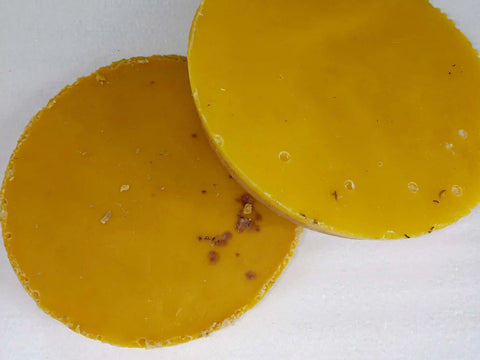
Wax, cloth and dye each have a role in the process. Materials and dye recipes can vary between workshops.
-
Wax:
- Beeswax: Traditionally the most common wax used, known for its flexibility and smooth application.
- Tree Wax: Extracted from the resin of specific trees, offering a different texture and finish.
- Paraffin Wax: A more modern and affordable option introduced in the 1960s.
-
Indigo Dye:
The deep blue color of Miao batik comes from indigo plants. There are three main types: large-leaf, round-leaf, and pointed-leaf. The large-leaf variety provides the richest color. -
Alkaline Additives:
Traditionally, wood ash was used to create an alkaline solution. Today, baking soda and other modern substitutes are often used. -
Herbal Additives:
Various herbs, including walnut leaves and yellow bark, enhance the dye's color and help it penetrate the fabric. -
Salt and Urea:
These are added to the dye to help fix the color and improve the evenness of the dyeing.
3. The Miao Batik Dyeing Process: Step by Step
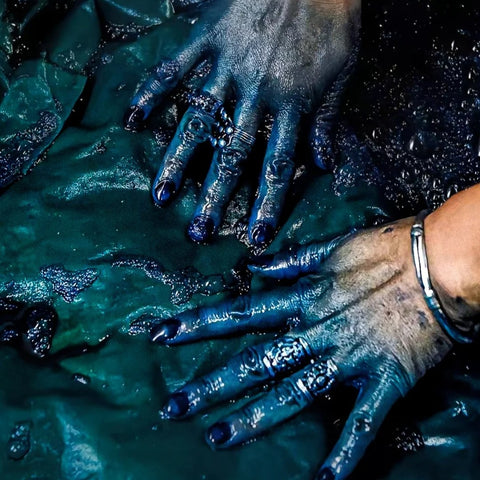
Drawing, dyeing and removing the wax each affect the finished pattern.
Step 1: Preparing the Indigo Dye
- Fresh indigo leaves and stems are soaked in water to release their pigment.
- The liquid is then filtered and mixed with lime water, which thickens and stabilizes the color.
- Herbs and alkaline additives are added to deepen the dye.
Step 2: Drawing with Wax
- The artisan uses the wax knife to draw detailed patterns on the fabric.
- The wax creates a resist, meaning the dye won't penetrate the areas covered by wax.
Step 3: Immersion in Dye
- The fabric is immersed in the indigo dye bath. Artisans must constantly move the fabric to ensure even coloring.
- Timing is important,too short, and the color will be faint; too long, and it may become too dark.
Step 4: Removing the Wax
- After dyeing, the fabric is boiled in water to remove the wax, revealing the detailed patterns underneath.
- The fabric is rinsed thoroughly to set the color and remove any excess dye.
4. Materials, Reuse and Workshop Practices
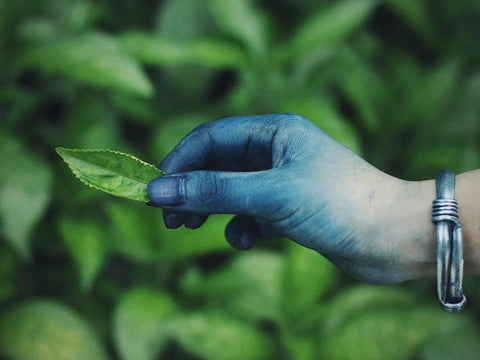
Materials and workshop practices vary. Natural ingredients alone do not establish the environmental impact of a finished textile.
- Reusable Resources: Leftover wax can be re-melted and reused, reducing waste.
- Environmental impact: This depends on the dyes, additives, water use and waste handling of the workshop; natural ingredients alone do not establish it.
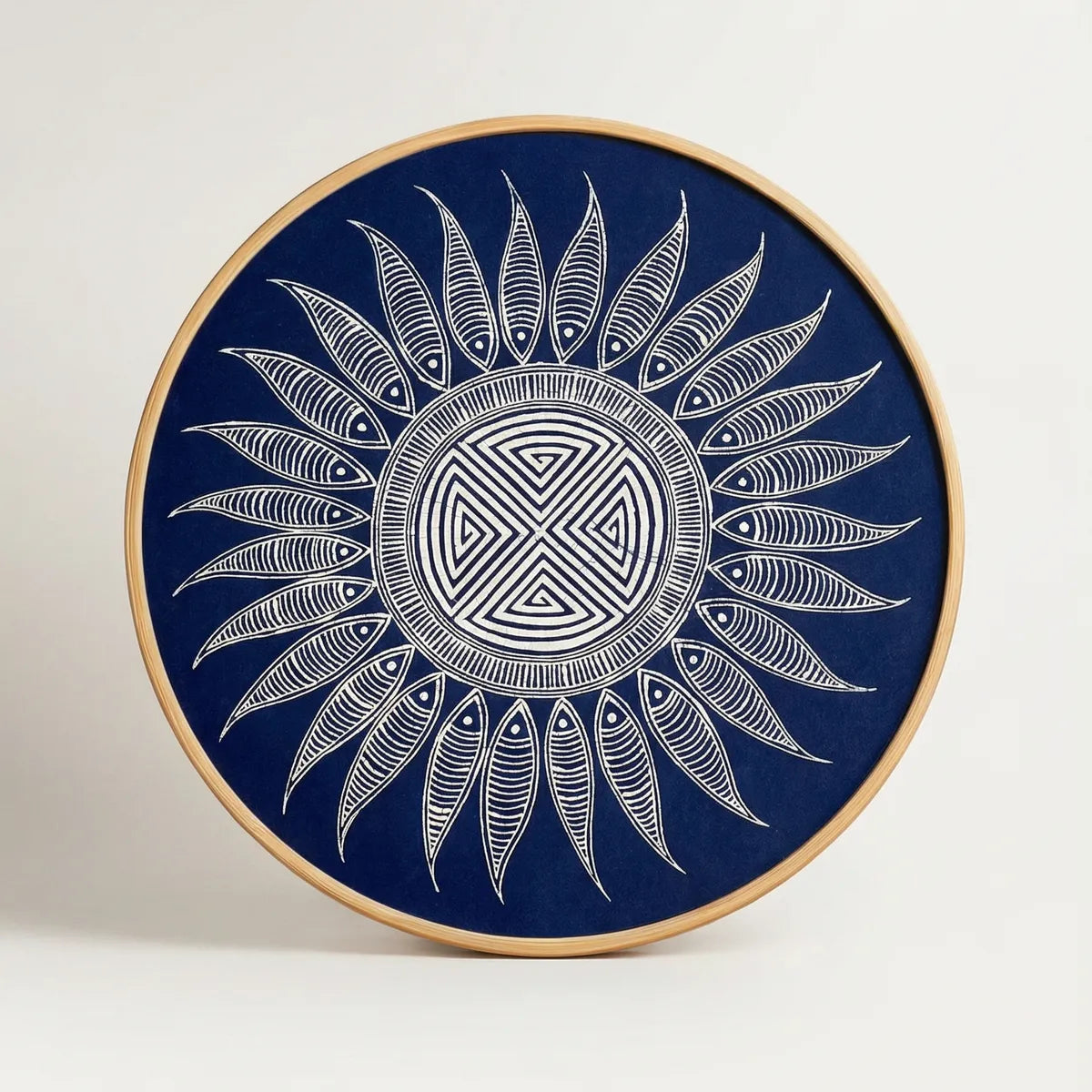
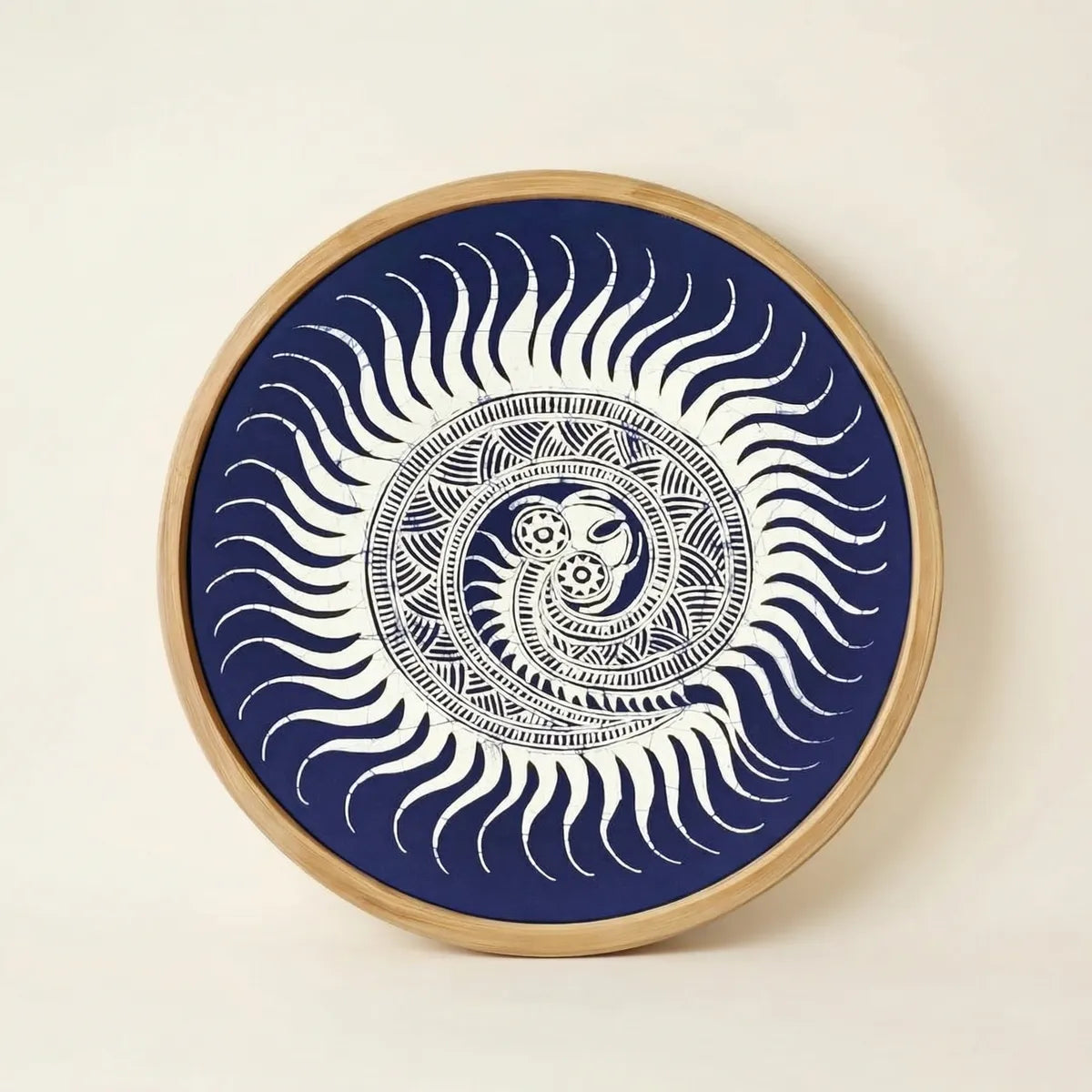
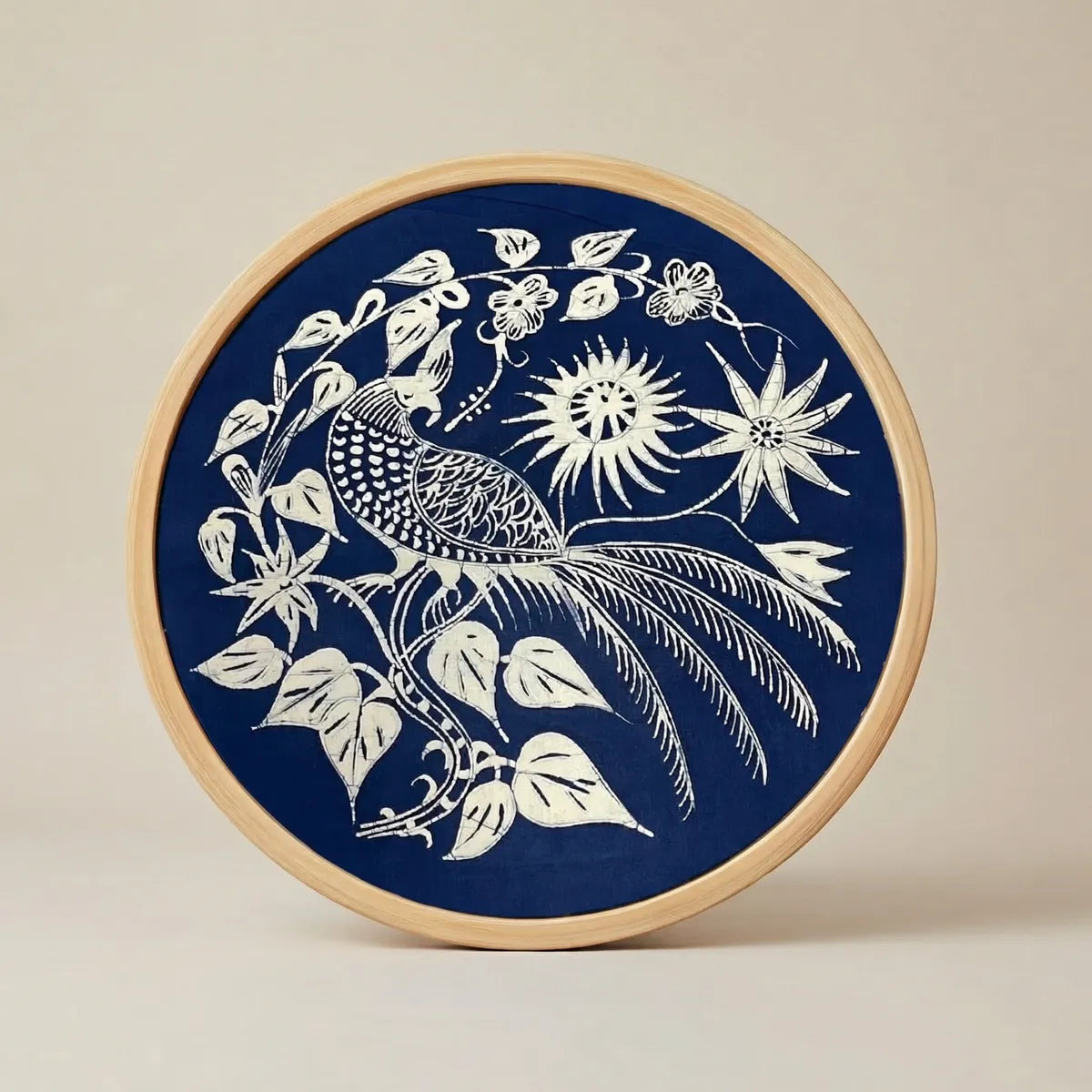
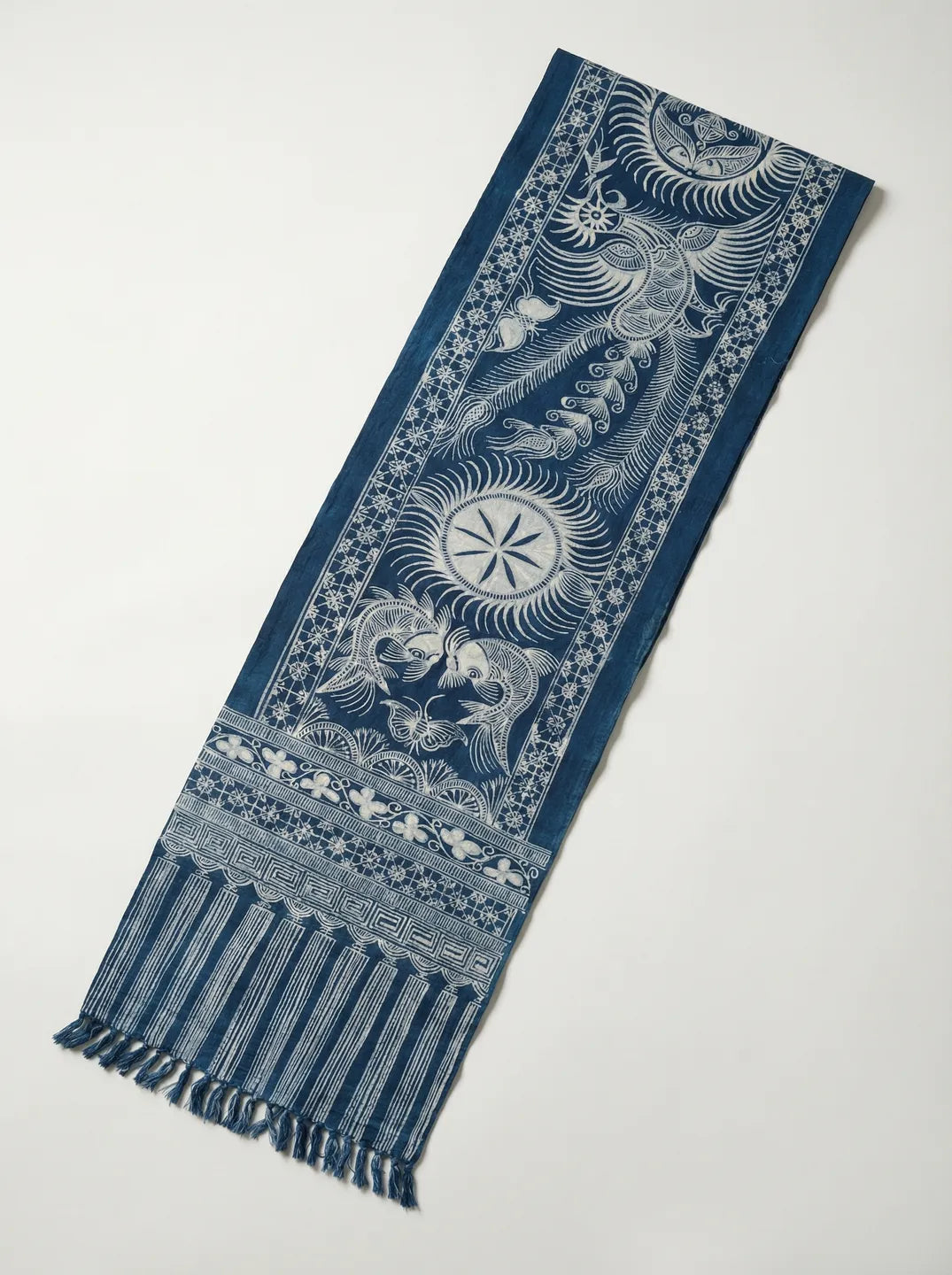
Look closely at the wax lines, indigo tones and motif placement to see details of the work.
The finished textile carries the marks of wax drawing and dyeing. Small differences in the lines and color are part of what you can compare when choosing a piece.
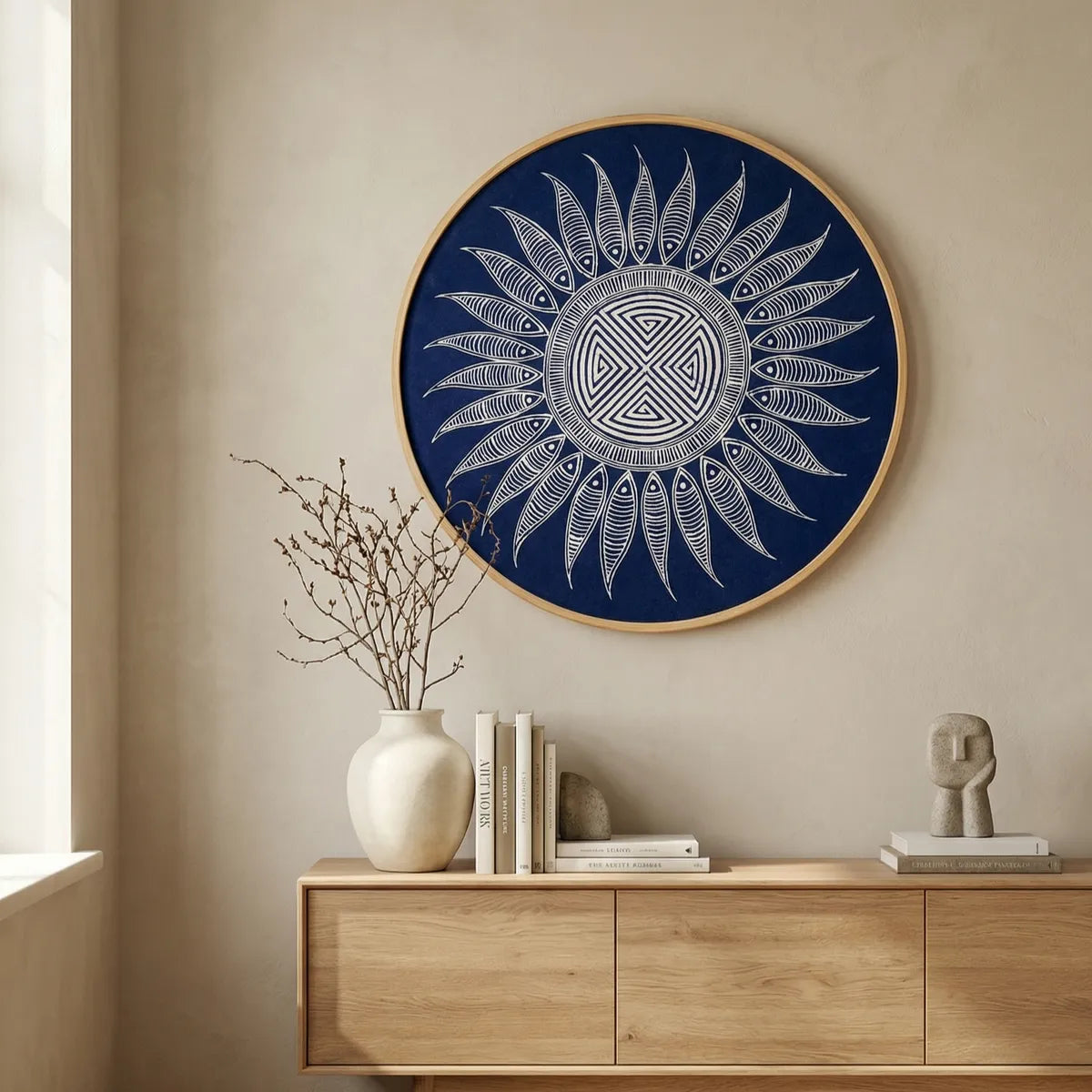
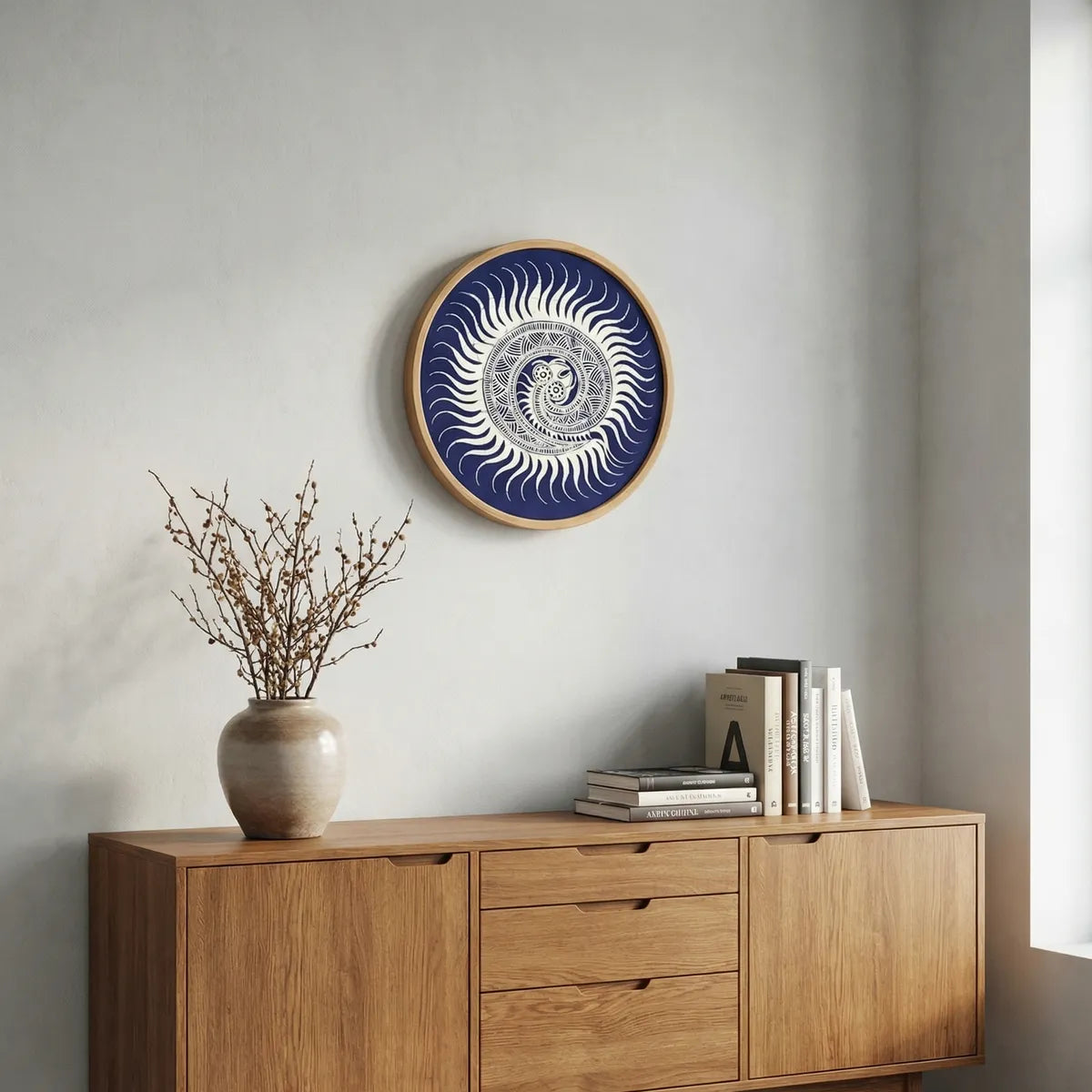
Explore our collection of Miao batik products and compare the motifs, dimensions and making details.
| Step | What happens | What can go wrong |
|---|---|---|
| Prepare cloth | Wash and flatten fabric | Wax may not bond well |
| Draw wax | Apply the pattern | Lines can break or spread |
| Dye | Dip cloth in indigo | Color may be too light |
| Remove wax | Reveal the pattern | Residue can remain |
Frequently asked questions
What tool is used for Miao batik?
A wax knife or batik pen is used to draw melted wax onto cloth.
Why does wax matter?
Wax blocks dye from entering the covered parts of the cloth.
Is the process beginner-friendly?
The basics are easy to understand, but clean wax control takes practice.