
Kurze Antwort
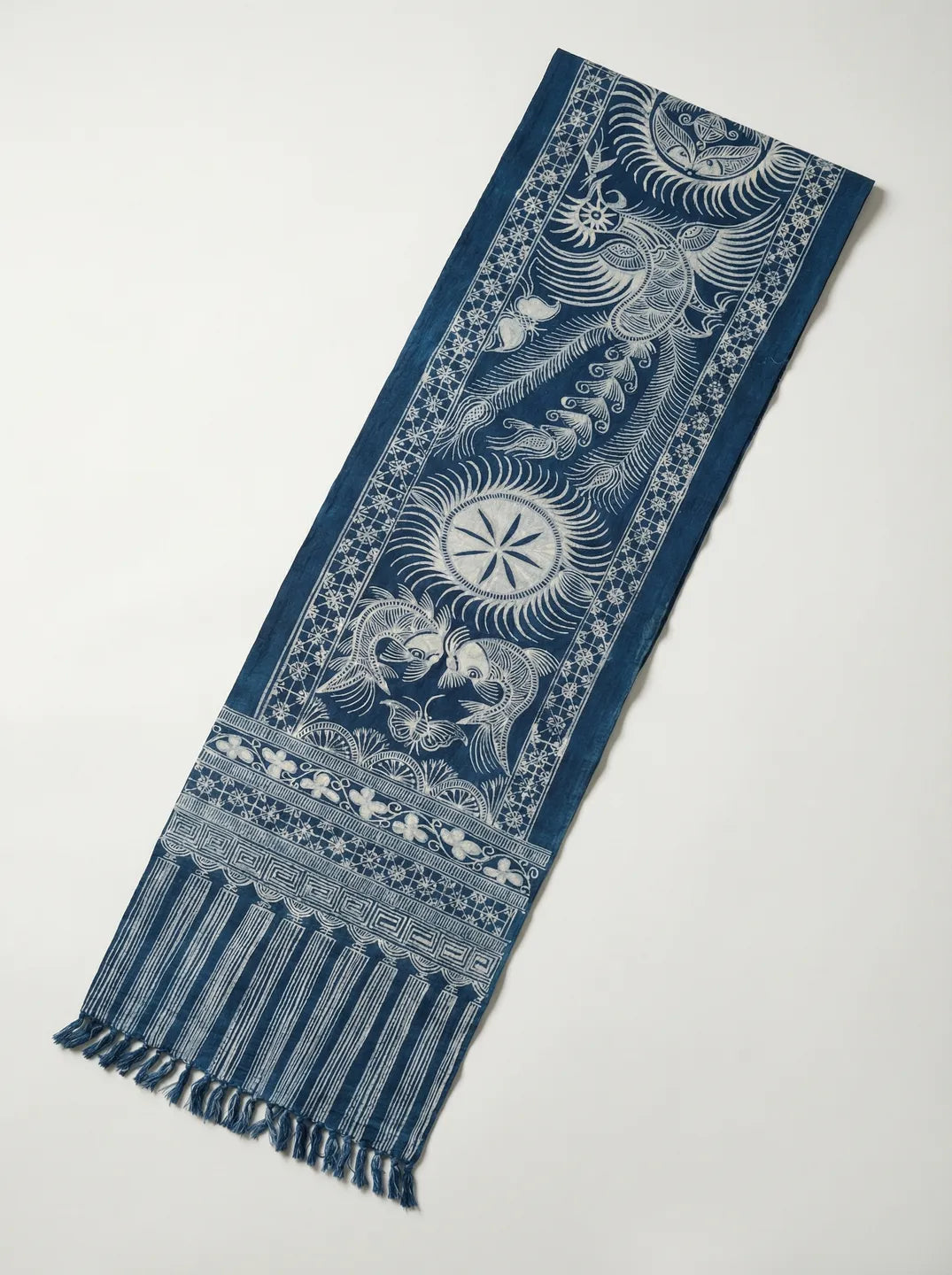
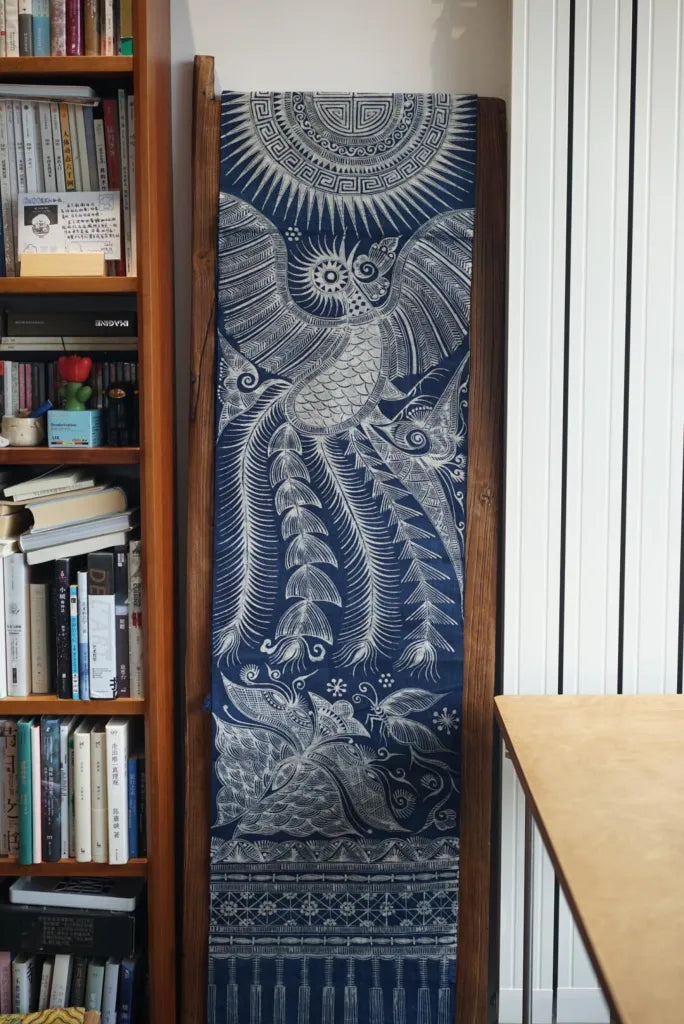
Ein Batik-Wachsmesser wird verwendet, um geschmolzenes Wachs vor dem Färben auf Stoff aufzutragen. Beim Miao-Batik schützt das Wachs die bedeckten Bereiche vor Indigofarbstoff, sodass die Linien, die Sie mit dem Messer zeichnen, nach dem Entfernen des Wachses das weiße Muster bilden.
Dieses Anfänger-Tutorial konzentriert sich auf die Kontrolle: wie man das Wachs erhitzt, wie man das Werkzeug hält, wie man seine ersten Linien zeichnet und wie man Fehler vermeidet, die frühe Batikversuche oft verschwommen aussehen lassen.
Was Sie vor dem Start benötigen
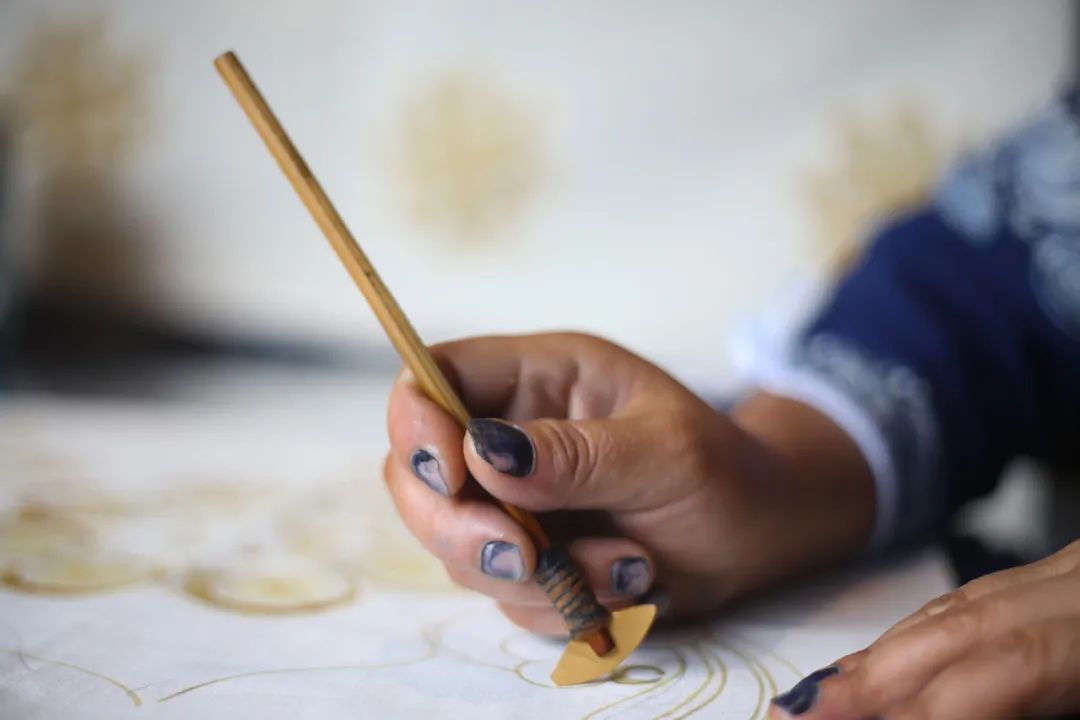
- Ein Miao-Batik-Wachsmesser oder ein kleines Wachszeichenwerkzeug
- Bienenwachs oder Batikwachs
- Sauberer Baumwoll- oder Hanfstoff
- Ein kleiner hitzebeständiger Wachstopf
- Indigofarbstoff oder eine vorbereitete Färbebad
- Papiertücher oder Stoffreste zum Testen des Wachsflusses
- Heißes Wasser zum Entfernen des Wachses
- Handschuhe, Schürze und ein gut belüfteter Arbeitsplatz
Wenn Sie Ihr erstes Werkzeug auswählen, lesen Sie vor dem Kauf Was ist ein Miao-Batikwerkzeug? Ein Anfänger benötigt meist mehr Kontrolle als Geschwindigkeit, daher ist ein kleineres Wachsreservoir oft einfacher zu handhaben.
Schritt 1: Bereiten Sie den Stoff vor
Waschen und trocknen Sie den Stoff vor dem Zeichnen. Neuer Stoff kann Schlichte oder Appreturmittel enthalten, die das saubere Binden des Wachses verhindern. Bügeln Sie den Stoff, wenn er zerknittert ist, und spannen Sie ihn dann flach auf einen Rahmen oder kleben Sie ihn auf eine feste Oberfläche.
Ein flacher Stoff macht einen großen Unterschied. Wenn der Stoff beim Zeichnen verrutscht, kann die Wachslinie springen, dicker werden oder brechen.

Schritt 2: Erhitzen Sie das Wachs auf die richtige Fließfähigkeit
Das Wachs sollte heiß genug sein, um durch das Messer zu fließen, aber nicht so heiß, dass es sich in den Stoff ausbreitet. Testen Sie das Wachs auf einem Stoffrest, bevor Sie Ihr endgültiges Stück berühren. Eine gute Linie sollte klar und leicht erhaben aussehen. Wenn es in Klumpen sitzt, ist das Wachs zu kühl. Wenn es schnell nach außen blutet, ist es zu heiß oder der Stoff ist zu locker.
Arbeiten Sie hier langsam. Die meisten Anfängerprobleme beginnen mit der Wachstemperatur, nicht mit der Zeichenfertigkeit.
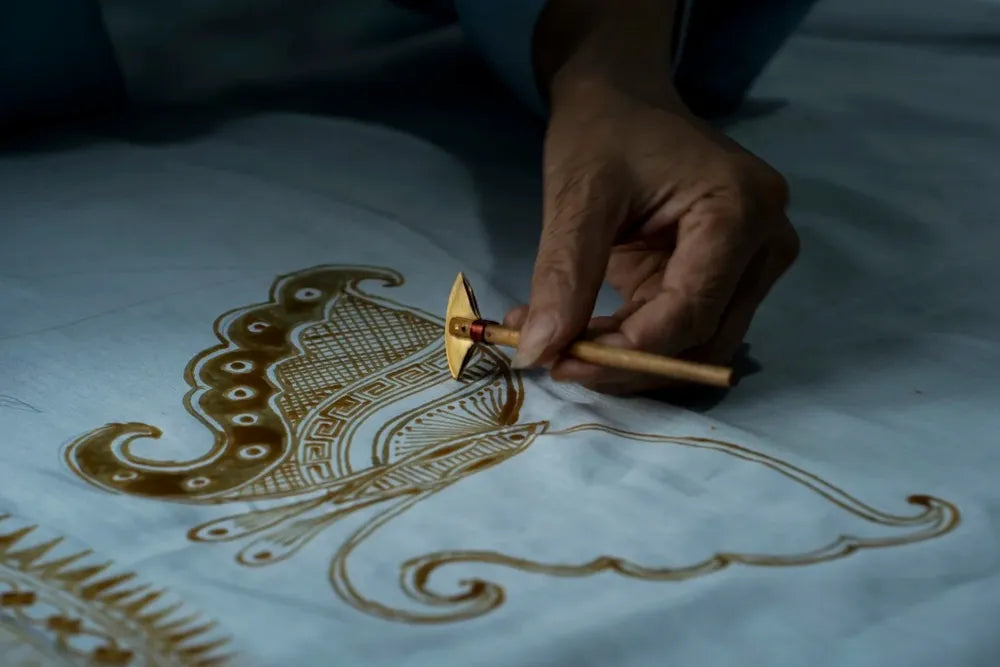
Schritt 3: Halten Sie das Wachsmesser wie ein Zeichenwerkzeug
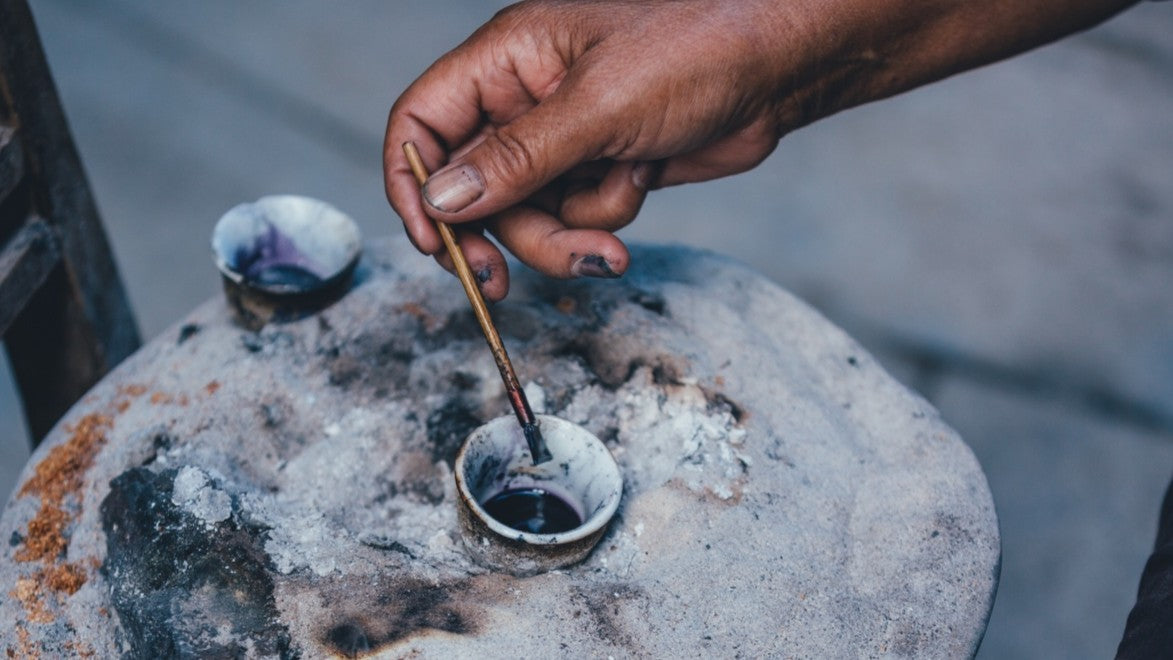
Halten Sie das Wachsmesser leicht schräg, damit das Wachs zur Spitze fließen kann. Halten Sie Ihr Handgelenk entspannt und bewegen Sie sich beim Zeichnen längerer Linien aus dem Arm. Für kleine Kurven verwenden Sie Finger und Handgelenk zusammen.
Beeilen Sie sich nicht, ein vollständiges Motiv zu zeichnen. Üben Sie zuerst gerade Linien, Punkte, Haken, Spiralen und kurze Kurven. Diese kleinen Markierungen sind die Bausteine vieler Miao-Batikmuster.
Schritt 4: Zeichnen Sie ein einfaches Muster
Wählen Sie für Ihr erstes Projekt einen Rand, ein Blatt, einen Fisch, einen Schmetterling oder eine einfache geometrische Wiederholung. Zeichnen Sie zuerst die Hauptform, dann fügen Sie innere Linien hinzu. Lassen Sie genügend Abstand zwischen den Linien, damit das Muster nach dem Färben noch klar erkennbar ist.
Wenn Sie gängige Symbole vor dem Zeichnen verstehen möchten, lesen Sie Die Bedeutung von Miao-Batikmustern. Sie müssen alte Motive nicht perfekt kopieren, aber das Wissen um ihren Hintergrund hilft Ihnen, sorgfältiger zu zeichnen.
Schritt 5: Färben Sie den Stoff mit Indigo
Sobald die Wachslinien trocken sind, legen Sie den Stoff in den Indigofarbstoff. Der freiliegende Stoff nimmt den Farbstoff auf, während die mit Wachs bedeckten Bereiche ihn abweisen. Für ein tieferes Blau benötigt der Stoff möglicherweise mehr als einen Tauchgang, mit Lufttrocknung zwischen den Tauchgängen, je nach der von Ihnen verwendeten Färbemethode.
Britannica beschreibt Batik als einen Reserveprozess: Wachs wird vor dem Färben aufgetragen, dann entfernt, damit das Muster sichtbar bleibt. Diese einfache Idee ist es, die die Wachszeichenphase so wichtig macht.
Schritt 6: Entfernen Sie das Wachs und veredeln Sie den Stoff
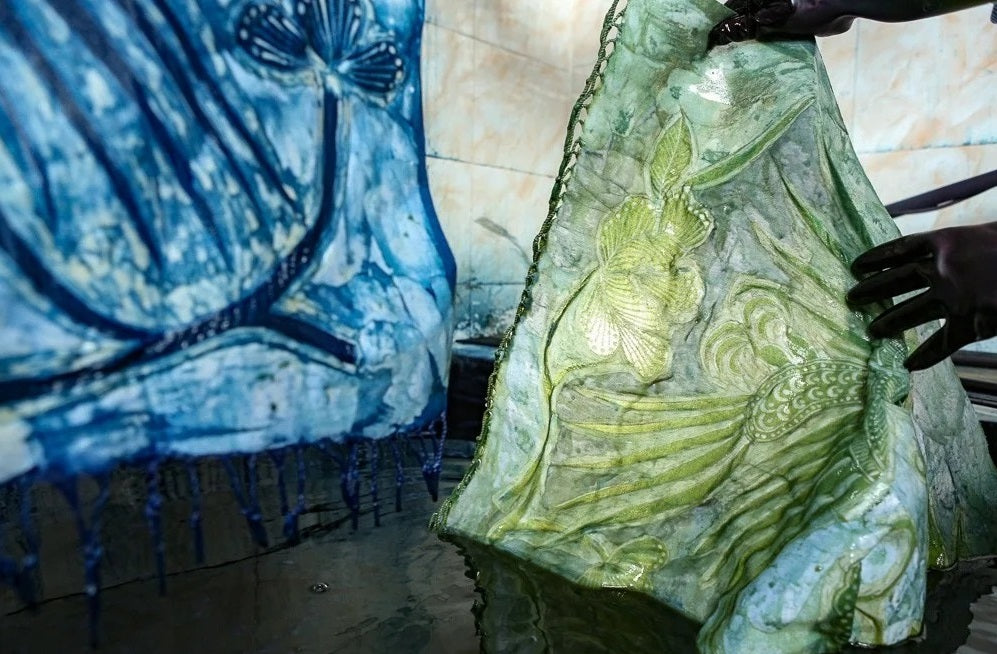
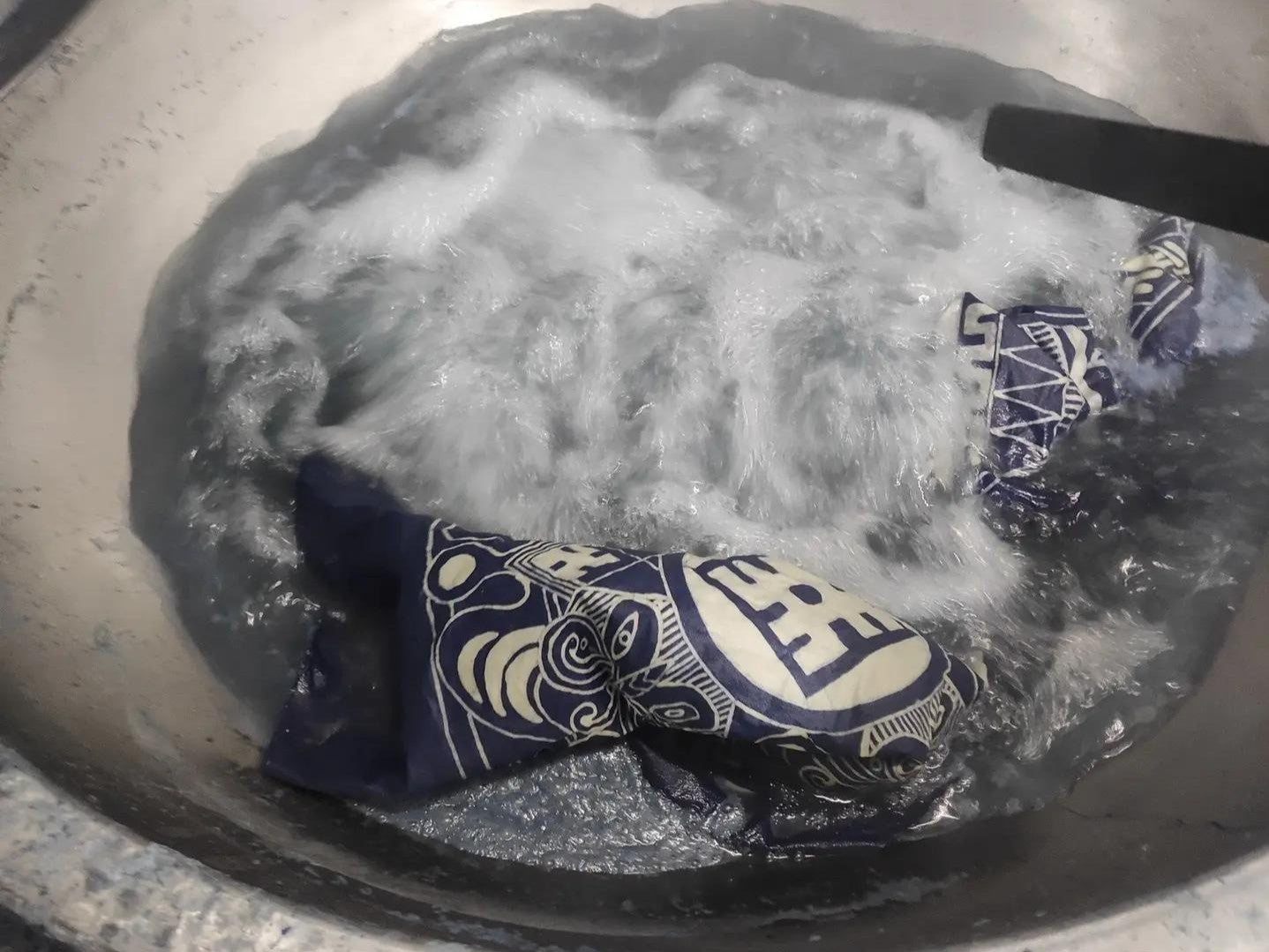
Nach dem Färben und Spülen entfernen Sie das Wachs mit heißem Wasser. Arbeiten Sie vorsichtig und wechseln Sie das Wasser, wenn es zu wachsartig wird. Wenn das Wachs entfernt ist, spülen Sie den Stoff erneut und lassen Sie ihn flach trocknen oder hängen Sie ihn fern von direkter starker Sonneneinstrahlung auf.
Einige Krakelspuren können an Stellen auftreten, an denen das Wachs während des Färbens gebrochen ist. Bei handgefertigtem Miao-Batik können diese Spuren Teil des Charakters des Stoffes sein. Wenn das gesamte Design unscharf aussieht, war das Wachs wahrscheinlich zu dünn, zu heiß oder nicht vollständig mit dem Stoff verbunden.
Häufige Anfängerfehler
| Problem | Wahrscheinliche Ursache | Behebung |
|---|---|---|
| Wachslinie reißt oft | Wachs ist zu kühl oder der Stoff bewegt sich | Das Wachs leicht wieder aufwärmen und den Stoff flacher spannen. |
| Linien verlaufen zu breit | Wachs ist zu heiß oder es wurde zu viel Wachs aufgetragen | Das Wachs etwas abkühlen lassen und zuerst auf einem Stoffrest testen. |
| Muster sieht überladen aus | Linien wurden zu dicht beieinander gezeichnet | Bei den ersten Projekten größere Abstände und einfachere Motive verwenden. |
| Farbstoff dringt in die weißen Bereiche ein | Wachs hat dem Farbstoff nicht vollständig widerstanden | Eine gleichmäßigere Wachslinie verwenden und prüfen, ob das Wachs die Stoffoberfläche erreicht. |
Anfänger-Übungsaufgabe
Zeichnen Sie ein 6 Zoll großes Quadrat auf Baumwollrest. Füllen Sie eine Seite mit geraden Linien, eine Seite mit Punkten, eine Seite mit Kurven und die Mitte mit einem einfachen Blatt oder Fisch. Färben Sie es, entfernen Sie das Wachs und prüfen Sie, welche Markierungen sauber geblieben sind. Dieser kleine Test lehrt mehr, als zu versuchen, am ersten Tag ein großes Wandstück fertigzustellen.
Wenn Sie bereit sind, von der Übung zum fertigen Werk überzugehen, stöbern Sie in den Miao-Batik-Wachsmessern oder vergleichen Sie fertige handgefertigte Stücke in der Miao-Batik-Kollektion.
Häufig gestellte Fragen
Können Anfänger ein Miao-Batik-Wachsmesser verwenden?
Ja. Anfänger können ein Miao-Batik-Wachsmesser verwenden, sollten aber vor dem Zeichnen eines endgültigen Designs die Wachstemperatur und die Linienkontrolle auf einem Stoffrest üben.
Welches Wachs ist am besten für die Miao-Batik-Praxis geeignet?
Viele Hersteller verwenden Bienenwachs oder Batikwachsmischungen. Die beste Wahl hängt von der gewünschten Linie und dem verwendeten Stoff ab. Beginnen Sie mit einem kleinen Test, da jedes Wachs beim Erhitzen anders reagiert.
Warum sind meine Batiklinien nach dem Färben unscharf geworden?
Unscharfe Linien bedeuten normalerweise, dass das Wachs zu heiß, zu dünn war oder nicht gut mit dem Stoff verbunden war. Waschen Sie den Stoff vor dem Zeichnen, halten Sie ihn flach und testen Sie den Wachsfluss, bevor Sie erneut beginnen.