Quick answer
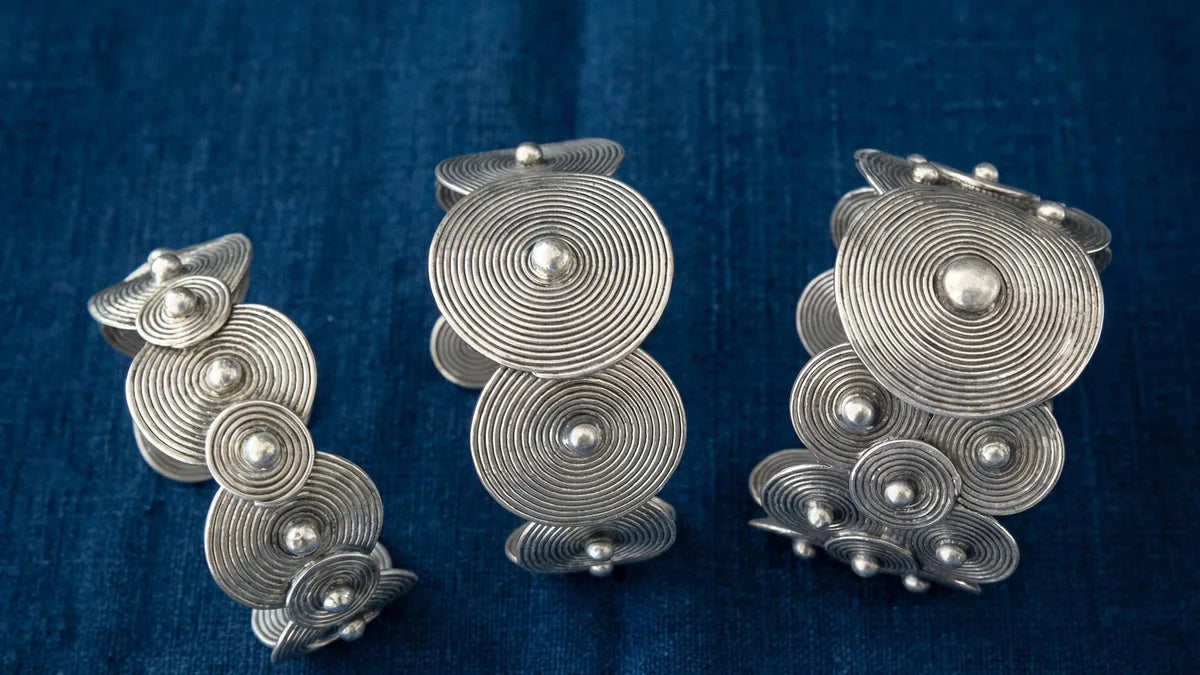
Miao silver is not 925 sterling silver. While sterling silver is an internationally standardized hallmark requiring 92.5% elemental silver, traditional Miao silver refers to a regional cultural jewelry craft originating in Guizhou, China. In the everyday commercial jewelry market, most ready-to-wear pieces are forged from a traditional white copper alloy (blending copper, zinc, and trace silver). Buyers choose Miao silver not for precious metal bullion weight, but for its distinctive handcrafting—including hand-hammered repoussé engravings, fine twisted filigree wirework, and an antique satin patina that machine-cast silver cannot replicate.
Material and silver content: Understanding the metallurgical facts
To make an informed purchase, it is helpful to distinguish clearly between a metallurgical purity hallmark and an artisanal craft tradition:
Sterling silver (925 Silver): Sterling silver is a strictly regulated international material standard. Any piece stamped with the "925" hallmark contains exactly 92.5% pure elemental silver and 7.5% alloy metals (almost always copper). This alloy ratio was standardized centuries ago to give pure silver (which is naturally very soft) enough hardness to hold structural shapes in cutlery and fine jewelry.
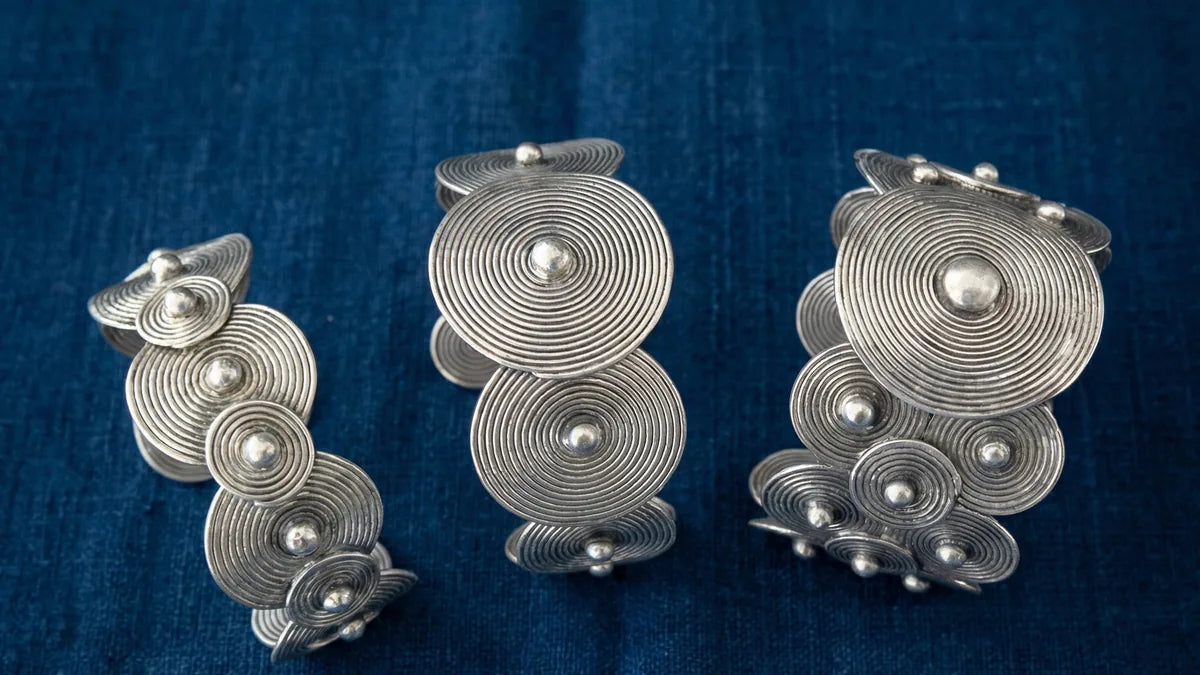
Miao silver (Traditional Jewelry Alloy): In historical anthropology, the Miao people melted silver coins into pure silver (999 or 990) for family wedding dowries. However, in the modern commercial artisan market, over 90% of Miao silver jewelry is crafted from traditional white copper alloy (known in Chinese metalcraft as Bai Tong / 白铜, blending copper, zinc, and silver tone). This alloy was developed by village smiths specifically because it possesses unique physical properties: high tensile ductility for drawing hair-thin wires, structural resilience against denting, and an accessible price point that allows elaborate multi-tier jewelry to be made without prohibitive raw material costs.
| Comparison Dimension | Traditional Miao Silver (Ready-to-Wear) | 925 Sterling Silver |
|---|---|---|
| Alloy Composition | Traditional white copper alloy (copper, zinc, trace silver) crafted for wire ductility. | Strict standard: 92.5% elemental silver + 7.5% copper. |
| Production Technique | 100% handcrafted through smelting, cold-hammering, wire drawing, and hand-chasing. | Predominantly industrial wax-tree casting and automated machine stamping. |
| Surface & Patina | Soft matte-satin sheen with subtle, warm antique oxidation. | High-gloss, cool, highly reflective modern mirror finish. |
| Weight & Wearability | Lightweight and spring-tempered; bold 4 cm cuffs weigh ~35g for effortless all-day wear. | Dense and heavy; an equivalent 4 cm solid sterling cuff weighs 80g+, causing wrist fatigue. |
| Value Base | Non-material cultural heritage value, artisan labor hours, and detailed tribal design. | Precious metal commodity weight and resale bullion value. |
Appearance and construction: Handwork vs industrial precision
The visual and tactile differences between sterling silver and Miao silver stem directly from how they are manufactured:
Sterling-silver jewelry found in modern retail stores is typically produced using precision industrial casting. Molten silver is injected into rubber molds on a casting tree, resulting in perfectly uniform, smooth, and repeatable surfaces. The finish is polished to a brilliant, mirror-like chrome shine.
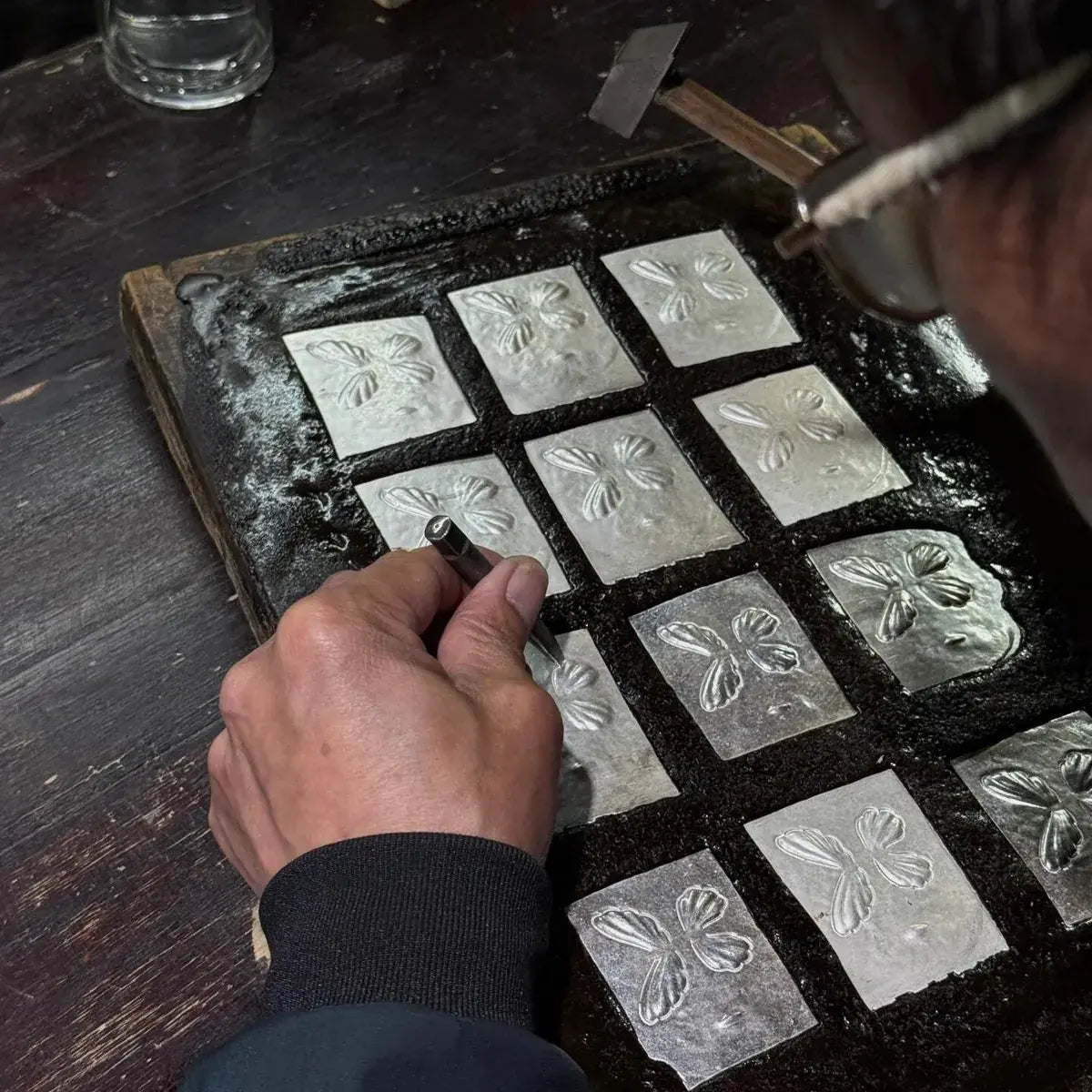
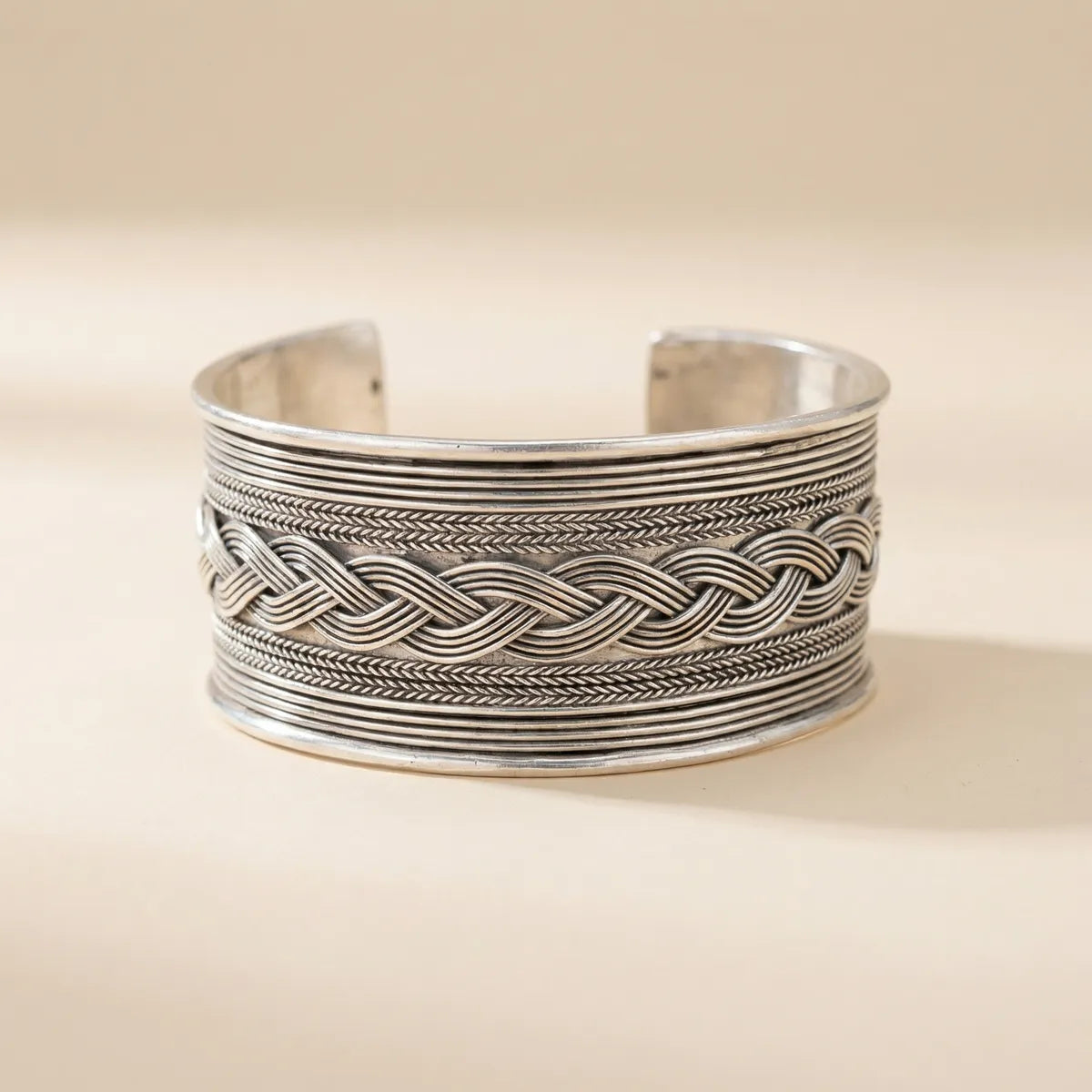
Authentic Miao silver, by contrast, celebrates visible human handcrafting. When you inspect a piece closely, you will see microscopic hammer facets, subtle organic asymmetries in the floral chasing, and hand-twisted filigree cords where two micro-wires were hand-rolled together before soldering. The surface is given an intentional oxidation bath followed by fine buffing, leaving shadowy depths in the engraved recesses that highlight the 3D relief.
Wearability and care: Daily comfort and maintenance
One of the greatest practical advantages of traditional Miao silver alloys is everyday ergonomics. In traditional Miao ceremonial attire, a complete festive costume can feature up to 10 kilograms of silver ornaments. To make large architectural statement pieces wearable for modern everyday life, the white copper alloy provides structural rigidity at roughly half the weight of solid silver.
This means you can wear a dramatic 4 cm wide cuff bracelet or a pair of cascading filigree tassel earrings to work, a gallery opening, or a dinner party without feeling weighed down. The metal retains just enough spring tension to allow open-cuff bracelets to be gently squeezed or widened to fit your wrist size perfectly without cracking.
Caring for your Miao silver:
- Daily cleaning: Simply wipe the surface with a dry microfiber cloth after wearing to remove perspiration and natural skin oils.
- Protecting the patina: Avoid liquid silver dip chemicals or abrasive polishing pastes, as these will strip away the intentional antique oxidation in the deep engravings.
- Storage: Store each piece in a dry cloth pouch or sealed ziplock bag when not in use to prevent surface friction with other jewelry.
Craft, symbolism, and value
Miao jewelry is closely connected to regional craft traditions, ceremonial dress, and decorative storytelling. This is what sets it apart from commodity-standard sterling silver. When you buy a sterling silver chain, you are buying a material at a known purity. When you buy a Miao silver bracelet, you are buying a specific craft tradition, a particular design vocabulary, and the work of human hands.
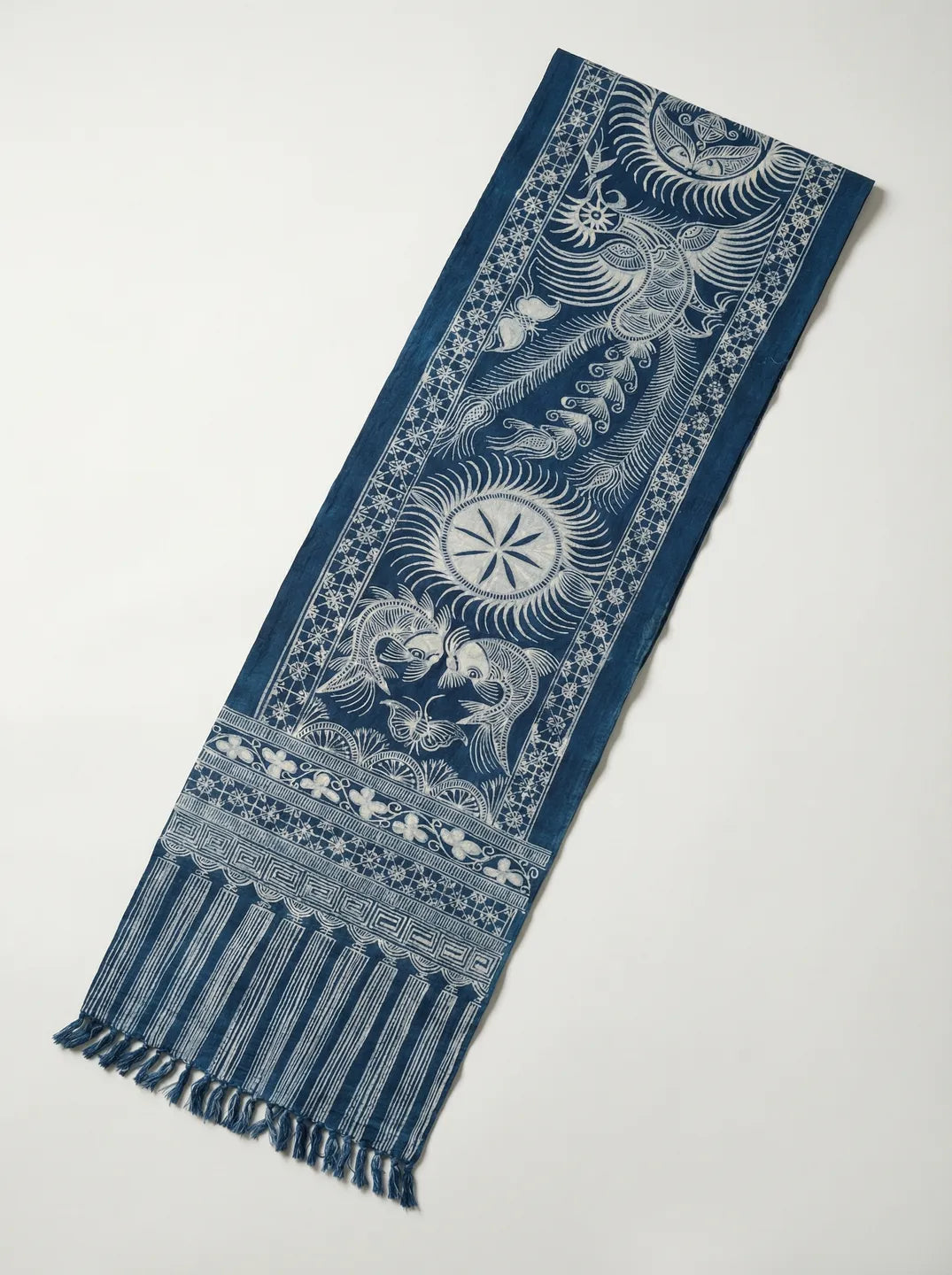
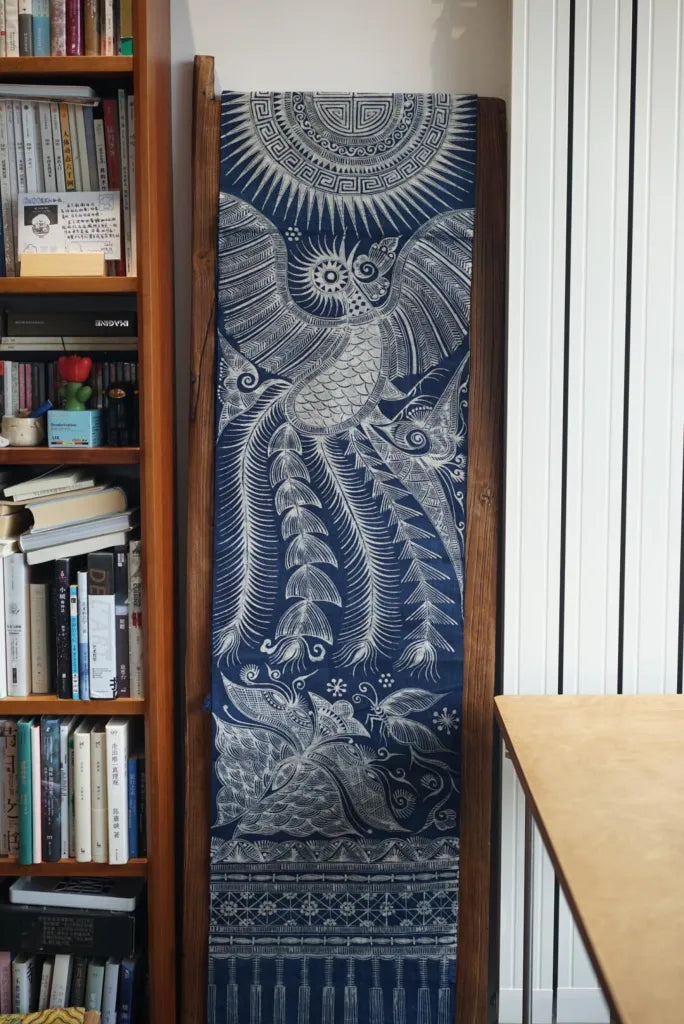
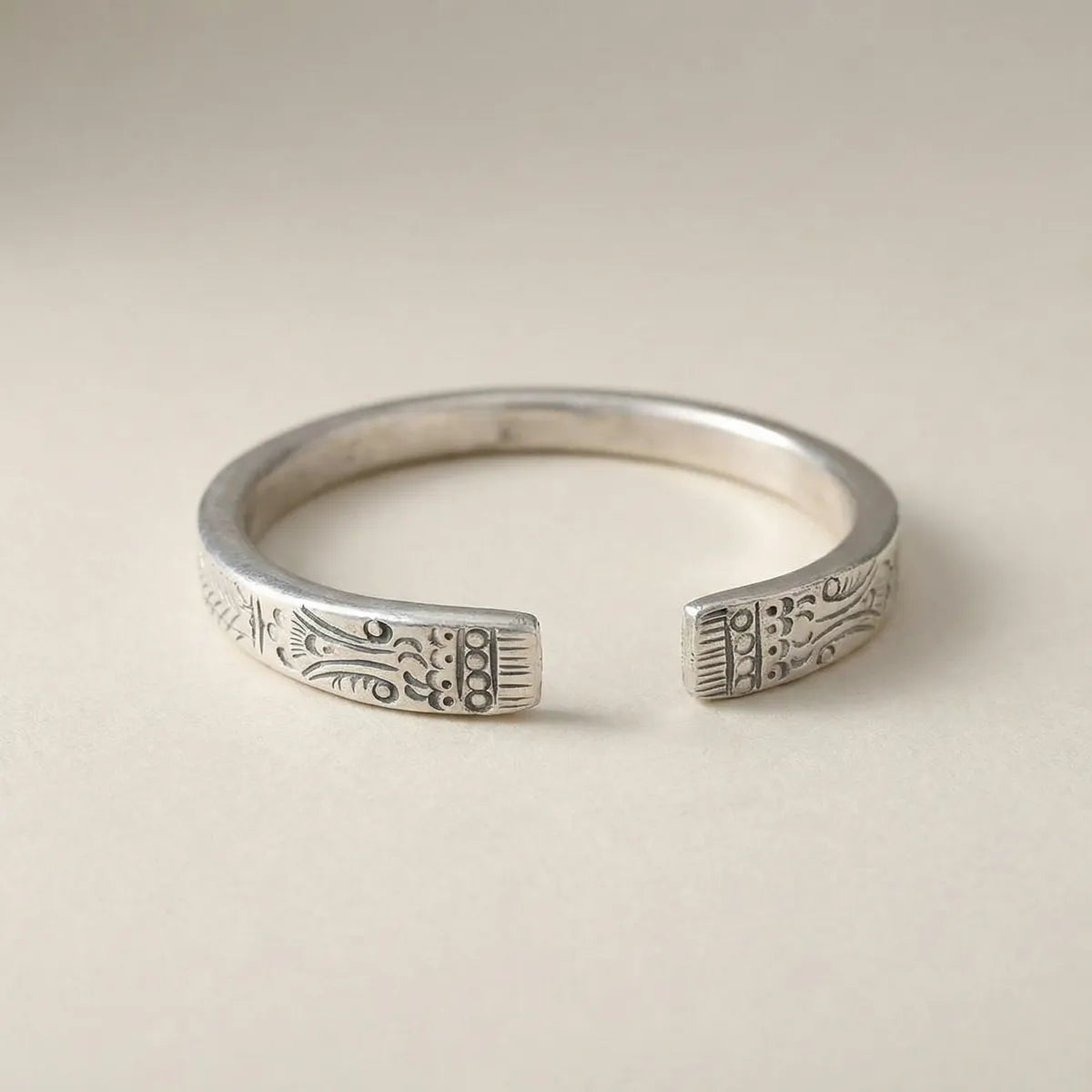
Common motifs include botanical vines (symbolizing growth and prosperity), circular bronze drum radiations (honoring the sun and ancestral festivals), mythical butterflies (representing the creation deity in Miao folklore), and water ripples (recalling the rivers and valleys traversed during historical migrations). These motifs are not random decoration—they carry oral history and community identity in a culture that traditionally did not use a written script.
Neither Miao silver nor sterling silver is automatically the better choice. They answer different buying needs. Sterling silver provides a recognized purity standard and predictable commodity value. Miao silver provides distinctive handcrafted character, cultural storytelling, and bold sculptural presence at an accessible price point. In both cases, always read the actual product material details rather than relying on the word "silver" alone.
Featured handcrafted statement silver
Explore these authentic handmade pieces from our artisan collection:
Featured Handcrafted Silver Jewelry
Which one should you choose?
Both materials have clear strengths depending on what you prioritize in your jewelry collection:
Choose 925 sterling silver if:
- You require a certified precious metal hallmark for resale or investment value.
- You prefer minimalist, high-polish modern jewelry with a bright, reflective shine.
- You are buying tiny stud earrings for hyper-sensitive, newly pierced skin.
Choose traditional Miao silver if:
- You love expressive, sculptural statement pieces that command attention and spark conversation.
- You appreciate the tactile beauty of human handcrafting, fine filigree, and hand-chased tribal motifs.
- You want large, wide cuff bracelets and cascading earrings that are lightweight and comfortable enough to wear all day.
- You want accessible, collector-worthy cultural art without paying exorbitant precious metal surcharges.
Frequently asked questions
What is the exact silver content in Miao jewelry?
Miao silver describes a regional jewelry craft style from southwest China. In the everyday commercial market, ready-to-wear pieces are forged from durable, lightweight white copper alloys rather than 925 sterling silver.
Does Miao silver mean 925?
No. The number 925 refers strictly to sterling silver purity standards. Miao silver is a craft category, and modern wearable pieces use traditional white copper alloys engineered for hand-shaping.
Can Miao silver be copper?
Yes. Most ready-to-wear Miao silver is forged from white copper alloy (a blend of copper, zinc, and nickel/silver tone), which provides strength and flexibility for delicate handcrafting.
How can I confirm the material before buying?
Read the product's material specifications carefully. Transparent sellers will clearly state whether a piece is made from traditional white copper alloy or 925 sterling silver.
Which is better for sensitive skin?
Neither label is enough to answer that safely on its own. Sterling silver (925) is generally hypoallergenic, but some people react to the copper content. White copper alloys vary by workshop. If you have a known sensitivity, check the exact material details for the specific piece you want, and ask the seller for clarification before purchasing.